
Who Should Take Supplements Experts Weigh In

A comprehensive review published in The New England Journal of Medicine explores why supplements are essential for some people but unnecessary or harmful for others. Dr. Lindsay H. Allen of the University of California, Davis, highlights the complexity of micronutrient needs, deficiencies, and when interventions are necessary, bringing clarity to a commonly misunderstood health topic.
Micronutrients—vitamins and trace minerals—are vital for health, but required in tiny amounts. Deficiencies in micronutrients like vitamin A, B12, D, iron, and zinc can cause serious diseases, including anemia, rickets, night blindness, and scurvy. Although acute deficiency symptoms are well documented, milder deficiencies without visible signs can also disrupt metabolism, gene expression, and immunity.
Key takeaway: Not everyone benefits from supplements. Routine supplementation for chronic disease prevention lacks solid evidence. Supplements should be targeted to at-risk groups, including:
In low- and middle-income countries (LMICs), where vitamin A, iron, and iodine deficiencies are common, supplementation and food fortification programs have proven essential for child and maternal health.
In high-income countries, fortified foods and diverse diets usually cover nutritional needs. Yet, oversupplementation poses risks:
Thus, indiscriminate supplementation may do more harm than good, particularly without clinical evidence of deficiency.
Detecting deficiencies isn’t straightforward:
Global impact:
However, multi-nutrient supplements, while promising, still require more evidence before becoming standard care, especially during pregnancy.
While micronutrient deficiencies remain a global health issue, universal supplementation isn’t the solution. Smarter, targeted strategies, guided by improved diagnostics and biomarkers, can ensure that those who truly need supplements receive them—avoiding overuse and unnecessary risks. Learn more nutrition insights.
More Information: Micronutrients — Assessment, Requirements, Deficiencies, and Interventions. Allen, L.H. The New England Journal of Medicine (2025). DOI: 10.1056/NEJMra2314150

 Women’s Healthcare Advances Through FemTech
Key Summary FemTech has grown from.
 Mazdutide Shows Significant Weight Loss in Phase 3 Trial
Key Summary Mazdutide, a dual GLP-1.
 Ozone Pollution Reduces Exercise Benefits in Children
Key Summary Vigorous physical activity supports.
 Walking 8,500 Steps May Prevent Weight Regain
Key Points A new meta-analysis presented.
 Hantavirus Cruise Ship Outbreak: WHO Issues Update
Key Points WHO confirmed a cluster.
 Autoimmune Diseases in Women Linked to Gene Regulation
Key Points Researchers identified more than.
 Nutrition Research: Why Context Matters for Healthy Foods
Quick Summary Foods do not have.
 Hyperemesis Gravidarum Genes: Largest GWAS Study
Quick Summary Largest GWAS identifies 10.
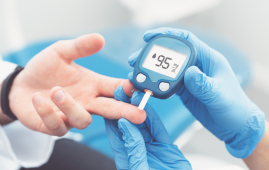 GLP-1 Drug Effectiveness Reduced by Genetic Variants
Key Points Summary Genetic variants in.
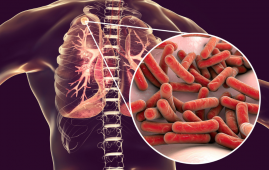 TB Vaccines Show Safety but Limited Protection in Large Trial
Key Highlights Two candidate Tuberculosis vaccines,.
Leave a Comment