
Arctic Vision of Shanghai and Japanese-based ActualEyes announced an exclusive licensing agreement for Arctic Vision to develop and commercialize ActualEyes’ lead product candidate, AE-101, for the treatment of corneal endothelial dysfunction in Greater China and South Korea.
Under the accord, ActualEyes may receive up to more than $35-million (U.S.), including an upfront payment, future regulatory milestones, and tiered royalties on net sales.
Corneal endothelial dysfunction is the result of severe endothelium damage caused by different pathologies, including Fuchs’ endothelial corneal dystrophy, pseudophakic bullous keratopathy, trauma, glaucoma and endothelial keratitis.
More than one million patients suffer from corneal endothelial dysfunction in China and in the most severe cases, the most effective treatment is corneal keratoplasty, a demanding and technically challenging procedure for surgeons.
AE-101 is a novel cell-injection therapy developed using cultured human corneal endothelial cells combined with a Rho-associated kinase inhibitor.
A study published in the New England Journal of Medicine and Ophthalmology led by ActualEyes’ scientific founders, Dr. Noriko Koizumi and Dr. Naoki Okumura, demonstrated that AE-101 can restore corneal endothelial function as well as vision, with no major treatment-relevant adverse reactions for up to five-years post-operation, which represents a paradigm shift in corneal regenerative medicine.
In a statement, Dr. Eddy Wu, founder and CEO of Arctic Vision, said China is a market with high prevalence of corneal diseases as well as huge unmet clinical need due to a shortage of donor corneas.
“The market potential is tremendous for more accessible therapies with greater safety and efficacy,” he added. “The licensing of AE-101 represents not only a corporate milestone of incorporating the first cell therapy in our pipeline, but also our commitment to an overall portfolio strategy aimed to discover and deliver breakthrough therapies for patients in China and Asia.”
Iku Sugioka, President and Chief Executive Officer of ActualEyes, said, “We look forward to collaborating with Arctic Vision to develop our lead clinical candidate AE-101. The potential benefits of cell therapy are significant for patients suffering from vision impairment or loss caused by corneal endothelial dysfunction.”
“From our previous research, AE-101 has great potential to provide a less invasive and more effective therapeutic modality compared to conventional surgical therapies.”
With the compelling track records of Arctic Vision’s management team in research and commercial fronts, we are confident that this partnership is the start of a long-term relationship to bring our novel AE-101 therapy to broader markets in Asia.”
The post New Licensing Pact Between ActualEyes & Arctic Vision appeared first on Ophthalmology Breaking News.

more recommended stories
 DNA Damage Response May Drive Biological Aging
Key Points Chronic DNA damage response.
 Psychedelic-Assisted Psychotherapy: Music in Treatment
Key Takeaways Psychedelic-assisted psychotherapy combines psychedelic.
 Cardiovascular Frailty Links Heart Health and Aging
Key Points Cardiovascular frailty may connect.
 Laser Blended Vision: Simple Test Predicts Success
Key Points A simple phoropter-based test.
 Rett Syndrome: Carotid Body Linked to Breathing Dysfunction
Key Points Rett syndrome is associated.
 Alzheimer’s Disease Blood Test Receives FDA Clearance
Key Points FDA clears PrecivityAD2, a.
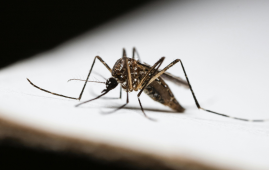 Malaria Vaccination Turns Mosquito Bites Into Immune Boosters
Key takeaways: WEHI researchers developed a.
 Pediatric Cancer Clinical Trial Participation: Key Barriers
Key Takeaways Black and Hispanic families.
 Tobacco Risk Awareness Stagnates Despite Global Efforts
Key Summary A global analysis of.
 Rapid-Acting Antidepressants Share Neuroimmune Pathways
Key Points Researchers identified common neuroimmune.
Leave a Comment