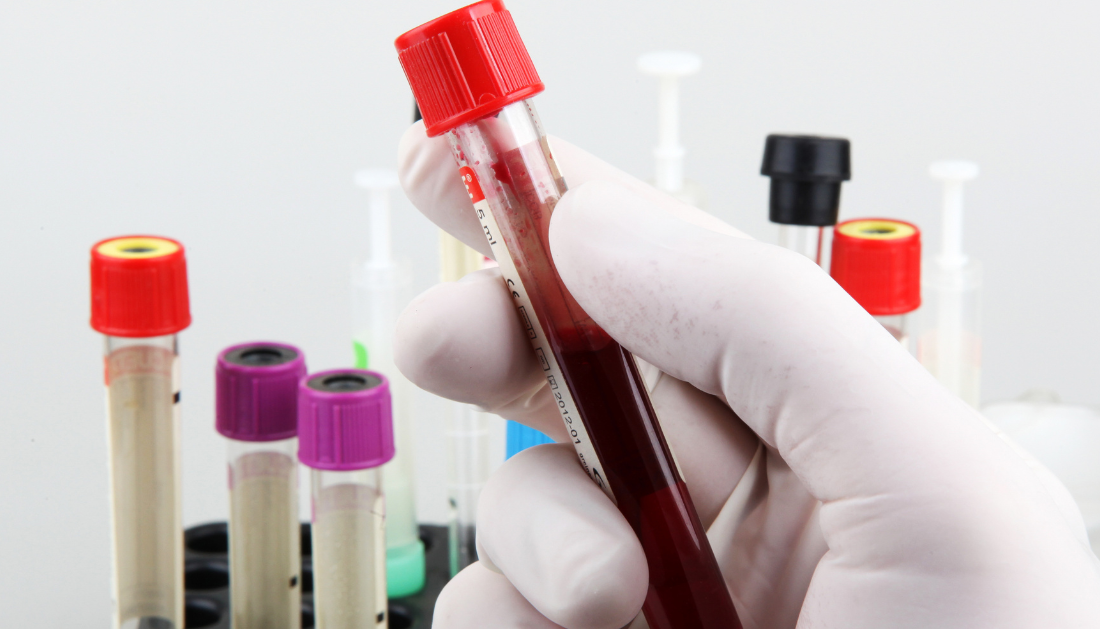
How Fast Are Your Organs Aging A Simple Blood Test May Tell

New research from University College London (UCL) reveals a groundbreaking blood test that can measure the biological aging of individual organs, helping predict disease risk decades in advance.
A study published in The Lancet Digital Health shows that different organs age at different rates within the same individual. Researchers found that accelerated aging in one organ can predict not only diseases affecting that organ but also a broad spectrum of conditions throughout the body.
Professor Mika Kivimaki, lead author from UCL Faculty of Brain Sciences, emphasized the potential of this discovery:
“Our organs function as an integrated system, but they can age differently. Identifying which organs are aging faster through a simple blood test could revolutionize preventive healthcare.”
The research analyzed blood samples from over 6,200 middle-aged adults, collected in the late 1990s as part of the Whitehall II study. The researchers assessed the biological age of nine organs—heart, blood vessels, liver, immune system, pancreas, kidneys, lungs, intestines, and the brain.
By tracking participants’ health for 20 years, scientists found that organ aging is a strong predictor of disease risk:
The findings highlight the potential of proteomic (protein-based) blood tests to assess organ aging early, allowing for targeted preventive measures. Unlike traditional biomarkers, which are analyzed individually, modern proteomic technology can assess thousands of proteins in a single test, making organ-specific aging assessments more efficient and precise.
Professor Kivimaki envisions a future where personalized medicine will leverage these insights:
“Blood tests could provide an early warning for disease risk, allowing individuals to take proactive steps to maintain organ health and reduce the risk of age-related illnesses.”
This study paves the way for more effective disease prevention, personalized treatment strategies, and improved long-term health outcomes.
More Information: Mika Kivimäki et al, Proteomic organ-specific ageing signatures and 20-year risk of age-related diseases: the Whitehall II observational cohort study, The Lancet Digital Health (2025). DOI: 10.1016/j.landig.2025.01.006

 Gamma Oscillations Restored in Alzheimer’s Disease Mice
Key takeaways Researchers restored parvalbumin (PV).
 Coffee Consumption Linked to Lower Recurrent VTE Risk
Key points at a glance Study.
 Long-Acting HIV Treatment May Help Drug-Resistant Cases
Key Takeaways A UCSF study found.
 Tirzepatide Weight Loss: Fat Mass and Muscle Findings
Key points Tirzepatide was associated with.
 Coffee and Gut Microbiome: Brewing and Metabolic Effects
Key Points Coffee contains caffeine, chlorogenic.
 Low-Dose Radiation Therapy Shows Promise in Early Knee OA
Key Points Low-dose radiation therapy was.
 GLP-1 Health Information: Quality, Completeness, & Engagement
Key Points A study assessed 128.
 DNA Damage Response May Drive Biological Aging
Key Points Chronic DNA damage response.
 Dietary Polyphenol Intake Associated With Lower MCI Odds
Key Points Older adults without mild.
 Psychedelic-Assisted Psychotherapy: Music in Treatment
Key Takeaways Psychedelic-assisted psychotherapy combines psychedelic.
Leave a Comment