
Alzheimer’s Research Identifies Glycosylation as Therapeutic Target

Alzheimer’s disease researchers are raising new questions about the safety of glucosamine supplementation after a major study identified a potential link between increased brain glycosylation and worsening cognitive outcomes. Published in Nature Metabolism, the study combines advanced brain tissue analysis, animal experiments, and real-world patient data to investigate how glycan metabolism may influence neurodegeneration.
Alzheimer’s disease remains one of the most challenging neurodegenerative disorders, characterized by progressive cognitive decline, neuronal loss, synaptic dysfunction, and neuroinflammation. While abnormal glucose metabolism has long been associated with disease progression, researchers are now focusing on glycosylation as another critical metabolic pathway.
Glycosylation is the biological process through which glycans, or complex carbohydrate molecules, attach to proteins and influence their stability and function. In the brain, proper glycosylation supports neuronal communication, synaptic plasticity, and immune signaling. However, abnormal glycosylation has been associated with amyloid-beta accumulation, tau aggregation, and neuroinflammatory responses.
Using spatial multiomics, isotope-tracing technologies, and post-mortem human brain tissue analysis, investigators identified significantly elevated N-glycan levels in both gray and white matter regions affected by Alzheimer’s disease. Notably, hyperglycosylation increased alongside disease severity, suggesting a potential role in disease progression.
The study found that increased glycan production was not merely a byproduct of neurodegeneration. When researchers genetically reduced the activity of glycosylation-related enzymes in Alzheimer’s mouse models, cognitive performance improved. These findings suggest that glycan dysregulation may directly contribute to memory impairment.
To evaluate the impact of dietary glucosamine, researchers administered the supplement to genetically modified 5xFAD mice, a widely used Alzheimer’s disease model. The intervention resulted in increased protein glycosylation and significantly worsened behavioral and memory deficits.
Interestingly, the cognitive decline occurred without measurable changes in amyloid plaques, tau pathology, or reactive astrocyte activity. This finding indicates that glycosylation may affect cognition through mechanisms beyond traditional Alzheimer’s disease hallmarks.
Investigators expanded their analysis to electronic health records of patients diagnosed with Alzheimer’s disease and related dementias (ADRD) or mild cognitive impairment (MCI). Approximately 8% of patients had documented glucosamine use.
After adjusting for age, sex, and demographic factors, glucosamine use was associated with a 25% increase in mortality risk over 10 years among patients with established dementia. Researchers also observed a 25% higher rate of progression from mild cognitive impairment to ADRD among glucosamine users.
Because the analysis was retrospective, the findings do not establish causation. Over-the-counter supplement use may be underreported, and residual confounding factors cannot be excluded.
The findings highlight glycosylation as a potential therapeutic target in Alzheimer’s disease and underscore the need for greater scrutiny of common dietary supplements in vulnerable patient populations.
For neurologists, geriatricians, primary care physicians, and dementia care teams, the study reinforces the importance of reviewing supplement use during patient assessments. While glucosamine remains widely used for joint health, its impact on patients with established dementia requires further investigation through well-designed, double-blind clinical trials.
Until prospective clinical evidence becomes available, healthcare professionals may consider discussing the emerging data with patients and caregivers when evaluating supplement use in dementia management.

 Brain-Computer Interface Uses EEG in Unresponsive Patients
Key findings at a glance Mind-controlled.
 Gamma Oscillations Restored in Alzheimer’s Disease Mice
Key takeaways Researchers restored parvalbumin (PV).
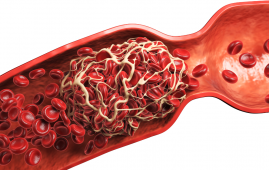 Coffee Consumption Linked to Lower Recurrent VTE Risk
Key points at a glance Study.
 Body Roundness Index Linked to Higher Heart Attack Risk
Key findings at a glance Study.
 Maternal Diet Fails to Reduce Infant Egg and Peanut Allergy
Key Points A large Australian randomized.
 Visual Impairment Linked to Higher Dementia Risk
Key findings at a glance A.
 Long-Acting HIV Treatment May Help Drug-Resistant Cases
Key Takeaways A UCSF study found.
 Epilepsy Drugs May Interact With Hormonal Contraceptives
Key points: Nearly one-third of people.
 Night Shift Work Alters Key Circadian Gene Expression
A recent study published in Frontiers.
 Tirzepatide Weight Loss: Fat Mass and Muscle Findings
Key points Tirzepatide was associated with.
Leave a Comment