
Inhaled Cannabis May Reduce Premature Heartbeats

Inhaled cannabis was associated with a modest reduction in premature heartbeats among habitual users in a randomized crossover study led by researchers at the University of California, San Francisco (UCSF). The findings add complexity to the evidence surrounding cannabis and cardiovascular health and highlight why randomized research can produce results that differ from observational data.
The study included 108 adults who regularly smoked or vaped cannabis and had no clinically diagnosed cardiac arrhythmias. Participants alternated between cannabis use and abstinence days over 14 days while wearing continuous ECG, activity, sleep, and glucose monitors. The case-crossover approach allowed researchers to compare each participant with themselves, reducing the influence of individual differences.
The researchers observed a statistically significant reduction in cardiac ectopy, driven primarily by fewer premature atrial contractions (PACs). No significant difference emerged in premature ventricular contractions (PVCs).
PACs are early heartbeats originating in the atria and are common in clinical practice. Their frequency can provide information about future atrial fibrillation risk, while PVC burden has been associated with ventricular dysfunction and heart failure risk. The trial’s continuous ECG monitoring allowed investigators to capture these rhythm changes in real time rather than relying on medical records or participant recall.
Researchers also found no significant differences in daily activity, sleep duration, or glucose levels between cannabis-use and abstinence days. The study was designed to examine short-term physiological effects, not long-term cardiovascular outcomes.
The results should not be interpreted as evidence that cannabis protects the heart or reduces arrhythmia risk. Instead, they raise questions about the biological mechanisms that influence premature atrial contractions and demonstrate the value of controlled research into cannabis use and heart rhythm.
For cardiologists, nurses, and other healthcare professionals, the findings reinforce the importance of separating acute physiological observations from long-term clinical outcomes. The UCSF MARY-JANE trial was specifically designed to assess whether inhaled cannabis changes the frequency of premature atrial and ventricular contractions; its broader cardiovascular implications require further investigation.

 Gamma Oscillations Restored in Alzheimer’s Disease Mice
Key takeaways Researchers restored parvalbumin (PV).
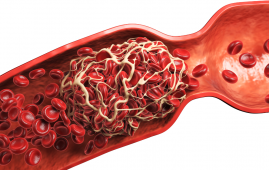 Coffee Consumption Linked to Lower Recurrent VTE Risk
Key points at a glance Study.
 Body Roundness Index Linked to Higher Heart Attack Risk
Key findings at a glance Study.
 Maternal Diet Fails to Reduce Infant Egg and Peanut Allergy
Key Points A large Australian randomized.
 Visual Impairment Linked to Higher Dementia Risk
Key findings at a glance A.
 Long-Acting HIV Treatment May Help Drug-Resistant Cases
Key Takeaways A UCSF study found.
 Night Shift Work Alters Key Circadian Gene Expression
A recent study published in Frontiers.
 Tirzepatide Weight Loss: Fat Mass and Muscle Findings
Key points Tirzepatide was associated with.
 Coffee and Gut Microbiome: Brewing and Metabolic Effects
Key Points Coffee contains caffeine, chlorogenic.
 Low-Dose Radiation Therapy Shows Promise in Early Knee OA
Key Points Low-dose radiation therapy was.
Leave a Comment