
Night Shift Work Associated With Circadian Gene Changes

A recent study published in Frontiers in Endocrinology found that night shift work was associated with distinct changes in circadian gene expression among female healthcare workers (HCWs). The findings suggest that prolonged night-shift work may alter molecular pathways involved in the body’s internal clock.
Circadian rhythms coordinate hormone signaling, metabolism, immune activity, sleep, and gene expression with the light-dark cycle. Repeated work during the biological night can disrupt this timing, particularly when workers experience artificial light exposure and irregular sleep schedules.
Researchers evaluated 93 female HCWs aged 37–66 years, including 47 day-shift workers and 46 night-shift workers. Night work included at least three hours between midnight and 5:00 a.m., with participants maintaining their respective schedules for at least six months.
Morning fasting blood samples were analyzed for several circadian clock genes, including CLOCK, TEF, PER1, PER3, and YY1.
Night-shift workers had significantly lower peripheral expression of CLOCK, TEF, and PER1 compared with day-shift workers, while PER3 did not show a significant difference. A combined Clock Gene Expression Score was also lower among night-shift workers.
TEF showed the clearest ability to distinguish night-shift workers from day-shift workers, followed by PER1 and CLOCK. Researchers also found that longer night-shift exposure was associated with lower CLOCK and TEF expression, while greater cumulative exposure was associated with lower TEF expression.
YY1 expression was also lower among night-shift workers, particularly among those with longer-term or higher cumulative exposure. Sleep duration showed positive associations with TEF and the combined gene-expression score, while sleep dissatisfaction showed negative associations.
These findings suggest that chronic circadian disruption may influence relationships among peripheral clock genes rather than affecting individual genes in isolation.
The study provides a molecular perspective on the effects of prolonged night shift work among female HCWs. However, its cross-sectional design cannot establish whether night shifts caused the observed gene-expression changes.
Researchers did not directly measure circadian phase, and peripheral blood expression may not represent circadian activity in other tissues. The relatively small sample and lack of independent validation also limit the findings.
Importantly, the study does not show that these gene changes cause cancer or other diseases. The researchers noted that the changes could reflect either biological disruption or a compensatory response to repeated circadian stress.
For clinicians and occupational health professionals, the findings reinforce the need for longitudinal research examining whether circadian gene changes persist, reverse after schedule changes, or relate to measurable health outcomes among long-term night-shift workers.

 EEG Monitoring for Cybersickness: New Study Findings
Key takeaways Researchers at the University.
 Brain-Computer Interface Uses EEG in Unresponsive Patients
Key findings at a glance Mind-controlled.
 Gamma Oscillations Restored in Alzheimer’s Disease Mice
Key takeaways Researchers restored parvalbumin (PV).
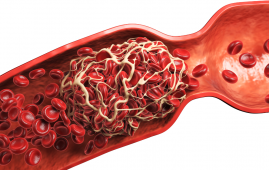 Coffee Consumption Linked to Lower Recurrent VTE Risk
Key points at a glance Study.
 Body Roundness Index Linked to Higher Heart Attack Risk
Key findings at a glance Study.
 Maternal Diet Fails to Reduce Infant Egg and Peanut Allergy
Key Points A large Australian randomized.
 Visual Impairment Linked to Higher Dementia Risk
Key findings at a glance A.
 Long-Acting HIV Treatment May Help Drug-Resistant Cases
Key Takeaways A UCSF study found.
 Epilepsy Drugs May Interact With Hormonal Contraceptives
Key points: Nearly one-third of people.
 Tirzepatide Weight Loss: Fat Mass and Muscle Findings
Key points Tirzepatide was associated with.
Leave a Comment