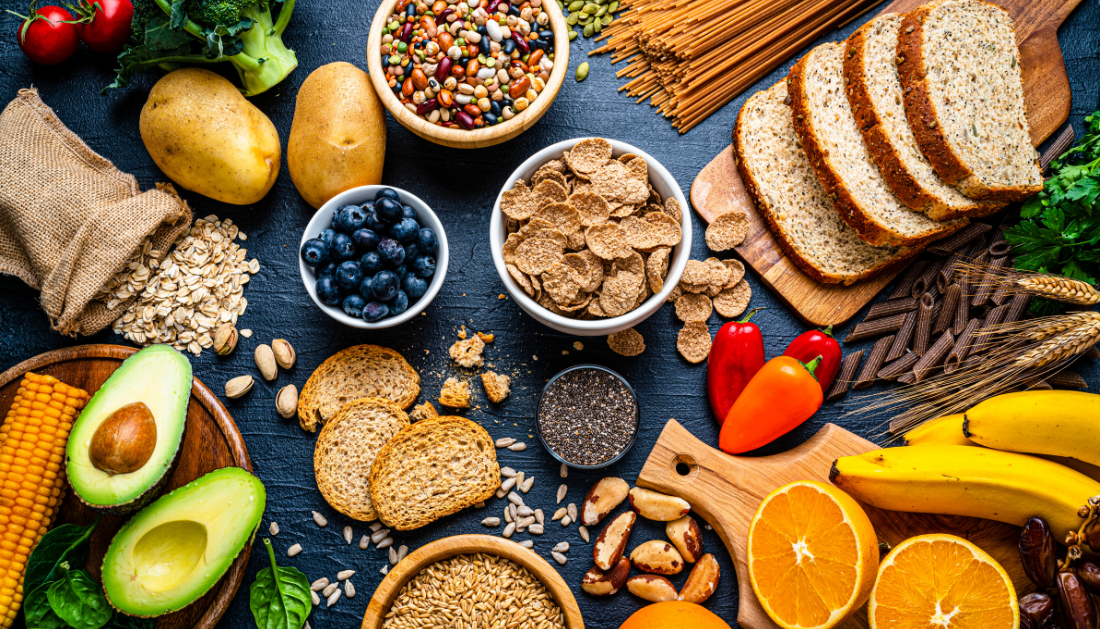
Dietary Polyphenol Intake Associated With Lower MCI Odds

Dietary polyphenol intake was associated with a lower likelihood of mild cognitive impairment (MCI) in older adults attending a memory clinic, according to a cross-sectional study published in Antioxidants. Researchers also identified associations between several polyphenol subclasses, individual compounds, and measures of cognitive performance.
The study included 92 adults aged 65 years or older who attended the Geriatrics Unit at the IRCCS Oasi Research Institute in Troina, Italy. Participants had subjective memory complaints and diagnoses ranging from subjective cognitive decline to MCI and mild vascular cognitive impairment.
Researchers assessed habitual dietary intake using a validated 110-item food frequency questionnaire and estimated polyphenol consumption using the Phenol-Explorer database. Cognitive function was evaluated with the Mini-Mental State Examination (MMSE) and Montreal Cognitive Assessment (MoCA).
Participants without MCI reported higher total dietary polyphenol intake than those with MCI. They also reported higher consumption of several subclasses, including flavonoids, anthocyanins, flavanones, flavones, hydroxycinnamic acids, and lignans.
After adjustment for energy intake, age, sex, education, and smoking status, participants in the highest intake groups for total polyphenols, flavonoids, and lignans had lower odds of MCI than those in the lowest intake groups. Flavones showed the strongest inverse association among the flavonoid subclasses.
Researchers also examined individual dietary polyphenols. Participants without MCI reported higher intake of compounds such as hesperetin, naringenin, quercetin, lariciresinol, secoisolariciresinol, matairesinol, and pinoresinol.
Several polyphenol subclasses, including anthocyanins, flavonols, flavanones, and hesperetin, showed modest correlations with MMSE scores. MoCA scores also showed positive correlations with some flavanones, flavones, lignans, and individual compounds.
The study further examined inflammatory biomarkers, including TGF-β1 and TNF-α. Among participants with MCI, a higher TGF-β1/TNF-α ratio correlated with lower MMSE and MoCA scores. However, total dietary polyphenol intake did not show a significant association with inflammatory biomarkers.
The findings suggest that habitual dietary polyphenol intake may be associated with cognitive status in older adults with memory complaints. However, the researchers did not establish that polyphenols prevent MCI or directly improve cognitive function.
The study’s cross-sectional design, small sample size, dietary recall limitations, residual confounding, single-time-point biomarker measurements, and lack of correction for multiple comparisons limit interpretation. Reverse causation also remains possible because cognitive status could influence dietary habits.
Longitudinal studies and randomized clinical trials are needed to determine whether specific dietary polyphenols influence cognitive decline and to clarify potential mechanisms involving neuroinflammation, vascular function, mitochondrial activity, and the gut-brain axis.

 Epilepsy Drugs May Interact With Hormonal Contraceptives
Key points: Nearly one-third of people.
 Night Shift Work Alters Key Circadian Gene Expression
A recent study published in Frontiers.
 Tirzepatide Weight Loss: Fat Mass and Muscle Findings
Key points Tirzepatide was associated with.
 Pink Noise Boosts Brain Waste Clearance During Sleep
Key Points Pink noise delivered during.
 Smoking and Loneliness Linked in Large European Study
Key points: A Europe-wide study of.
 Maternal Illness Linked to Epigenetic Fetal Brain Changes
Maternal illness during pregnancy may influence.
 Rett Syndrome: Carotid Body Linked to Breathing Dysfunction
Key Points Rett syndrome is associated.
 Alzheimer’s Disease Blood Test Receives FDA Clearance
Key Points FDA clears PrecivityAD2, a.
 Childhood Epilepsy Linked to Lower Educational Achievement
Key Takeaways Childhood epilepsy was associated.
 Laser Treatment for Glioblastoma Shows Survival Benefit
Key Points A multicenter analysis of.
Leave a Comment