

Author: Omkar Sai Niranjan Turlapati

Medical Blog Writer, Content & Marketing Specialist

WordPress Tags Pediatric Stroke, Childhood Stroke, Pediatric Neurology, Hemorrhagic Stroke, Ischemic Stroke, Stroke Epidemiology, Adolescent Stroke, Global Disease Burden, Stroke Prevention, Pediatric Rehabilitation, Child Health, Neurological Disorders, Global Health, stroke-related DALYs, pediatric stroke risk factors, adolescent stroke incidence, pediatric stroke prevention, pediatric stroke rehabilitation, pediatric neurology
Pediatric Stroke Burden Remains High Despite Falling Mortality

Key Findings at a Glance Approximately 2.7 million children and adolescents lived with stroke worldwide.
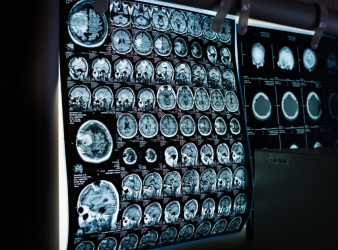
Brain Development, Copy Number Variants, Neuronal Development, Genomic Integrity, Synaptic Pruning, Neurodevelopmental Disorders, Autism Research, Neuroscience, Neurology, Neuronal Cell Death, Harvard Medical School, Boston Children's Hospital, Nature Study, Epilepsy Research, Alzheimer's Disease, neuron elimination, synaptic connections, neuronal cell death, prenatal brain development, genetic abnormalities in neurons, neuroscience research, Alzheimer's disease research
Brain Development Research Offers Clues to Autism

Key takeaways Up to 46% of neurons in the developing brain carry multiple copy number.
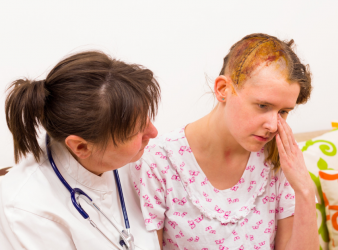
awake craniotomy, neurological deterioration after awake craniotomy, awake craniotomy outcomes, postoperative neurological deficits, awake brain surgery, neurological assessment after surgery, postoperative cognitive decline, cerebral edema after surgery, aphasia after brain surgery, motor weakness after craniotomy, functional brain mapping, Karnofsky Performance Status, Glasgow Coma Scale, Mini-Mental State Examination, neurosurgery research
Awake Craniotomy: Neurological Decline in 30% of Patients

Key points at a glance 30% of patients experienced new or worsening neurological dysfunction within.
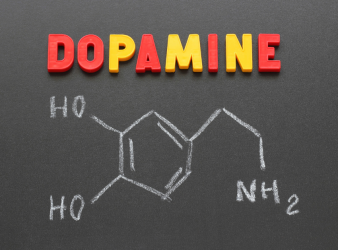
adrenaline and dopamine, psychology of fear, psychology of horror, why people enjoy horror movies, brain response to fear, dopamine and reward system, adrenaline rush, cortisol and stress response, thrill-seeking behavior, science behind fear, perceived safety and fear, hormones and emotions, fear and brain chemistry, emotional processing, psychology of haunted houses
Adrenaline and Dopamine: The Psychology of Fear and Thrill

Key points at a glance Adrenaline and dopamine: These chemicals help explain why some people.

EEG monitoring for cybersickness, cybersickness detection, EEG and virtual reality, virtual reality motion sickness, real-time cybersickness monitoring, electroencephalography, cybersickness symptoms, brain wave activity, vergence-accommodation conflict, VR-related sickness, EEG brain signals, augmented reality health, virtual reality healthcare, neurological monitoring, immersive technology research, digital health, neurological monitoring, Simulator Sickness Questionnaire, frontal lobe, occipital lobe, immersive technology
EEG Monitoring for Cybersickness: New Study Findings

Key takeaways Researchers at the University of Maryland used electroencephalography (EEG) to identify brain activity.

Brain-Computer Interface, Hidden Consciousness, Cognitive Motor Dissociation, Neurocritical Care, Critical Care, Neurology, Intensive Care Unit, EEG, Electroencephalography, Acute Brain Injury, Disorders of Consciousness, Patient Communication, Neurotechnology, Artificial Intelligence in Healthcare, Columbia University, EEG monitoring, disorders of consciousness, neurocritical care, mind-controlled communication, brain injury rehabilitation, covert consciousness detection, patient communication technology
Brain-Computer Interface Uses EEG in Unresponsive Patients

Key findings at a glance Mind-controlled sound: A noninvasive brain-computer interface (BCI) allowed some clinically.
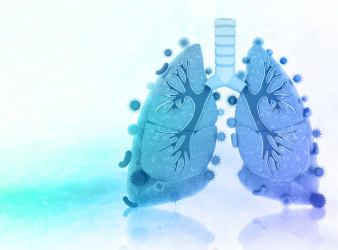
Pediatrics, Pediatric Pulmonology, Infant Respiratory Infections, Viral Lower Respiratory Tract Infections, Bronchiolitis, Pediatric Pneumonia, Pediatric ARDS, Infant Lung Health, Childhood Asthma, Recurrent Wheezing, Airway Microbiome, Immune Response, SPIN VINYL Study, Michigan Medicine, NHLBI, recurrent wheezing in children, long-term respiratory outcomes, airway microbiome, infant immune response, pediatric respiratory research, SPIN VINYL study, respiratory disease in infants
Infant Respiratory Infections: $52M Study on Lung Health

Key points at a glance A Michigan Medicine-led consortium has received approval for up to.

Alzheimer's Disease, Gamma Oscillations, Parvalbumin Interneurons, PV Cells, Alzheimer's Research, Memory and Cognition, Neuronal Function, Sodium Channel Subunit, Cognitive Impairment, Neurodegenerative Diseases, Brain Rhythms, Amyloid Plaques, Neurology Research, Dementia Research, Neuron, cognitive impairment, memory formation, brain electrical activity, amyloid plaques, neurodegenerative disease, dementia research, neuronal circuit function
Gamma Oscillations Restored in Alzheimer’s Disease Mice

Key takeaways Researchers restored parvalbumin (PV) interneuron function and improved gamma oscillations in a mouse.
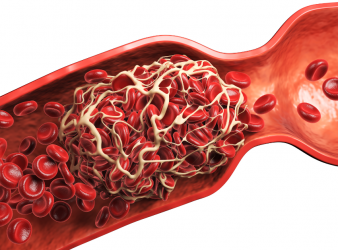
Coffee Consumption, coffee consumption and recurrent VTE, recurrent venous thromboembolism, coffee and blood clots, recurrent VTE risk, coffee consumption and VTE, venous thromboembolism recurrence, blood clot recurrence, deep vein thrombosis (DVT), pulmonary embolism (PE), provoked VTE, unprovoked VTE, VTE risk factors, anticoagulation therapy, thrombosis research, recurrent blood clots
Coffee Consumption Linked to Lower Recurrent VTE Risk

Key points at a glance Study population: 2,071 individuals with a first lifetime venous thromboembolism.
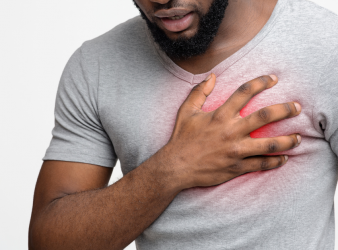
Body Roundness Index, Heart Attack Risk, Myocardial Infarction, Cardiovascular Risk, Body Mass Index, BMI, Waist Circumference, Abdominal Adiposity, UK Biobank, Cardiovascular Disease, Preventive Cardiology, Anthropometric Measures, Heart Disease Research, Risk Prediction, Clinical Research, cardiovascular disease risk, heart attack prediction, UK Biobank study, weight-adjusted waist index, anthropometric measures, visceral fat, cardiovascular risk prediction/
Body Roundness Index Linked to Higher Heart Attack Risk

Key findings at a glance Study population: 395,831 adults aged 40–70 years from the UK.