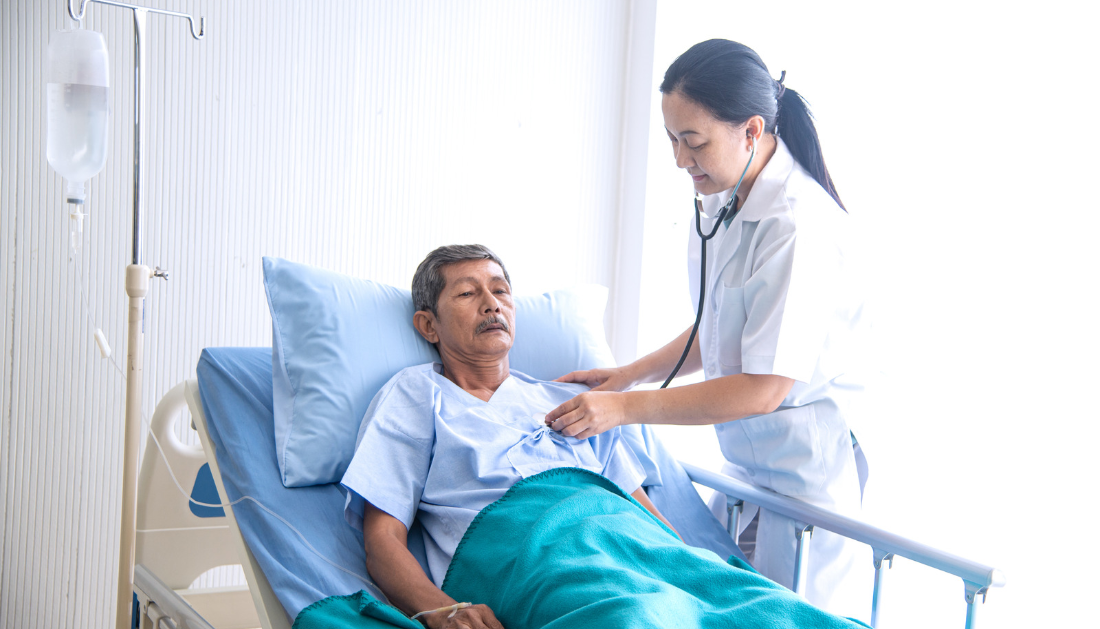
2. Cryoanalgesia and Long-Term Pain After Lung Surgery

Cryoanalgesia for postoperative pain management may offer an alternative to opioid-based approaches following thoracic surgery. However, new research from the University of Missouri School of Medicine indicates that some patients continue to experience pain even two years after surgeons use intraoperative nerve freezing.
The findings highlight the need for further research into the long-term effectiveness of cryoanalgesia and the factors that influence chronic pain after lung surgery.
Thoracic surgery, including pulmonary resection, can damage intercostal nerves and surrounding tissues. This damage may cause persistent postoperative pain, numbness, and inflammation, sometimes lasting for years.
To address this challenge, researchers investigated intercostal nerve cryoanalgesia, a technique that applies extreme cold to nerves to interrupt pain signal transmission temporarily. Surgeons can use this approach during an operation to reduce postoperative discomfort and potentially limit opioid requirements.
The research team evaluated 261 patients who received cryoanalgesia after anatomical lung resection. At the two-year follow-up, 167 patients (approximately 64%) reported no pain, while 35% continued to experience pain.
Notably, 80% of patients who reported persistent pain experienced neuropathic pain, which develops when injury or dysfunction affects the nervous system.
These findings suggest that although many patients experience favorable long-term outcomes, cryoanalgesia does not eliminate the risk of persistent postoperative pain.
The researchers also examined clinical factors associated with pain 24 months after surgery.
Three factors showed associations with persistent pain:
However, the researchers could not establish whether these outcomes resulted from cryoanalgesia, the surgical procedure, or other contributing factors.
The findings highlight the importance of assessing postoperative pain early, identifying patients at increased risk, and monitoring symptoms beyond the immediate recovery period.
The study adds to the growing clinical interest in non-opioid approaches to postoperative pain management, particularly among patients undergoing major thoracic procedures.
Dr. Jussuf Kaifi, co-author and Section Chief of Thoracic Surgery at the University of Missouri School of Medicine, noted that the institution was among the first hospitals in the United States to routinely use cryoanalgesia in adult lung surgery patients. However, he emphasized that further evidence must establish its long-term effectiveness and safety.
The research also carries significance for healthcare professionals addressing opioid-related risks and chronic pain. Postoperative pain may increase a patient’s susceptibility to developing chronic pain, making appropriate pain assessment and management essential.
Published in Surgical Oncology, the study, titled “Clinical predictors of pain 24 Months after intraoperative intercostal nerve Cryoanalgesia for anatomical lung resection,” contributes additional clinical evidence on long-term outcomes following nerve freezing.
Further prospective studies could help determine which patient populations benefit most from cryoanalgesia and how clinicians can better prevent persistent pain following thoracic surgery.

 Brain-Computer Interface Uses EEG in Unresponsive Patients
Key findings at a glance Mind-controlled.
 Gamma Oscillations Restored in Alzheimer’s Disease Mice
Key takeaways Researchers restored parvalbumin (PV).
 Coffee Consumption Linked to Lower Recurrent VTE Risk
Key points at a glance Study.
 Body Roundness Index Linked to Higher Heart Attack Risk
Key findings at a glance Study.
 Maternal Diet Fails to Reduce Infant Egg and Peanut Allergy
Key Points A large Australian randomized.
 Visual Impairment Linked to Higher Dementia Risk
Key findings at a glance A.
 Long-Acting HIV Treatment May Help Drug-Resistant Cases
Key Takeaways A UCSF study found.
 Night Shift Work Alters Key Circadian Gene Expression
A recent study published in Frontiers.
 Tirzepatide Weight Loss: Fat Mass and Muscle Findings
Key points Tirzepatide was associated with.
 Coffee and Gut Microbiome: Brewing and Metabolic Effects
Key Points Coffee contains caffeine, chlorogenic.
Leave a Comment