
BNP Hormone Triggers Platelet Activation, Study Reveals

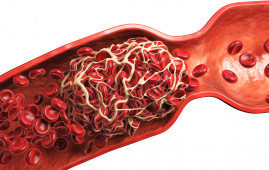
BNP hormone, commonly used to assess cardiac stress and heart failure, may directly contribute to blood clot formation, according to new research from Texas A&M University Health. Researchers found that elevated levels of B-type natriuretic peptide (BNP) activate blood platelets through a specific receptor pathway, potentially increasing the risk of thrombosis and serious cardiovascular complications.
The findings challenge the traditional understanding of BNP as primarily a diagnostic biomarker and identify a potential therapeutic target for preventing abnormal clot formation.
Led by Dr. Zhenyu Li, professor of pharmaceutical sciences at the Texas A&M University Irma Lerma Rangel College of Pharmacy, the research team investigated whether BNP contributes directly to cardiovascular disease progression.
BNP typically enters clinical evaluation as a biomarker of cardiac stress. Physicians measure its levels to help assess heart failure and other cardiovascular conditions. However, the researchers suspected that the hormone might also influence processes responsible for cardiovascular complications.
Their investigation revealed that BNP binds directly to NPRA, a specialized receptor on the surface of blood platelets. This interaction increases intracellular cyclic guanosine monophosphate (cGMP), activating signaling processes that promote platelet aggregation and thrombus growth.
The researchers observed accelerated clot formation in experimental models of vascular injury and pulmonary embolism when BNP levels increased.
Conversely, blocking or removing NPRA prevented BNP from activating platelets and reduced abnormal clot formation. The team also examined blood samples from patients with cardiac rhythm disorders and identified a correlation between circulating BNP levels and platelet activity.
These findings identify the BNP–NPRA signaling pathway as a potential contributor to thrombotic complications.
The discovery offers a possible explanation for the relationship between elevated BNP levels and increased cardiovascular complications, including heart attacks and pulmonary embolism.
Current antiplatelet medications suppress platelet activity throughout the body, potentially increasing the risk of internal bleeding. Targeting the BNP–NPRA pathway could offer a more selective approach by limiting BNP-driven platelet activation while preserving normal hemostasis.
However, the findings do not establish BNP-targeted treatment as a clinical intervention. Further investigation must determine the pathway’s contribution to thrombosis in different patient populations.
Future research will examine platelet-specific NPRA activity and identify small-molecule inhibitors that can disrupt the BNP–NPRA interaction. Dr. Li’s team is collaborating with researchers at Texas A&M to identify and evaluate potential inhibitors.
If subsequent studies confirm these findings, BNP–NPRA signaling could provide a foundation for targeted therapies addressing thrombotic complications in patients with cardiovascular disease.

 Cryoanalgesia for Postoperative Pain: 2-Year Outcomes
Key findings at a glance: A.
 Brain-Computer Interface Uses EEG in Unresponsive Patients
Key findings at a glance Mind-controlled.
 Gamma Oscillations Restored in Alzheimer’s Disease Mice
Key takeaways Researchers restored parvalbumin (PV).
 Coffee Consumption Linked to Lower Recurrent VTE Risk
Key points at a glance Study.
 Body Roundness Index Linked to Higher Heart Attack Risk
Key findings at a glance Study.
 Maternal Diet Fails to Reduce Infant Egg and Peanut Allergy
Key Points A large Australian randomized.
 Visual Impairment Linked to Higher Dementia Risk
Key findings at a glance A.
 Long-Acting HIV Treatment May Help Drug-Resistant Cases
Key Takeaways A UCSF study found.
 Night Shift Work Alters Key Circadian Gene Expression
A recent study published in Frontiers.
 Tirzepatide Weight Loss: Fat Mass and Muscle Findings
Key points Tirzepatide was associated with.
Leave a Comment