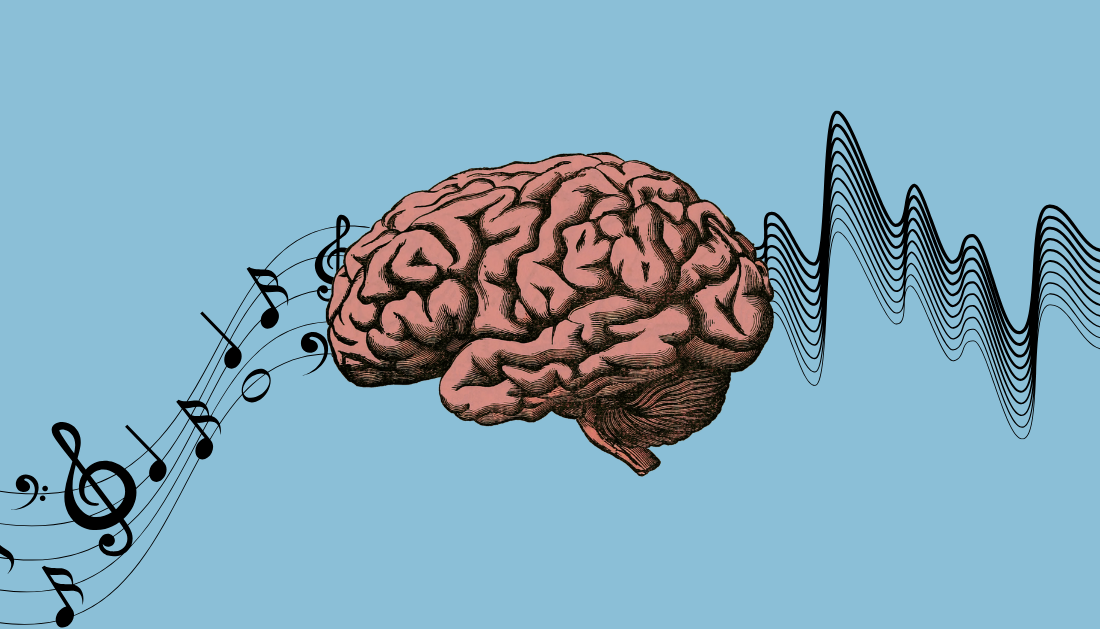
Music and Psychedelic-Assisted Psychotherapy: New Insights

Psychedelic-assisted psychotherapy (PAP) has gained research interest as a potential approach for psychiatric conditions such as treatment-resistant depression, particularly when conventional pharmacological treatments provide insufficient symptom relief.
PAP combines a psychedelic substance, such as psilocybin, with psychological support from trained therapists. Researchers have linked some treatment responses to changes in emotional processing, meaning, purpose, and subjective experience. However, the interaction among the psychedelic drug, therapist, treatment environment, and music makes it difficult to determine which elements contribute to outcomes.
Music may represent an important part of this therapeutic setting. Researchers have described it as a potential “hidden therapist” because it can shape the emotional tone and progression of a psychedelic session.
Music-based interventions already have documented effects on mental health. Music therapy involves individualized, therapist-led musical engagement, while music medicine generally involves listening to prerecorded music without a therapeutic relationship. Meta-analyses have associated both approaches with improvements in depressive symptoms and health-related quality of life.
Neuroscience may help explain these effects. Music activates brain regions involved in auditory processing, emotion, memory, and reward, including the auditory cortex, amygdala, hippocampus, insula, cingulate cortex, and striatum. Music also interacts with large-scale networks such as the default mode network, which contributes to self-referential processing and autobiographical memory.
During PAP, these effects may interact with psychedelic-induced changes in perception and emotional processing. Early research suggests that an individual’s openness to, preference for, and resonance with music may relate to aspects of the psychedelic experience and short-term depression outcomes.
Music may also provide temporal structure, influence arousal, support emotional processing, and help shape the therapeutic environment.
Researchers face several challenges when studying music in PAP. Studies differ in playlist selection, personalization, sequencing, timing, and delivery. Small samples, difficulties with blinding, open-label designs, and limited controls can further complicate interpretation.
Researchers therefore propose defining music according to its therapeutic or experiential function, rather than requiring specific genres, songs, or playlists. For example, selections could support emotional processing, regulate arousal, create a sense of safety, or facilitate reflection.
This approach could improve transparency and reproducibility while allowing therapists to consider individual preferences, cultural backgrounds, and clinical contexts.
Future mixed-methods research combining quantitative measures with qualitative patient experiences may clarify how music interacts with psychedelics, therapists, and treatment settings. Better reporting standards could also help clinicians and researchers evaluate music as a distinct component of psychedelic-assisted psychotherapy.

 Night Shift Work Alters Key Circadian Gene Expression
A recent study published in Frontiers.
 Tirzepatide Weight Loss: Fat Mass and Muscle Findings
Key points Tirzepatide was associated with.
 Coffee and Gut Microbiome: Brewing and Metabolic Effects
Key Points Coffee contains caffeine, chlorogenic.
 Low-Dose Radiation Therapy Shows Promise in Early Knee OA
Key Points Low-dose radiation therapy was.
 Oral Hormone Replacement Therapy Raises Blood Clot Risk
Key Points Oral hormone replacement therapy.
 GLP-1 Health Information: Quality, Completeness, & Engagement
Key Points A study assessed 128.
 DNA Damage Response May Drive Biological Aging
Key Points Chronic DNA damage response.
 Maternal Diet Fails to Reduce Infant Egg and Peanut Allergy
Key Points A large Australian randomized.
 Cardiovascular Frailty Links Heart Health and Aging
Key Points Cardiovascular frailty may connect.
 Laser Blended Vision: Simple Test Predicts Success
Key Points A simple phoropter-based test.
Leave a Comment