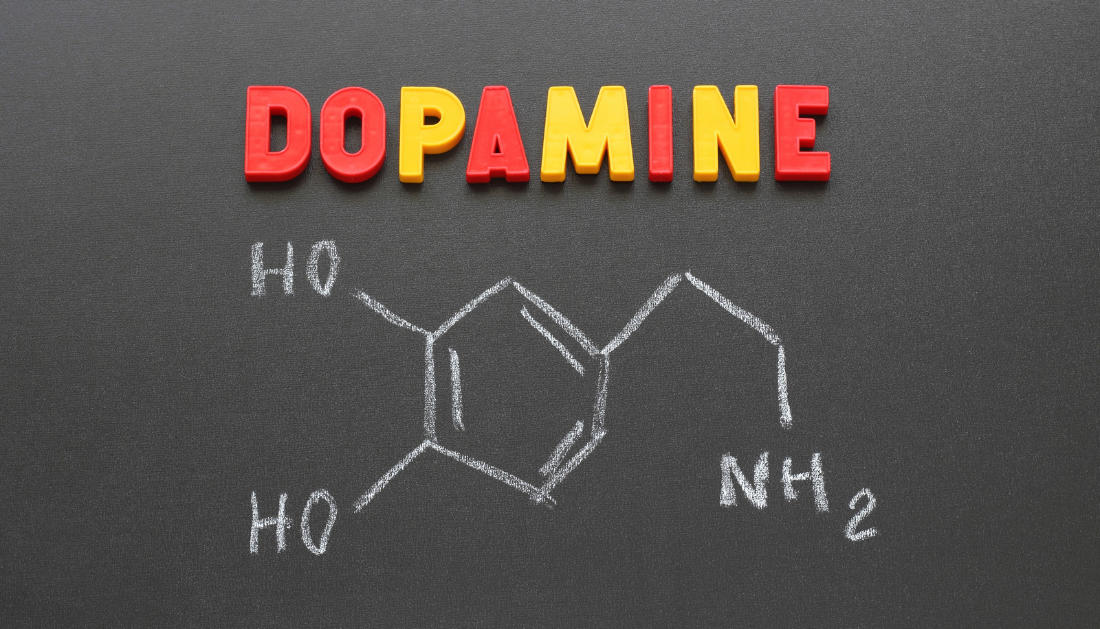
Adrenaline and Dopamine: How the Brain Responds to Fear

Quick summary: Adrenaline and dopamine help explain why some people enjoy horror movies and haunted houses. Psychology researchers highlight the roles of stress responses, reward pathways, perceived safety, and social bonding in shaping the experience of fear.
The thrill of a horror movie or a haunted house may seem contradictory. Fear normally signals danger, yet many people willingly seek frightening experiences for entertainment. As Halloween approaches, this behavior offers an opportunity to examine how the brain processes fear, reward, and emotional arousal.
Psychology researchers at Kennesaw State University suggest that the body’s chemical responses, individual differences in thrill-seeking, and the reassurance of a controlled environment help explain why some people enjoy being scared while others avoid it.
Adrenaline prepares the body to respond to perceived threats. It can increase alertness, heart rate, and physical arousal during sudden scares. Cortisol, another hormone involved in the stress response, also rises in stressful situations and contributes to processes involved in memory.
Nicole Martin, an associate professor of psychology at Kennesaw State University, explains that some people find this heightened arousal pleasurable. The intensity of a frightening experience can create excitement, particularly when the person understands that the threat is not real.
Dopamine also helps explain why people repeat thrilling activities. Sharon Pearcey, a professor of psychological science at the university, identifies the brain’s reward system as a factor in thrill-seeking behavior. Dopamine participates in reward learning, motivation, and reinforcement, which can encourage people to seek experiences they find rewarding.
However, these responses do not affect everyone in the same way. Some people actively seek jump scares and suspense, while others find the same experiences unpleasant. Genetics may contribute to these differences, although no single factor fully explains an individual’s preference for horror.
Perceived safety plays an important role in recreational fear. A horror film, fictional story, or haunted house creates a sense of danger without exposing participants to the same real-world threat.
Martin notes that people retain control over these experiences. They can pause a movie, close a book, or leave a haunted attraction. This ability to disengage helps distinguish entertaining fear from situations involving genuine danger.
The brain can still respond strongly to fictional threats, but awareness of the surrounding safety can change how people interpret that arousal. The resulting experience may feel exciting rather than overwhelming.
Social interaction can add another dimension. Watching a frightening film with friends gives people an opportunity to share reactions, laugh after a scare, and create common memories. Martin also discusses oxytocin, a hormone associated with social bonding, in the context of frightening experiences.
These findings illustrate that fear involves more than a simple stress response. Reward processing, perceived control, personal preferences, and social context all influence how people experience frightening situations.
For healthcare professionals, this topic offers a useful example of how biological responses and psychological interpretation interact to shape human behavior. Although recreational fear provides an accessible way to discuss these mechanisms, individual responses vary, and findings from horror-related experiences should not automatically translate into clinical conclusions.

 Psychedelic-Assisted Psychotherapy: Music in Treatment
Key Takeaways Psychedelic-assisted psychotherapy combines psychedelic.
 Psilocybin Microdosing Research Raises Key Questions
Key points: Psilocybin microdosing research shows.
 Early-Life Stress Linked to Lasting Brain Epigenetic Changes
Key Points Early-life stress (ELS) increased.
 Rapid-Acting Antidepressants Share Neuroimmune Pathways
Key Points Researchers identified common neuroimmune.
 Nasal Microbiome Associated With Better Mental Well-Being
Key Summary Researchers found that exposure.
 Cannabis and Tobacco Co-Use May Increase Psychosis Risk
Key Takeaways A new study in.
 Prenatal Sedatives Psychiatric Risk: New Study Findings
Quick Summary A large South Korean.
Leave a Comment