Psilocybin Microdosing: Evidence Remains Inconclusive

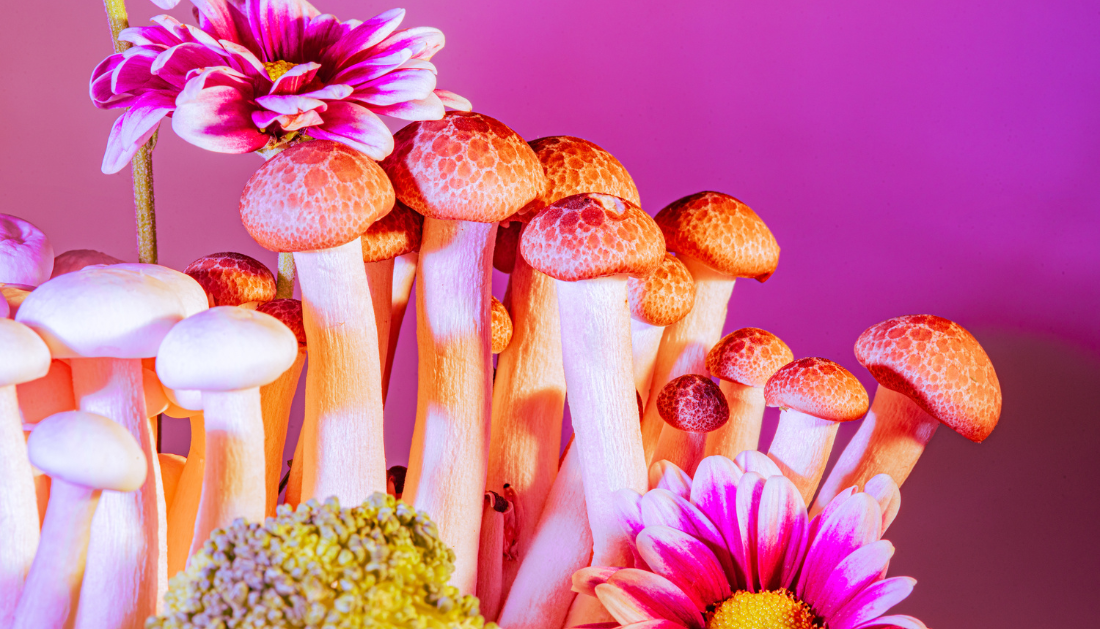
Psilocybin microdosing involves repeatedly taking small, generally sub-perceptual amounts of psilocybin-containing mushrooms or truffles. Interest in the practice has grown because of reported effects on mood, focus, creativity, anxiety, and everyday functioning.
However, evidence from full-dose psychedelic-assisted therapy should not automatically apply to microdosing. Most therapeutic psilocybin research uses perceptible doses within structured clinical settings, often alongside psychotherapy.
A systematic review published in Frontiers in Psychiatry examined the available evidence specifically on psilocybin mushroom and truffle microdosing in adults. Researchers searched CINAHL, OVID, ProQuest, PsycINFO, PubMed, and Scopus, with the search updated through June 2026.
The researchers identified 897 references and ultimately included 11 studies published between 2018 and 2024, representing 3,262 participants. Five studies used quantitative methods, including randomized and placebo-controlled designs, while six used qualitative approaches.
Eight studies reported at least one perceived benefit, including improvements in well-being, mood, energy, sleep, anxiety, depression, focus, motivation, creativity, empathy, and social connection. Some reports also described effects on physical functioning and sensory perception.
Yet the findings were far from consistent. Some studies found no significant improvement, while others reported negative outcomes such as mental confusion, reduced inhibitory control, or psychosis-like experiences. One report also described suicidal ideation, panic attacks, intense anxiety, sensory distortion, and worsening of Crohn’s disease at higher doses.
Importantly, 86% of reported motivations for microdosing were non-medical, while only 14% related to medical diagnoses, primarily mental health conditions.
The review does not establish psilocybin microdosing as an effective or safe treatment for depression, anxiety, cognitive concerns, or other health conditions. Researchers highlighted small and uneven samples, heterogeneous dosing protocols, reliance on self-reported outcomes, and high or unclear risk of bias.
For HCPs and nurses, these findings reinforce the importance of asking patients about psychedelic use and discussing potential risks without assuming that anecdotal benefits reflect clinical efficacy.
What are the next research priorities for psilocybin microdosing? Researchers recommend well-designed randomized controlled trials, standardized dosing protocols, diverse clinical populations, and comprehensive adverse-event monitoring to determine whether reported benefits represent genuine pharmacological effects or are partly driven by expectancy and placebo responses.

 Gamma Oscillations Restored in Alzheimer’s Disease Mice
Key takeaways Researchers restored parvalbumin (PV).
 Coffee Consumption Linked to Lower Recurrent VTE Risk
Key points at a glance Study.
 Body Roundness Index Linked to Higher Heart Attack Risk
Key findings at a glance Study.
 Maternal Diet Fails to Reduce Infant Egg and Peanut Allergy
Key Points A large Australian randomized.
 Visual Impairment Linked to Higher Dementia Risk
Key findings at a glance A.
 Long-Acting HIV Treatment May Help Drug-Resistant Cases
Key Takeaways A UCSF study found.
 Night Shift Work Alters Key Circadian Gene Expression
A recent study published in Frontiers.
 Tirzepatide Weight Loss: Fat Mass and Muscle Findings
Key points Tirzepatide was associated with.
 Coffee and Gut Microbiome: Brewing and Metabolic Effects
Key Points Coffee contains caffeine, chlorogenic.
 Low-Dose Radiation Therapy Shows Promise in Early Knee OA
Key Points Low-dose radiation therapy was.
Leave a Comment