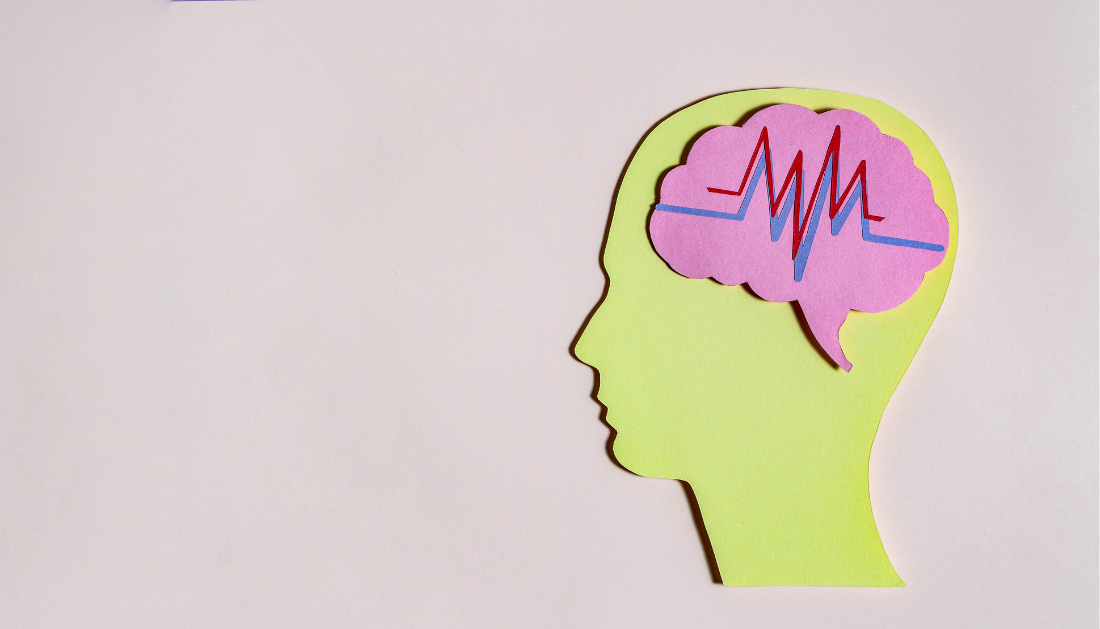
Rapid-Acting Antidepressants Show Shared Immune Signatures

Rapid-acting antidepressants are transforming the management of treatment-resistant depression by providing symptom relief within hours or days rather than weeks. Although therapies such as ketamine and psychedelic compounds interact with different receptors in the brain, researchers now report that they may produce their antidepressant effects through common neuroimmune pathways.
A new study from researchers at The University of Texas MD Anderson Cancer Center, published in Molecular Psychiatry, identified shared immune-related molecular changes across multiple rapid-acting antidepressants. The findings suggest that communication between the immune system and the brain plays a central role in treatment response and may help clinicians identify patients most likely to benefit from these therapies.
For healthcare professionals managing patients with difficult-to-treat depression, these results provide new insights into biological mechanisms that could support future biomarker-guided treatment strategies.
The research team analyzed laboratory models alongside data from a previous clinical trial involving ketamine treatment. Despite differences in pharmacologic targets, several rapid-acting antidepressants triggered similar molecular responses linked to immune signaling within brain cells.
Investigators also identified corresponding immune-related changes in patients’ blood samples together with alterations in brain electrical activity after ketamine administration. These findings indicate that systemic immune responses and central nervous system activity may work together during rapid antidepressant treatment.
One notable observation involved the balance between IL-15 and IL-7 signaling pathways. Patients who responded to ketamine demonstrated lower IL-15 pathway activity and higher B-cell signaling before treatment than nonresponders. Following successful treatment, these immune signatures shifted, suggesting restoration of immune balance may accompany clinical improvement.
Key Clinical Takeaway: Blood-based immune biomarkers combined with neurophysiological measures may help predict response to rapid-acting antidepressants in treatment-resistant depression.
Treatment-resistant depression remains a major clinical challenge because many patients fail to achieve adequate symptom control with conventional antidepressants or psychotherapy. Rapid-acting antidepressants have shown encouraging results, but clinicians currently lack reliable tools to predict which patients will respond.
The present findings suggest that IL-15, IL-7, B-cell signaling, and related neuroimmune biomarkers could eventually support patient selection before initiating ketamine or similar therapies. If confirmed in larger prospective studies, these biomarkers may contribute to more personalized treatment decisions while improving understanding of immune-brain interactions in depression.
The researchers emphasize that these results remain exploratory and require validation before routine clinical implementation. Future investigations will determine whether targeting these immune pathways can improve treatment durability or extend the benefits of rapid-acting antidepressants for patients with treatment-resistant depression.

 Gamma Oscillations Restored in Alzheimer’s Disease Mice
Key takeaways Researchers restored parvalbumin (PV).
 Coffee Consumption Linked to Lower Recurrent VTE Risk
Key points at a glance Study.
 Body Roundness Index Linked to Higher Heart Attack Risk
Key findings at a glance Study.
 Maternal Diet Fails to Reduce Infant Egg and Peanut Allergy
Key Points A large Australian randomized.
 Visual Impairment Linked to Higher Dementia Risk
Key findings at a glance A.
 Long-Acting HIV Treatment May Help Drug-Resistant Cases
Key Takeaways A UCSF study found.
 Night Shift Work Alters Key Circadian Gene Expression
A recent study published in Frontiers.
 Tirzepatide Weight Loss: Fat Mass and Muscle Findings
Key points Tirzepatide was associated with.
 Coffee and Gut Microbiome: Brewing and Metabolic Effects
Key Points Coffee contains caffeine, chlorogenic.
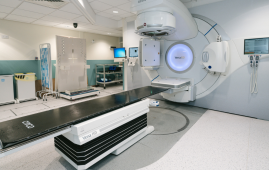 Low-Dose Radiation Therapy Shows Promise in Early Knee OA
Key Points Low-dose radiation therapy was.
Leave a Comment