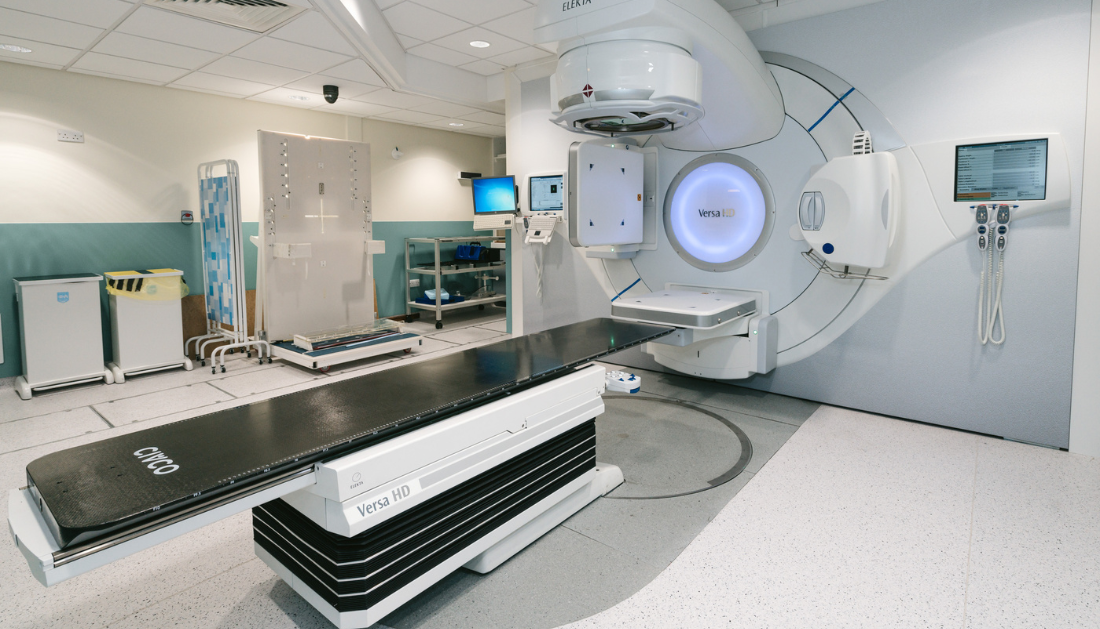
Low-Dose Radiation Therapy Linked to Better Knee OA Outcomes

Low-dose radiation therapy may provide longer-lasting benefits for patients with early knee osteoarthritis, according to an integrated analysis of a randomized trial presented at the American Society for Radiation Oncology (ASTRO) Annual Meeting.
The analysis followed 292 patients for nearly 12 years and compared glucosamine and chondroitin alone with the same medications plus low-dose radiation therapy. Participants had Kellgren-Lawrence grade 0, 1, or 2 disease, while patients with more advanced grade 3 or 4 osteoarthritis were excluded. The median participant age was 38 years.
Patients receiving radiation therapy received 4.5 Gy across 10 treatments using an orthovoltage machine with low-energy X-rays. While both groups initially reported less pain, sustained improvements in pain occurred only in the radiation therapy group. This group also reported greater and more durable improvements in physical function and quality of life.
MRI assessments provided evidence of differences in joint structure. During 3 years of imaging follow-up, patients receiving low-dose radiation therapy experienced significantly less structural deterioration. At 12 months, MRI scores showed slight improvement in the radiation group, compared with worsening in the medication-only group, with the difference persisting during follow-up.
Researchers also assessed regional health records over a median follow-up of 11.9 years. Across the study population, low-dose radiation therapy was associated with a 67% lower adjusted hazard of government-certified disability related to knee osteoarthritis.
Among 78 patients with grade 2 disease, disability occurred in 31% of the radiation group compared with 61% of the medication-only group. Knee replacement occurred in 14% and 36%, respectively. Both differences reached statistical significance.
The findings suggest that low-dose radiation therapy may warrant further investigation as an osteoarthritis treatment, particularly when disease is established but joint damage remains limited. The proposed mechanism involves reducing inflammation within the joint at doses far below those used for cancer treatment.
However, the researchers emphasized several limitations. Participants knew their treatment assignment, the control group did not receive simulated radiation, MRI follow-up was incomplete, and the trial took place at a single institution in Russia. The long-term outcomes and grade 2 subgroup findings were exploratory. The study also was not designed to quantify rare late radiation effects or lifetime cancer risk.
Researchers recommend a larger multicenter randomized trial with simulated radiation as the control, standardized imaging, long-term clinical endpoints, and particular attention to patients with grade 2 disease.

 Gamma Oscillations Restored in Alzheimer’s Disease Mice
Key takeaways Researchers restored parvalbumin (PV).
 Coffee Consumption Linked to Lower Recurrent VTE Risk
Key points at a glance Study.
 Body Roundness Index Linked to Higher Heart Attack Risk
Key findings at a glance Study.
 Maternal Diet Fails to Reduce Infant Egg and Peanut Allergy
Key Points A large Australian randomized.
 Visual Impairment Linked to Higher Dementia Risk
Key findings at a glance A.
 Long-Acting HIV Treatment May Help Drug-Resistant Cases
Key Takeaways A UCSF study found.
 Night Shift Work Alters Key Circadian Gene Expression
A recent study published in Frontiers.
 Tirzepatide Weight Loss: Fat Mass and Muscle Findings
Key points Tirzepatide was associated with.
 Coffee and Gut Microbiome: Brewing and Metabolic Effects
Key Points Coffee contains caffeine, chlorogenic.
 Oral Hormone Replacement Therapy Raises Blood Clot Risk
Key Points Oral hormone replacement therapy.
Leave a Comment