
Coffee and Gut Microbiome: Brewing, Polyphenols and Health

Coffee and gut microbiome interactions depend partly on which compounds survive digestion and reach the colon. A focused narrative review published in Metabolites examined the gastrointestinal fate, microbial transformation, and systemic availability of major coffee constituents.
Caffeine undergoes rapid absorption in the upper gastrointestinal tract and is primarily metabolized in the liver by CYP1A2. In contrast, substantial amounts of CGAs, nondigestible polysaccharides, and roasting-derived melanoidins can resist digestion and reach the colon.
Gut bacteria can hydrolyze CGAs and convert caffeic acid into lower-molecular-weight phenolic acids, including dihydrocaffeic and dihydroferulic acids. Coffee-derived polysaccharides, such as arabinogalactans and galactomannans, can also undergo microbial fermentation that produces SCFAs such as acetate, propionate, and butyrate.
Coffee brewing methods influence the compounds that enter the final beverage. Water temperature, contact time, pressure, grind size, roasting, and filtration can all affect extraction.
Espresso, drip-filtered, French press, boiled, cold-brew, and instant coffee can therefore provide different proportions of compounds that may reach the colon. However, the review notes that evidence does not show a specific brewing method consistently produces a favorable microbiome or metabolic outcome in humans.
Filtration has a more established clinical relevance. Paper filters substantially reduce the diterpenes cafestol and kahweol compared with unfiltered preparations. Regular consumption of unfiltered coffee can increase LDL cholesterol, making preparation method relevant when considering lipid management.
Chlorogenic acids and microbial metabolites may influence pathways involving intestinal barrier function, inflammatory signaling, SCFA production, and the gut–liver axis. Microbial modification of bile acids may also interact with receptors such as FXR and TGR5, which participate in metabolic and immune regulation.
However, much of the mechanistic evidence comes from in vitro and animal studies or experiments using isolated compounds and doses that may not reflect typical human coffee consumption. Observational links between coffee intake and outcomes such as type 2 diabetes or liver health also cannot establish that the gut microbiome causes these associations.
The authors therefore call for controlled human studies using realistic coffee doses and standardized exposure conditions. Future research should account for caffeine content, roasting, brewing, filtration, additives, baseline microbiota, diet, and individual metabolic differences.
For HCPs, the current evidence supports coffee as a complex dietary exposure with plausible microbiome-related mechanisms, rather than as a proven microbiome-targeted intervention.

 Gamma Oscillations Restored in Alzheimer’s Disease Mice
Key takeaways Researchers restored parvalbumin (PV).
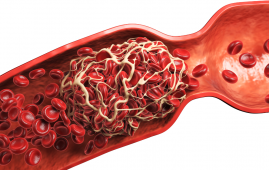 Coffee Consumption Linked to Lower Recurrent VTE Risk
Key points at a glance Study.
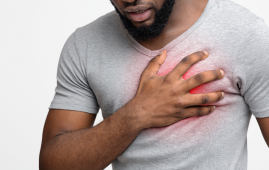 Body Roundness Index Linked to Higher Heart Attack Risk
Key findings at a glance Study.
 Maternal Diet Fails to Reduce Infant Egg and Peanut Allergy
Key Points A large Australian randomized.
 Visual Impairment Linked to Higher Dementia Risk
Key findings at a glance A.
 Long-Acting HIV Treatment May Help Drug-Resistant Cases
Key Takeaways A UCSF study found.
 Night Shift Work Alters Key Circadian Gene Expression
A recent study published in Frontiers.
 Tirzepatide Weight Loss: Fat Mass and Muscle Findings
Key points Tirzepatide was associated with.
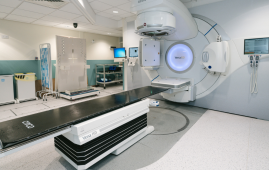 Low-Dose Radiation Therapy Shows Promise in Early Knee OA
Key Points Low-dose radiation therapy was.
 Oral Hormone Replacement Therapy Raises Blood Clot Risk
Key Points Oral hormone replacement therapy.
Leave a Comment