
Cannabis and Tobacco Use Linked to Psychosis Risk

A new multicenter study published in Nature Mental Health reports that cannabis and tobacco co-use may substantially increase the likelihood of developing psychotic disorders, including schizophrenia, among individuals already considered at clinical high risk for psychosis.
Researchers led by Heather Ward from Vanderbilt Health evaluated substance use trends in participants enrolled in the North American Prodrome Longitudinal Study, a large research initiative focused on identifying early markers of psychotic disorders.
The study assessed 734 individuals at clinical high risk for psychosis and 278 healthy controls over two years. Investigators categorized participants based on substance use patterns, including cannabis only, tobacco only, cannabis and tobacco co-use, other substances, or no substance use.
Researchers noted that cannabis and tobacco co-use has steadily increased over the last several decades, especially among adolescents and young adults. While exclusive tobacco use has declined, cannabis consumption continues to rise, creating concern among psychiatric specialists about long-term neuropsychiatric outcomes.
The study found that both cannabis use and tobacco use independently correlated with anxiety, depressive symptoms, and early psychotic experiences. However, the most significant findings emerged in participants who regularly used both substances together.
Patients with heavy cannabis use and lighter tobacco use demonstrated nearly three times the risk of progressing to psychosis compared with participants who avoided both substances.
According to Ward, people with psychotic disorders already experience disproportionately high rates of cannabis and tobacco exposure. Tobacco-related cardiovascular disease, stroke, lung cancer, and other medical complications contribute to significantly reduced life expectancy in this population.
Investigators also highlighted evidence suggesting that tobacco may increase absorption of tetrahydrocannabinol (THC), the psychoactive component of cannabis. This interaction could intensify neurobiological effects associated with psychosis vulnerability.
The findings emphasize the importance of early screening for cannabis and tobacco co-use in adolescents and young adults presenting with mild psychotic symptoms or psychiatric vulnerability.
Researchers believe co-use may either directly contribute to psychosis development or reflect an underlying biological predisposition among individuals already susceptible to psychiatric illness.
Ward emphasized that reducing or discontinuing cannabis and tobacco use may improve psychiatric outcomes and potentially lower psychosis risk in vulnerable populations. The research team plans to conduct additional studies to determine whether smoking cessation and cannabis abstinence can prevent progression to full psychotic disorders.
For psychiatrists, primary care clinicians, nurses, and behavioral health professionals, the study reinforces the need for targeted counseling on substance use in high-risk populations. It highlights the growing psychiatric concerns surrounding cannabis and tobacco co-use.

 Night Shift Work Alters Key Circadian Gene Expression
A recent study published in Frontiers.
 Tirzepatide Weight Loss: Fat Mass and Muscle Findings
Key points Tirzepatide was associated with.
 Coffee and Gut Microbiome: Brewing and Metabolic Effects
Key Points Coffee contains caffeine, chlorogenic.
 Low-Dose Radiation Therapy Shows Promise in Early Knee OA
Key Points Low-dose radiation therapy was.
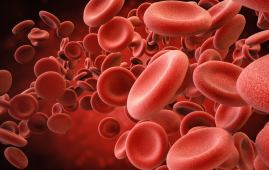 Oral Hormone Replacement Therapy Raises Blood Clot Risk
Key Points Oral hormone replacement therapy.
 GLP-1 Health Information: Quality, Completeness, & Engagement
Key Points A study assessed 128.
 DNA Damage Response May Drive Biological Aging
Key Points Chronic DNA damage response.
 Maternal Diet Fails to Reduce Infant Egg and Peanut Allergy
Key Points A large Australian randomized.
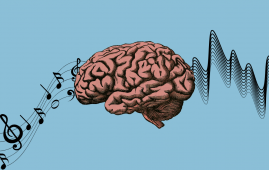 Psychedelic-Assisted Psychotherapy: Music in Treatment
Key Takeaways Psychedelic-assisted psychotherapy combines psychedelic.
 Cardiovascular Frailty Links Heart Health and Aging
Key Points Cardiovascular frailty may connect.
Leave a Comment