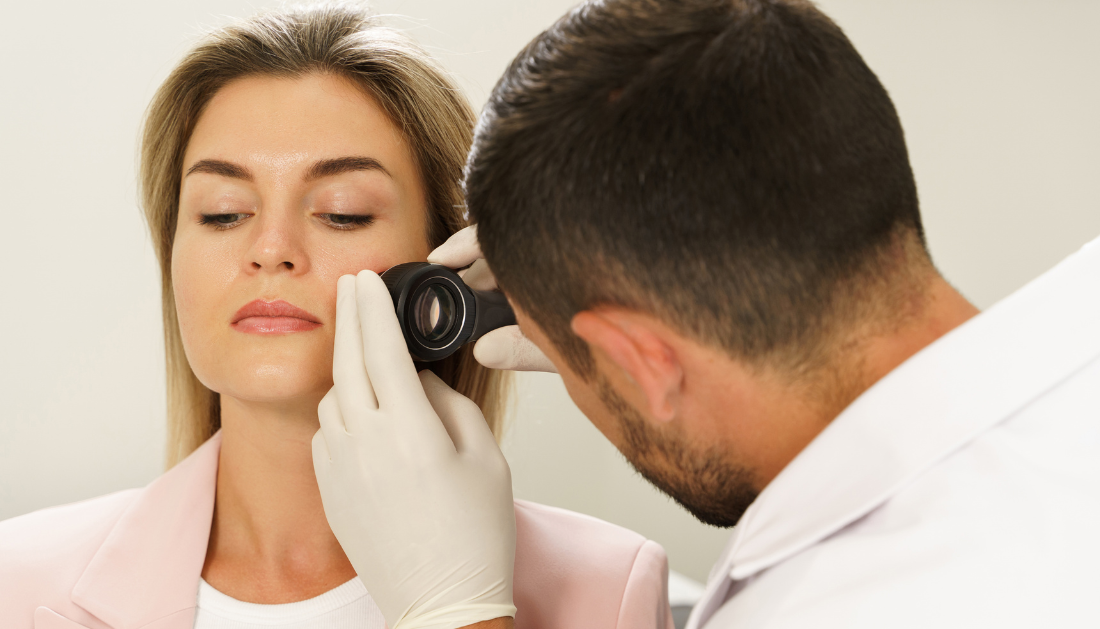
Skin Cancer Screening in Organ Transplant Patients Remains Inconsistent

Skin cancer screening in organ transplant patients continues to show inconsistent uptake, despite clear evidence of elevated malignancy risk. Solid organ transplant recipients require lifelong immunosuppressive therapy, which significantly increases susceptibility to cutaneous cancers.
A narrative review of 17 studies highlights a clear gap between guideline recommendations and real-world practice: annual full skin examinations for transplant recipients are not consistently performed across regions. Non-melanoma skin cancers remain the most common complication post-transplant, especially in fair-skinned populations. Compared to the general population, recipients face a 65–250-fold higher risk of squamous cell carcinoma and a 10–16-fold higher risk of basal cell carcinoma, with squamous cell carcinoma showing greater aggressiveness, recurrence, metastasis, and mortality. Melanoma risk is also elevated, reaching up to tenfold higher in some groups.
The variability in screening participation stems from multiple interconnected factors. Researchers categorize these into patient-level, clinician-level, and system-level barriers.
This multidimensional issue underscores that low screening rates are not solely due to patient behavior. Instead, they reflect broader inefficiencies in the coordination of care delivery among transplant teams, primary care providers, and dermatology specialists.
Full skin examinations conducted by clinicians remain central to reducing morbidity in this high-risk group. Alongside photoprotection strategies and self-skin assessments, early detection enables timely intervention and improves outcomes.
Advanced skin cancer treatment in transplant recipients is often complex due to drug interactions and potential graft rejection risks, making prevention and early diagnosis even more critical.
The findings call for standardized screening pathways, improved risk stratification, and timely dermatology referrals. Strengthening interdisciplinary collaboration can help ensure consistent surveillance and reduce preventable complications in transplant populations.

 Brain-Computer Interface Uses EEG in Unresponsive Patients
Key findings at a glance Mind-controlled.
 Gamma Oscillations Restored in Alzheimer’s Disease Mice
Key takeaways Researchers restored parvalbumin (PV).
 Coffee Consumption Linked to Lower Recurrent VTE Risk
Key points at a glance Study.
 Body Roundness Index Linked to Higher Heart Attack Risk
Key findings at a glance Study.
 Maternal Diet Fails to Reduce Infant Egg and Peanut Allergy
Key Points A large Australian randomized.
 Visual Impairment Linked to Higher Dementia Risk
Key findings at a glance A.
 Long-Acting HIV Treatment May Help Drug-Resistant Cases
Key Takeaways A UCSF study found.
 Night Shift Work Alters Key Circadian Gene Expression
A recent study published in Frontiers.
 Tirzepatide Weight Loss: Fat Mass and Muscle Findings
Key points Tirzepatide was associated with.
 Coffee and Gut Microbiome: Brewing and Metabolic Effects
Key Points Coffee contains caffeine, chlorogenic.
Leave a Comment