
Polygenic Risk Scores Improve Heart Disease Prediction

Cardiovascular disease remains the leading cause of mortality worldwide, yet many patients develop serious conditions despite normal routine clinical markers. A newly validated multicondition polygenic risk score (PRS) platform may help clinicians identify hidden inherited cardiovascular risk earlier and personalize prevention strategies before symptoms emerge.
Published in the Journal of the American College of Cardiology (JACC), the study analyzed genomic and electronic health record data from 245,394 participants in the All of Us Research Program and externally validated findings in 53,306 participants from the Mass General Brigham Biobank.
Unlike traditional cardiovascular risk models that assess factors such as blood pressure, cholesterol, age, and smoking history, polygenic risk scores (PRS) analyze thousands of genetic variants associated with inherited disease risk. In this study, researchers developed integrated PRS models for eight conditions, including coronary artery disease (CAD), atrial fibrillation (AF), type 2 diabetes mellitus (T2DM), venous thromboembolism (VTE), thoracic aortic aneurysm (TAA), severe hypercholesterolemia, extreme hypertension, and elevated lipoprotein(a).
The strongest genetic association was seen with elevated lipoprotein(a), where individuals in the highest-risk category had a 41-fold greater likelihood of elevated levels. Increased risks were also observed for CAD, AF, T2DM, and severe hypercholesterolemia. Additionally, 71.2% of participants carried at least one PRS-defined threshold linked to a threefold or higher genetic risk for cardiovascular conditions.
The study showed that combining PRS with traditional clinical risk tools substantially improved patient risk classification. In patients categorized as borderline or intermediate risk using the Pooled Cohort Equations, adding genetic data improved coronary artery disease risk reclassification by 17%.
Importantly, elevated PRS remained strongly associated with future cardiovascular events during a median follow-up of 7.6 years, including among adults younger than 50 years. These findings suggest genetic screening may help clinicians identify high-risk patients earlier, enabling timely lifestyle counseling, preventive therapies, and closer monitoring.
Researchers emphasized that while predictive performance was strongest in individuals of European ancestry, broader representation in genomic datasets is still needed to improve clinical accuracy across diverse populations.
The newly validated multicondition PRS report is now available as a clinically orderable test, creating opportunities for cardiologists, preventive medicine specialists, primary care physicians, endocrinologists, and nurses to incorporate genetic risk data into patient management discussions.
Although additional prospective validation and outcome-based research are required before PRS-guided care becomes standard practice, the study highlights the growing role of genomic medicine in preventive cardiology and precision healthcare.

 Brain-Computer Interface Uses EEG in Unresponsive Patients
Key findings at a glance Mind-controlled.
 Gamma Oscillations Restored in Alzheimer’s Disease Mice
Key takeaways Researchers restored parvalbumin (PV).
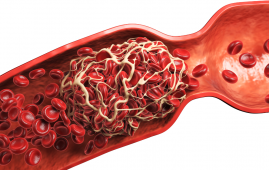 Coffee Consumption Linked to Lower Recurrent VTE Risk
Key points at a glance Study.
 Body Roundness Index Linked to Higher Heart Attack Risk
Key findings at a glance Study.
 Maternal Diet Fails to Reduce Infant Egg and Peanut Allergy
Key Points A large Australian randomized.
 Visual Impairment Linked to Higher Dementia Risk
Key findings at a glance A.
 Long-Acting HIV Treatment May Help Drug-Resistant Cases
Key Takeaways A UCSF study found.
 Night Shift Work Alters Key Circadian Gene Expression
A recent study published in Frontiers.
 Tirzepatide Weight Loss: Fat Mass and Muscle Findings
Key points Tirzepatide was associated with.
 Coffee and Gut Microbiome: Brewing and Metabolic Effects
Key Points Coffee contains caffeine, chlorogenic.
Leave a Comment