
Early Autism Detection Through Infant Movement Tracking

Early autism detection continues to pose difficulties despite known neurodevelopmental changes occurring before birth. Researchers at UCLA Health are investigating whether wearable movement sensors can help clinicians identify subtle motor abnormalities in infancy, often missed during routine pediatric evaluations.
Motor dysfunction, including impaired coordination and reduced variability in movement, frequently appears before language delays in children with autism spectrum disorder (ASD). However, these early indicators often go unrecognized in standard developmental screenings, which primarily assess gross motor milestones such as crawling and sitting.
Dr. Rujuta Wilson, pediatric neurologist and lead investigator, emphasizes that identifying these early motor signals can support timely referrals and targeted intervention strategies, critical factors influencing long-term cognitive and social outcomes.
The ongoing five-year study, funded by the National Institute of Neurological Disorders and Stroke, will recruit approximately 120 infants with a higher likelihood of ASD due to family history. Infants will wear soft, sensor-equipped bands on their wrists and ankles to continuously monitor movement patterns from ages 3 to 12 months.
These wearable sensors function similarly to fitness trackers, capturing high-resolution motion data in natural home environments. Assessments will occur every three months, alongside behavioral evaluations and follow-ups at 12 and 24 months for ASD diagnosis.
Researchers will apply machine learning algorithms to detect predictive movement signatures associated with developmental disorders. Prior pilot studies from the same research group have already demonstrated that reduced movement variability strongly correlates with later autism diagnosis.
Early detection of motor irregularities can significantly influence developmental trajectories. Untreated motor challenges may limit environmental exploration, restrict social interaction, and delay language acquisition.
This research aims to integrate wearable-based screening into routine pediatric visits, offering a scalable, data-driven approach to early autism surveillance. Importantly, most study procedures occur at home, improving accessibility and engagement for families.
If validated, this technology could shift clinical practice toward earlier, objective identification of at-risk infants, enabling prompt intervention and improved long-term outcomes.

 Epilepsy Drugs May Interact With Hormonal Contraceptives
Key points: Nearly one-third of people.
 Night Shift Work Alters Key Circadian Gene Expression
A recent study published in Frontiers.
 Tirzepatide Weight Loss: Fat Mass and Muscle Findings
Key points Tirzepatide was associated with.
 Coffee and Gut Microbiome: Brewing and Metabolic Effects
Key Points Coffee contains caffeine, chlorogenic.
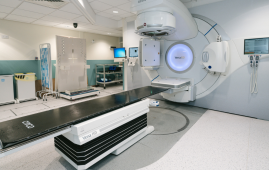 Low-Dose Radiation Therapy Shows Promise in Early Knee OA
Key Points Low-dose radiation therapy was.
 Oral Hormone Replacement Therapy Raises Blood Clot Risk
Key Points Oral hormone replacement therapy.
 GLP-1 Health Information: Quality, Completeness, & Engagement
Key Points A study assessed 128.
 DNA Damage Response May Drive Biological Aging
Key Points Chronic DNA damage response.
 Dietary Polyphenol Intake Associated With Lower MCI Odds
Key Points Older adults without mild.
 Maternal Diet Fails to Reduce Infant Egg and Peanut Allergy
Key Points A large Australian randomized.
Leave a Comment