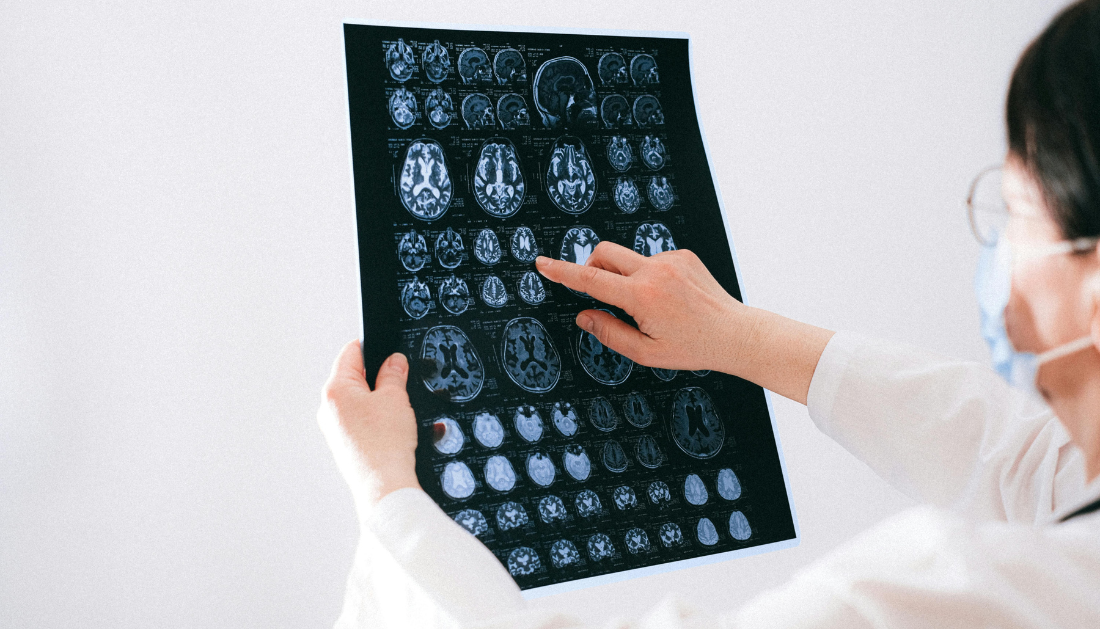
Facial Micromovements Could Transform Pain Assessment in Clinical Care

Facial micromovements may soon offer healthcare professionals a more objective way to assess pain, according to a new study published in Frontiers in Neuroscience. Researchers from Rutgers University–New Brunswick reported that subtle facial muscle fluctuations, undetectable to the naked eye, closely align with physiological pain responses.
Current pain assessment methods often rely on subjective self-reporting scales, such as asking patients to rate pain from one to ten. However, clinicians frequently encounter challenges when evaluating pain in nonverbal patients or individuals with impaired communication.
Led by psychology professor Elizabeth Torres and doctoral researcher Mona Elsayed, the study explored whether AI-based facial analysis could provide more individualized pain measurements.
“Our goal was to move beyond generalized pain scales and capture the body’s direct physiological response,” Torres explained.
The research team evaluated 45 adult participants during controlled pressure pain sessions. Facial activity was recorded while participants performed movement, touch, and memory-based tasks. Using artificial intelligence and video analytics, researchers tracked tiny facial micromovements alongside heart rate variability.
The findings showed a strong relationship between increasing pain intensity and irregular heart rhythms. Notably, the most significant facial changes appeared around the eyes.
Researchers observed that tactile activities, including drawing or object manipulation, strengthened the connection between facial micromovements and cardiac irregularities. In contrast, cognitively demanding tasks reduced visible pain-related responses, suggesting that mental engagement may partially suppress pain perception.
The study builds on earlier work from the Sensory Motor Integration Lab, which has previously investigated micromovement patterns in autism spectrum disorder, Parkinson’s disease, and other neurological conditions.
Investigators believe the technology could eventually assist clinicians in emergency medicine, neurology, geriatrics, rehabilitation, and long-term care settings. The system may prove especially valuable for pediatric patients, individuals with dementia, and stroke survivors who cannot effectively communicate pain levels.
Researchers are currently developing a smartphone-compatible platform through Neuroinversa LLC to help monitor treatment response and symptom progression remotely.
According to Torres, digital facial scanning combined with AI analysis could provide clinicians with real-time insights into medication effectiveness and individualized pain management strategies.
Although the study involved a relatively small sample size, the researchers reported strong statistical sensitivity. Larger studies involving chronic pain populations are expected to further validate the approach.

 Long-Acting HIV Treatment May Help Drug-Resistant Cases
Key Takeaways A UCSF study found.
 Epilepsy Drugs May Interact With Hormonal Contraceptives
Key points: Nearly one-third of people.
 Night Shift Work Alters Key Circadian Gene Expression
A recent study published in Frontiers.
 Tirzepatide Weight Loss: Fat Mass and Muscle Findings
Key points Tirzepatide was associated with.
 Coffee and Gut Microbiome: Brewing and Metabolic Effects
Key Points Coffee contains caffeine, chlorogenic.
 Low-Dose Radiation Therapy Shows Promise in Early Knee OA
Key Points Low-dose radiation therapy was.
 Oral Hormone Replacement Therapy Raises Blood Clot Risk
Key Points Oral hormone replacement therapy.
 GLP-1 Health Information: Quality, Completeness, & Engagement
Key Points A study assessed 128.
 DNA Damage Response May Drive Biological Aging
Key Points Chronic DNA damage response.
 Dietary Polyphenol Intake Associated With Lower MCI Odds
Key Points Older adults without mild.
Leave a Comment