
Cardiovascular Health in Early Adulthood Lowers Disease Risk

Cardiovascular health assessed over time, not just at a single point, offers a more accurate predictor of disease risk. Researchers analyzing 25 years of data from the Framingham Heart Study found that participants with higher cumulative LE8 scores experienced markedly lower rates of cardiovascular disease (CVD) and other chronic conditions.
The LE8 score (ranging from 0–100) integrates eight clinical and lifestyle parameters: body mass index, cholesterol, blood pressure, blood glucose, physical activity, diet, smoking status, and sleep quality. The study reported an average score of 65 among 3,231 participants.
Notably, individuals in the highest quartile of cumulative cardiovascular health had a 73% lower risk of CVD compared to those in the lowest quartile. These findings emphasize that sustained exposure to favorable risk factors significantly reduces long-term disease burden.
Unlike traditional single-time assessments, cumulative LE8 scoring captures both the duration and trajectory of cardiovascular health. Investigators calculated the area under the curve for LE8 scores across five exam cycles (1971–1995), along with the slope of change over time.
This dual approach provided deeper insight into how improving or declining health behaviors influence outcomes. Even when two individuals had similar cumulative scores, the one with a higher LE8 score at the end of 25 years had a lower future disease risk. This finding highlights the importance of maintaining or improving cardiovascular health into mid-adulthood.
For clinicians, integrating LE8 scoring into routine practice may support more personalized risk assessment and longitudinal patient monitoring.
The study reinforces the view that early adulthood is a critical window for cardiovascular prevention. Accumulated exposure to risk factors, such as hypertension, dyslipidemia, obesity, smoking, and poor sleep, drives long-term disease outcomes.
Routine use of LE8 scoring enables healthcare professionals to:
For HCPs and nurses, these findings support a proactive, longitudinal care model that prioritizes prevention over episodic treatment.
Published in JACC: Advances, the study was supported by the National Heart, Lung, and Blood Institute and underscores the clinical value of sustained health monitoring.

 Gamma Oscillations Restored in Alzheimer’s Disease Mice
Key takeaways Researchers restored parvalbumin (PV).
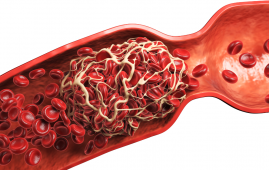 Coffee Consumption Linked to Lower Recurrent VTE Risk
Key points at a glance Study.
 Body Roundness Index Linked to Higher Heart Attack Risk
Key findings at a glance Study.
 Maternal Diet Fails to Reduce Infant Egg and Peanut Allergy
Key Points A large Australian randomized.
 Visual Impairment Linked to Higher Dementia Risk
Key findings at a glance A.
 Long-Acting HIV Treatment May Help Drug-Resistant Cases
Key Takeaways A UCSF study found.
 Night Shift Work Alters Key Circadian Gene Expression
A recent study published in Frontiers.
 Tirzepatide Weight Loss: Fat Mass and Muscle Findings
Key points Tirzepatide was associated with.
 Coffee and Gut Microbiome: Brewing and Metabolic Effects
Key Points Coffee contains caffeine, chlorogenic.
 Low-Dose Radiation Therapy Shows Promise in Early Knee OA
Key Points Low-dose radiation therapy was.
Leave a Comment