
Alzheimer’s Disease Driven by Cancer Gene Mutations

A groundbreaking study from Boston Children’s Hospital, published in Cell, reveals that cancer-linked mutations in Alzheimer’s disease may play a direct role in disease progression. Researchers led by Christopher Walsh identified mutations in microglia, the brain’s resident immune cells, that mirror those seen in blood cancers such as lymphoma and leukemia.
The team analyzed brain samples from Alzheimer’s patients and healthy controls, sequencing 149 cancer-associated genes. They found a significantly higher mutation burden in Alzheimer’s brains, particularly in five recurrent cancer driver genes. These findings suggest that Alzheimer’s pathology may share molecular mechanisms with oncology.
Interestingly, these mutations do not lead to tumor formation in the brain. Instead, they appear to alter immune cell behavior, contributing to neurodegeneration.
Microglia serve as the brain’s defense system, clearing debris and damaged cells. However, the study shows that mutated microglia may adopt a more inflammatory profile. This creates a hostile neural environment, accelerating neuronal damage and cognitive decline.
In a surprising discovery, researchers also detected identical cancer-linked mutations in blood samples from Alzheimer’s patients. This finding challenges the long-standing belief that microglia remain isolated within the brain.
The team proposes that age-related weakening of the blood-brain barrier allows mutated blood-derived immune cells to enter the brain. Once inside, these cells transform into microglia-like cells and proliferate, especially in response to protein aggregates, a hallmark of Alzheimer’s pathology.
These mutated cells may gain a selective advantage, dominating the immune response and intensifying inflammation, ultimately leading to neuronal loss.
This study introduces a new framework for understanding Alzheimer’s disease, linking it to somatic mutations typically associated with cancer. For clinicians, this opens two important avenues:
Follow-up research has already shown that these mutations increase Alzheimer’s risk independently of known genetic factors like APOE4, reinforcing their clinical significance.
As research progresses, this intersection between oncology and neurology could reshape how HCPs approach neurodegenerative disease management.

 Tirzepatide Weight Loss: Fat Mass and Muscle Findings
Key points Tirzepatide was associated with.
 Coffee and Gut Microbiome: Brewing and Metabolic Effects
Key Points Coffee contains caffeine, chlorogenic.
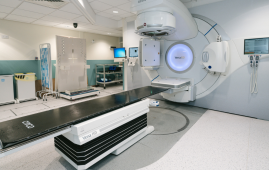 Low-Dose Radiation Therapy Shows Promise in Early Knee OA
Key Points Low-dose radiation therapy was.
 Oral Hormone Replacement Therapy Raises Blood Clot Risk
Key Points Oral hormone replacement therapy.
 GLP-1 Health Information: Quality, Completeness, & Engagement
Key Points A study assessed 128.
 DNA Damage Response May Drive Biological Aging
Key Points Chronic DNA damage response.
 Dietary Polyphenol Intake Associated With Lower MCI Odds
Key Points Older adults without mild.
 Maternal Diet Fails to Reduce Infant Egg and Peanut Allergy
Key Points A large Australian randomized.
 Psychedelic-Assisted Psychotherapy: Music in Treatment
Key Takeaways Psychedelic-assisted psychotherapy combines psychedelic.
 Cardiovascular Frailty Links Heart Health and Aging
Key Points Cardiovascular frailty may connect.
Leave a Comment