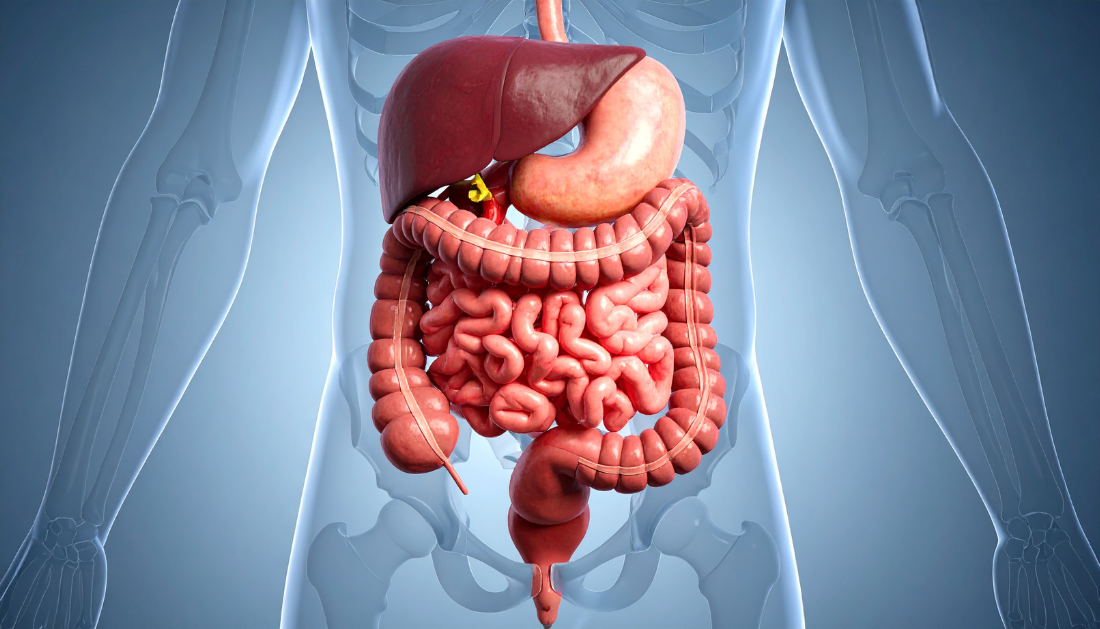
Gut Keystone Bacteria and Diet: New Microbiome Insights

A growing body of microbiome research is focusing on “gut keystone bacteria,” a small group of microbial species that play a major role in maintaining intestinal stability and metabolic balance. A recent review published in the Nature Publishing Group journal npj Biofilms and Microbiomes highlights how dietary strategies, probiotics, and prebiotics may help clinicians selectively support these high-impact microbes and potentially improve outcomes in microbiome-related diseases.
Researchers explained that keystone bacteria influence gut ecosystem structure far beyond their abundance. These organisms help regulate inflammation, microbial diversity, nutrient metabolism, and immune signaling. Disruptions in these microbial communities have been associated with obesity, metabolic disorders, inflammatory bowel disease, and neurological conditions.
The review evaluated several approaches used to identify keystone taxa. Disease association studies and co-occurrence network analyses remain common, but they often struggle to distinguish causation from correlation. Dynamic modeling approaches such as the Lotka-Volterra model provide additional insights into microbial interactions, though they face limitations when analyzing less abundant bacterial species.
Machine learning and deep learning tools are now emerging as promising methods for detecting complex microbial relationships. However, researchers noted that these systems require large, high-quality datasets and still need biological validation through laboratory and clinical studies.
Dietary composition significantly alters the gut environment, shaping which bacterial communities thrive. Protein-heavy diets increase luminal pH and favor bacteria such as Bacteroides and Proteobacteria. In contrast, fermentable fiber-rich diets stimulate short-chain fatty acid (SCFA) production, creating acidic conditions that support beneficial bacteria, including Lactobacillus and Bifidobacterium.
High-fat diets may increase dissolved oxygen levels within the gut, encouraging facultative anaerobes like Escherichia coli while suppressing beneficial obligate anaerobes. Researchers also noted that dietary nutrients influence microbial metabolite production, including bile acids and SCFAs, which directly affect host physiology.
The review highlighted several dietary models associated with microbiome modulation:
The review also examined next-generation probiotics (NGPs), including Christensenella minuta, Akkermansia muciniphila, and Faecalibacterium prausnitzii. These microbes may offer therapeutic benefits by reshaping microbial communities and reducing systemic inflammation.
In one randomized clinical trial, supplementation with inactivated A. muciniphila improved insulin sensitivity, reduced inflammation, and lowered cholesterol levels in overweight individuals. Researchers also observed improved glycated hemoglobin levels when probiotics were combined with calorie-restricted diets.
Despite promising findings, investigators emphasized that clinical translation remains complex. Successful microbiome therapies depend on bacterial viability, colonization efficiency, ecological compatibility, and dietary context.
As precision nutrition and microbiome science continue to intersect, experts believe evidence-based diet and probiotic interventions targeting gut keystone bacteria may become an important component of future disease prevention and management strategies.

 Gamma Oscillations Restored in Alzheimer’s Disease Mice
Key takeaways Researchers restored parvalbumin (PV).
 Coffee Consumption Linked to Lower Recurrent VTE Risk
Key points at a glance Study.
 Body Roundness Index Linked to Higher Heart Attack Risk
Key findings at a glance Study.
 Maternal Diet Fails to Reduce Infant Egg and Peanut Allergy
Key Points A large Australian randomized.
 Visual Impairment Linked to Higher Dementia Risk
Key findings at a glance A.
 Long-Acting HIV Treatment May Help Drug-Resistant Cases
Key Takeaways A UCSF study found.
 Night Shift Work Alters Key Circadian Gene Expression
A recent study published in Frontiers.
 Tirzepatide Weight Loss: Fat Mass and Muscle Findings
Key points Tirzepatide was associated with.
 Coffee and Gut Microbiome: Brewing and Metabolic Effects
Key Points Coffee contains caffeine, chlorogenic.
 Low-Dose Radiation Therapy Shows Promise in Early Knee OA
Key Points Low-dose radiation therapy was.
Leave a Comment