Malaria Vaccination Study Targets Parasites in the Liver Stage

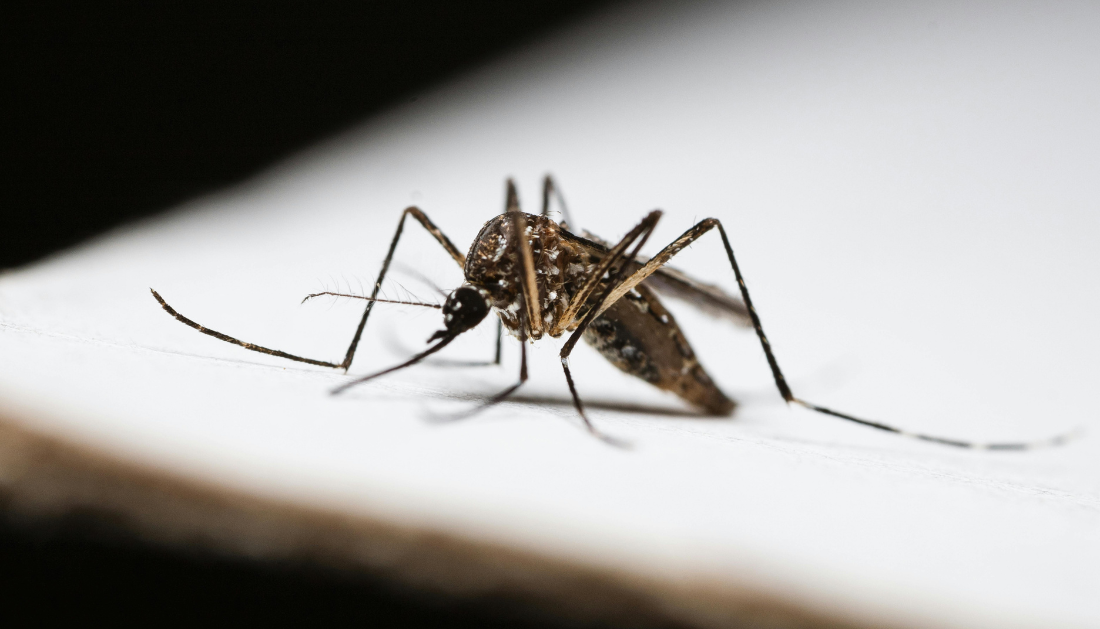
Malaria vaccination could take an unconventional direction by using controlled mosquito bites as repeated immune-boosting events. Researchers at WEHI in Melbourne, Australia, demonstrated a preclinical approach that combines small doses of mosquito-transmitted malaria parasites with investigational antimalarial compounds.
Published in Science, the study targeted the parasite during the late liver stage of malaria infection. At this point, the parasites had multiplied but had not yet entered the bloodstream to cause disease.
The researchers used WM382 and MK-7602, dual inhibitors of plasmepsin IX and X, enzymes that regulate parasite survival. These compounds arrested parasite development at this critical stage, allowing the immune system to encounter a broader range of malaria antigens without progressing to symptomatic disease.
The approach produced a multi-layered immune response despite using a relatively small parasite dose. Researchers observed antibody production alongside CD8+ T-cell responses, including liver-resident memory T cells that can rapidly respond to future infections.
This distinction could matter for malaria prevention because these immune cells remain positioned at the site where parasites initially develop after mosquito transmission. By stopping the parasite immediately before it causes bloodstream infection, the strategy may give the immune system a broader preview of potential threats.
In mice, the experimental vaccination strategy protected against malaria for up to two years during the study period. Researchers noted that this duration could correspond to two malaria seasons in real-world endemic settings.
The findings raise the possibility of a “vaccinate and boost naturally” model, in which repeated mosquito exposures could reinforce immunity in malaria-endemic communities.
The researchers stressed that the findings remain preclinical, and further studies must establish whether the strategy is safe, effective, and practical for humans. A long-acting injectable formulation based on the compounds is also in preclinical development.
With more than 600,000 malaria-related deaths reported annually and drug resistance complicating disease control, new prevention strategies remain a major priority. The conserved targets of WM382 and MK-7602 could protect multiple malaria species, although this requires clinical validation.
For infectious disease specialists, tropical medicine clinicians, vaccinologists, and researchers, the study highlights how chemovaccination could complement existing malaria prevention approaches by combining controlled parasite exposure with targeted drug-mediated protection.

 Body Roundness Index Linked to Higher Heart Attack Risk
Key findings at a glance Study.
 Maternal Diet Fails to Reduce Infant Egg and Peanut Allergy
Key Points A large Australian randomized.
 Visual Impairment Linked to Higher Dementia Risk
Key findings at a glance A.
 Long-Acting HIV Treatment May Help Drug-Resistant Cases
Key Takeaways A UCSF study found.
 Night Shift Work Alters Key Circadian Gene Expression
A recent study published in Frontiers.
 Tirzepatide Weight Loss: Fat Mass and Muscle Findings
Key points Tirzepatide was associated with.
 Coffee and Gut Microbiome: Brewing and Metabolic Effects
Key Points Coffee contains caffeine, chlorogenic.
 Low-Dose Radiation Therapy Shows Promise in Early Knee OA
Key Points Low-dose radiation therapy was.
 Oral Hormone Replacement Therapy Raises Blood Clot Risk
Key Points Oral hormone replacement therapy.
 GLP-1 Health Information: Quality, Completeness, & Engagement
Key Points A study assessed 128.
Leave a Comment