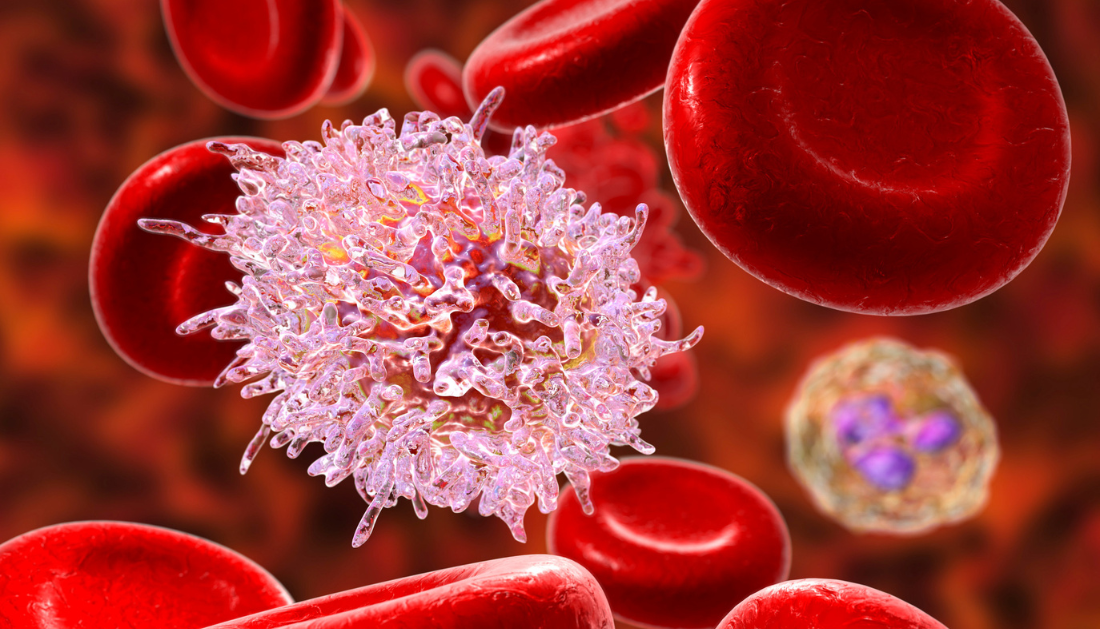
Autophagy Therapy Shows Promise in Gastric Cancer Resistance

Drug resistance remains a major challenge in the treatment of cisplatin-resistant gastric cancer, limiting the long-term success of one of the most widely used chemotherapy agents for advanced gastric malignancies. A recent review highlights autophagy modulation as a promising therapeutic approach that could improve chemotherapy sensitivity and reduce resistance, offering new opportunities for oncologists managing difficult-to-treat cases.
Autophagy is a natural cellular process that removes damaged proteins and organelles while maintaining cellular balance. In gastric cancer, however, this process has a complex role. Depending on the tumor environment, autophagy may either protect cancer cells from chemotherapy or contribute to their destruction. This dual function makes careful regulation of autophagy an important area of investigation for improving treatment outcomes.
The review explains that cisplatin resistance develops through multiple biological mechanisms, including enhanced DNA repair, reduced apoptosis, alterations in the tumor microenvironment, and changes in cellular signaling pathways. Increasing evidence suggests that autophagy interacts with many of these resistance mechanisms, making it an attractive therapeutic target.
Researchers summarized evidence supporting several approved medications that may improve cisplatin effectiveness by regulating autophagy. These include diclofenac, metformin, chloroquine, omeprazole, ubenimex, and bortezomib. Depending on the biological context, these agents may either stimulate cancer-killing autophagy or suppress the protective form of autophagy that enables tumor survival during chemotherapy.
The review also highlights natural compounds such as glycyrrhizin, baicalein, red ginseng polysaccharide, and α-mangosteen as potential candidates for combination therapy. Although many findings remain in the preclinical stage, these compounds continue to generate interest for their ability to influence autophagy-related pathways.
Beyond drug-based approaches, researchers identified several molecular regulators of autophagy, including signaling pathways, transcription factors, microRNAs, and proteins involved in tumor survival. These targets may support the development of precision therapies designed to restore chemotherapy sensitivity while limiting further resistance.
The review also emphasizes the value of combining autophagy modulation with immunotherapy, radiotherapy, and precision oncology strategies. Matching treatment to the biological characteristics of individual tumors may improve outcomes for patients whose cancers no longer respond to conventional chemotherapy.
As research continues, autophagy-targeted therapies could become an important addition to the treatment landscape for cisplatin-resistant gastric cancer. Further clinical studies will determine how these strategies can be integrated into routine oncology practice and whether they can deliver more durable responses for patients facing chemotherapy resistance.

 Long-Acting HIV Treatment May Help Drug-Resistant Cases
Key Takeaways A UCSF study found.
 Night Shift Work Alters Key Circadian Gene Expression
A recent study published in Frontiers.
 Tirzepatide Weight Loss: Fat Mass and Muscle Findings
Key points Tirzepatide was associated with.
 Coffee and Gut Microbiome: Brewing and Metabolic Effects
Key Points Coffee contains caffeine, chlorogenic.
 Low-Dose Radiation Therapy Shows Promise in Early Knee OA
Key Points Low-dose radiation therapy was.
 Oral Hormone Replacement Therapy Raises Blood Clot Risk
Key Points Oral hormone replacement therapy.
 GLP-1 Health Information: Quality, Completeness, & Engagement
Key Points A study assessed 128.
 DNA Damage Response May Drive Biological Aging
Key Points Chronic DNA damage response.
 Maternal Diet Fails to Reduce Infant Egg and Peanut Allergy
Key Points A large Australian randomized.
 Psychedelic-Assisted Psychotherapy: Music in Treatment
Key Takeaways Psychedelic-assisted psychotherapy combines psychedelic.
Leave a Comment