Childhood Epilepsy Linked to Lower Educational Achievement

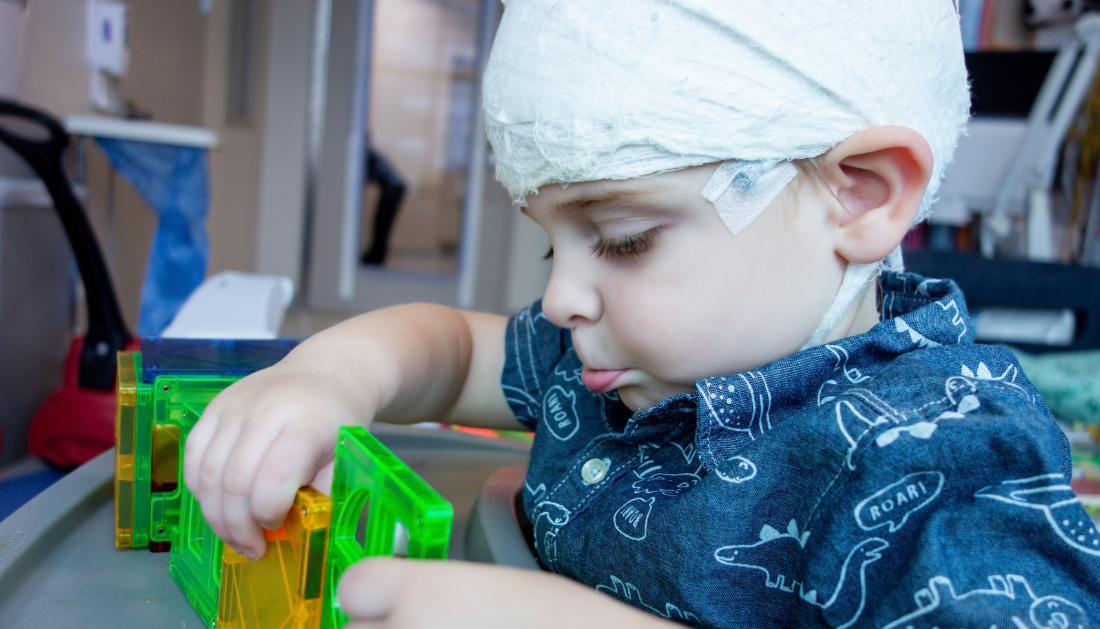
Childhood epilepsy is associated with poorer academic performance and lower long-term educational attainment, with the greatest educational disadvantage seen among children whose epilepsy begins early in life or occurs with other neurological or psychiatric conditions. A large Danish population-based study published online in the Journal of Neurology, Neurosurgery & Psychiatry highlights the need for early academic assessment and coordinated educational and psychosocial support.
Researchers analyzed national registry data from 1,195,138 children born in Denmark between 1987 and 2005, following educational outcomes through 2023. Among them, 11,758 children received an epilepsy diagnosis before age 15.
Approximately 12% of children with epilepsy did not complete first-level schooling, compared with 4% of those without epilepsy. After adjustment for potentially influential factors, childhood epilepsy was associated with a threefold higher likelihood of failing to complete this level of education by age 17.
The educational gap also appeared in examination performance. Children with epilepsy achieved lower grades in mathematics and languages, and differences remained evident across later educational stages.
At age 35, nearly 9.5% of individuals with childhood epilepsy had attained the highest level of education, compared with 19.5% of those without epilepsy.
The study identified particularly vulnerable groups. Children with early-onset or complicated epilepsy had substantially poorer educational outcomes, while generalized epilepsy was associated with greater disadvantage than focal epilepsy, particularly regarding higher education.
Coexisting psychiatric disorders, intellectual disability, and autism spectrum disorder were also associated with reduced educational attainment. Girls with epilepsy had nearly four times the odds of not completing first-level schooling, compared with approximately 2.5 times the odds among boys.
The researchers caution that the observational design cannot establish that epilepsy directly causes poorer educational achievement. The study also lacked detailed information about seizure frequency, seizure control, and antiseizure medication use.
The findings suggest that educational achievement should form part of comprehensive childhood epilepsy care. Clinicians, nurses, psychologists, families, and schools can work together to monitor attendance, identify learning difficulties early, address psychiatric comorbidities, and arrange timely neuropsychological assessment.
The accompanying editorial emphasizes that academic achievement reflects more than cognitive ability. School attendance, treatment burden, stigma, family expectations, psychological health, and social circumstances can all influence educational trajectories.
For HCPs caring for children with epilepsy, early recognition of educational risk and coordinated support may help protect learning opportunities throughout childhood and adolescence.

 Gamma Oscillations Restored in Alzheimer’s Disease Mice
Key takeaways Researchers restored parvalbumin (PV).
 Coffee Consumption Linked to Lower Recurrent VTE Risk
Key points at a glance Study.
 Body Roundness Index Linked to Higher Heart Attack Risk
Key findings at a glance Study.
 Maternal Diet Fails to Reduce Infant Egg and Peanut Allergy
Key Points A large Australian randomized.
 Visual Impairment Linked to Higher Dementia Risk
Key findings at a glance A.
 Long-Acting HIV Treatment May Help Drug-Resistant Cases
Key Takeaways A UCSF study found.
 Epilepsy Drugs May Interact With Hormonal Contraceptives
Key points: Nearly one-third of people.
 Night Shift Work Alters Key Circadian Gene Expression
A recent study published in Frontiers.
 Tirzepatide Weight Loss: Fat Mass and Muscle Findings
Key points Tirzepatide was associated with.
 Coffee and Gut Microbiome: Brewing and Metabolic Effects
Key Points Coffee contains caffeine, chlorogenic.
Leave a Comment