Melanoma Research Reveals Macrophages Killing Cancer Cells

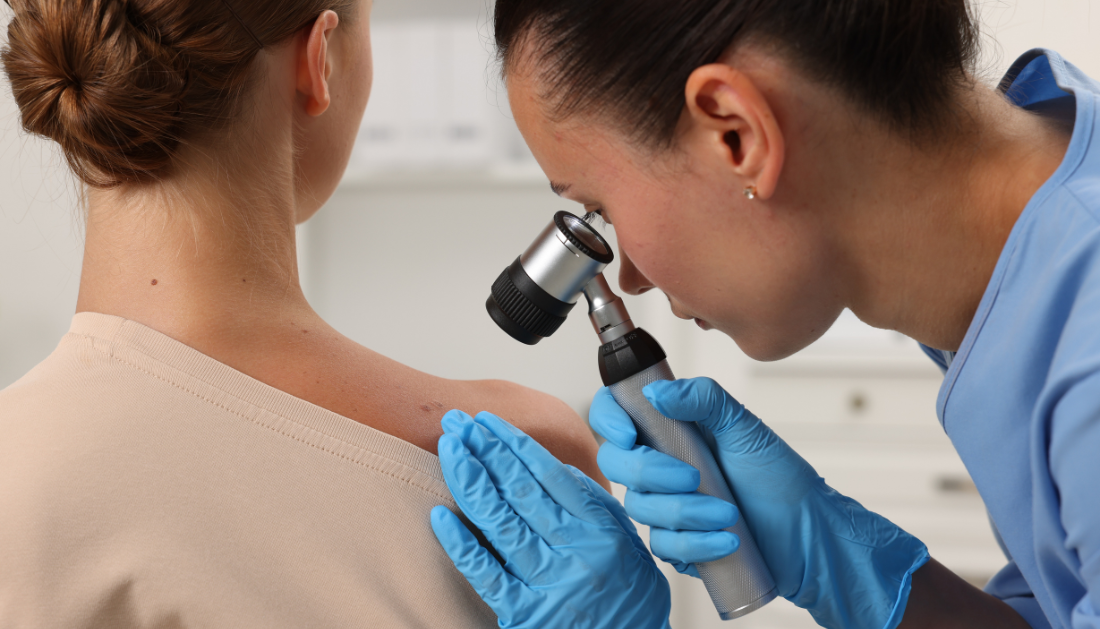
Researchers from the Garvan Institute of Medical Research have identified a specialized group of macrophages capable of directly attacking live melanoma cells, offering a potential new direction for melanoma immunotherapy. Published in the Journal of Experimental Medicine, the study provides the first real-time evidence of macrophages engulfing living cancer cells within melanoma tumors.
Using intravital two-photon microscopy, investigators observed CD169-positive macrophages patrolling tumor margins and physically consuming live melanoma cells in mouse models. Researchers also confirmed the presence of these immune cells in human melanoma tissue samples, supporting the clinical relevance of the findings.
Lead author Dr. Yuki Keith noted that the imaging data revealed macrophages actively restricting tumor growth rather than only clearing dead cellular debris, a role traditionally associated with these immune cells.
Macrophages account for nearly 30% of cells within melanoma tumors, but their exact role in cancer progression has remained unclear. The research team identified a protective macrophage subgroup marked by the CD169 protein. When these macrophages were selectively depleted, melanoma tumors grew larger, suggesting they play a critical role in tumor control.
Senior investigator Professor Tri Phan explained that the immune response appeared independent of T cells and B cells, making the discovery particularly important for difficult-to-treat melanoma cases.
The findings may have implications for immune checkpoint inhibitors, which currently benefit only a subset of patients with advanced melanoma. Tumors classified as “immune cold” often exclude T cells, limiting the effectiveness of current immunotherapies.
Researchers believe CD169-positive macrophages may help overcome this barrier by consuming melanoma cells and presenting tumor fragments as immune warning signals that recruit T cells into the tumor microenvironment.
The study highlights the growing importance of advanced live-cell imaging technologies in oncology research. By visualizing macrophage behavior inside living tissue, scientists gained new insight into early anti-tumor immune responses that standard laboratory techniques may miss.
The research team is now investigating how these macrophages communicate with T cells and whether future therapies could enhance their anti-cancer activity. Potential strategies may include increasing macrophage numbers, improving their cancer-targeting function, or combining macrophage-focused therapies with existing checkpoint inhibitors.
Investigators also believe the discovery may extend beyond melanoma, as macrophages are abundant across many solid tumors, including lung, breast, and colorectal cancers.

 Long-Acting HIV Treatment May Help Drug-Resistant Cases
Key Takeaways A UCSF study found.
 Night Shift Work Alters Key Circadian Gene Expression
A recent study published in Frontiers.
 Tirzepatide Weight Loss: Fat Mass and Muscle Findings
Key points Tirzepatide was associated with.
 Coffee and Gut Microbiome: Brewing and Metabolic Effects
Key Points Coffee contains caffeine, chlorogenic.
 Low-Dose Radiation Therapy Shows Promise in Early Knee OA
Key Points Low-dose radiation therapy was.
 Oral Hormone Replacement Therapy Raises Blood Clot Risk
Key Points Oral hormone replacement therapy.
 GLP-1 Health Information: Quality, Completeness, & Engagement
Key Points A study assessed 128.
 DNA Damage Response May Drive Biological Aging
Key Points Chronic DNA damage response.
 Maternal Diet Fails to Reduce Infant Egg and Peanut Allergy
Key Points A large Australian randomized.
 Psychedelic-Assisted Psychotherapy: Music in Treatment
Key Takeaways Psychedelic-assisted psychotherapy combines psychedelic.
Leave a Comment