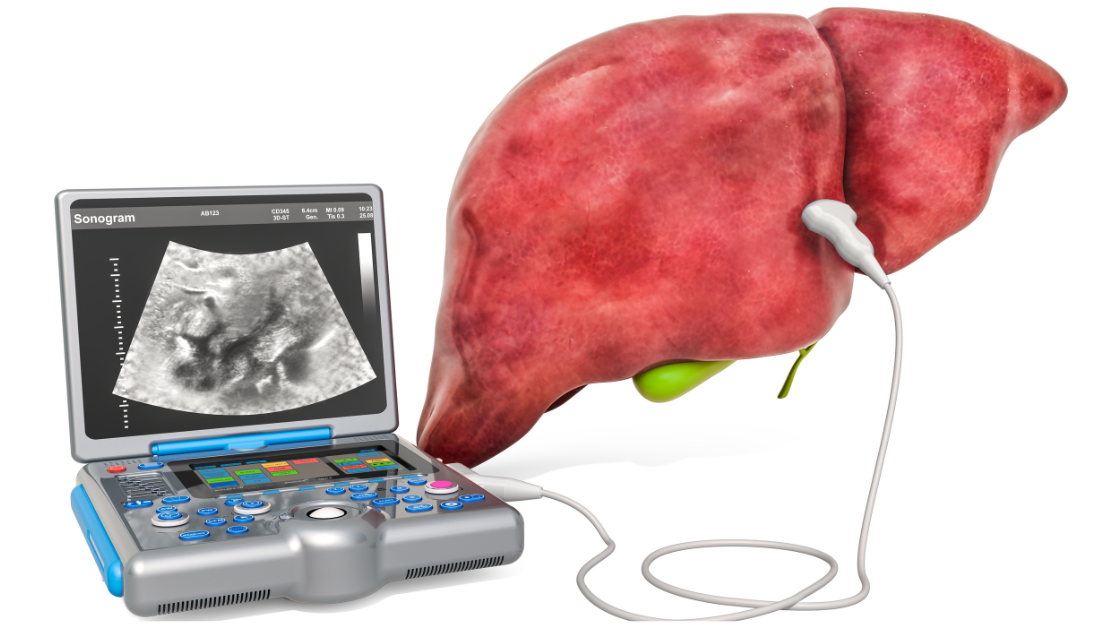
Chronic Liver Disease in Europe: Lancet Report Warns of Rising Health Burden

Chronic liver disease is becoming one of Europe’s most pressing public health concerns, according to a new Series published in The Lancet Regional Health – Europe. Led by the Barcelona Institute for Global Health (ISGlobal), the report gathered contributions from more than 75 experts across 30 countries.
The report identifies chronic liver disease as the second leading cause of years of working life lost in Europe, behind only ischemic heart disease. Researchers warn that liver disease increasingly affects working-age adults, particularly men and socially disadvantaged populations.
The Series points to metabolic dysfunction-associated steatotic liver disease (MASLD) as a rapidly growing contributor to liver-related illness. Experts estimate that nearly one in three individuals in the EU and UK currently live with MASLD, which has emerged as a major driver of liver cancer.
Alcohol consumption also remains a significant concern. Europe continues to report the world’s highest per-person alcohol intake and heavy episodic drinking rates. Researchers estimate that alcohol contributes to nearly 40% of Europe’s 287,000 premature liver-related deaths each year.
The report further highlights the combined impact of obesity, diabetes, sedentary lifestyles, unhealthy diets, and viral hepatitis infections on liver health outcomes. Hepatitis B and C remain responsible for a substantial proportion of infectious disease-related deaths across Europe.
Healthcare leaders involved in the report emphasized that liver disease should no longer remain confined to hepatology services alone. Instead, they recommend integrating liver health assessments into primary care and broader non-communicable disease strategies.
The authors recommend:
Patient advocates involved in the report also stressed that stigma and judgment continue to delay diagnosis and reduce engagement with healthcare services.
Researchers believe earlier diagnosis through non-invasive fibrosis testing and community screening could significantly reduce progression to cirrhosis, liver cancer, and premature death.
The Series was released ahead of the European Association for the Study of the Liver Congress in Barcelona, where experts are expected to discuss new prevention and liver disease management strategies for Europe’s growing healthcare burden.

 Gamma Oscillations Restored in Alzheimer’s Disease Mice
Key takeaways Researchers restored parvalbumin (PV).
 Coffee Consumption Linked to Lower Recurrent VTE Risk
Key points at a glance Study.
 Body Roundness Index Linked to Higher Heart Attack Risk
Key findings at a glance Study.
 Maternal Diet Fails to Reduce Infant Egg and Peanut Allergy
Key Points A large Australian randomized.
 Visual Impairment Linked to Higher Dementia Risk
Key findings at a glance A.
 Long-Acting HIV Treatment May Help Drug-Resistant Cases
Key Takeaways A UCSF study found.
 Night Shift Work Alters Key Circadian Gene Expression
A recent study published in Frontiers.
 Tirzepatide Weight Loss: Fat Mass and Muscle Findings
Key points Tirzepatide was associated with.
 Coffee and Gut Microbiome: Brewing and Metabolic Effects
Key Points Coffee contains caffeine, chlorogenic.
 Low-Dose Radiation Therapy Shows Promise in Early Knee OA
Key Points Low-dose radiation therapy was.
Leave a Comment