Physical Activity Guidelines: Why Walking Falls Short

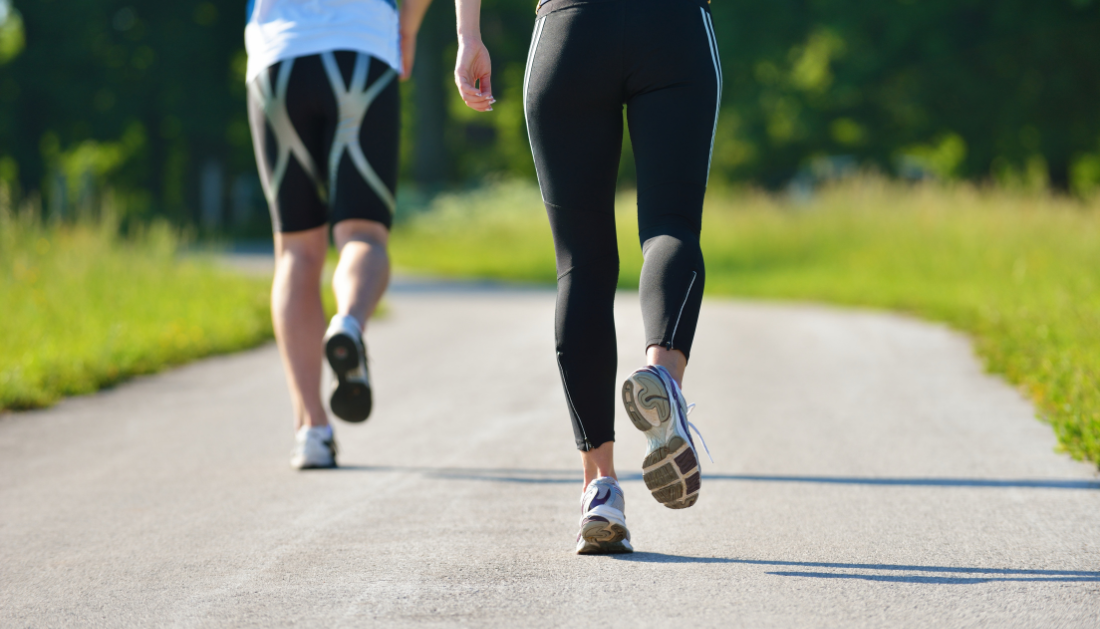
Despite widespread engagement in walking, adherence to physical activity guidelines remains suboptimal among U.S. adults, according to a new study published in PLOS One. The research, led by Christiaan Abildso from West Virginia University, analyzed data from over 396,000 adults, offering critical insights for clinicians and public health professionals.
Walking emerged as the dominant leisure-time activity, with 44.1% of respondents identifying it as their primary exercise. However, the study reveals a concerning gap: only one in four walkers met the combined recommendations set by the U.S. Department of Health and Human Services.
These guidelines recommend:
Alarmingly, 22% of individuals who primarily walk did not meet either recommendation. For healthcare providers, this highlights a key clinical takeaway—walking alone may not be sufficient to meet comprehensive fitness targets, particularly when muscle-strengthening components are missing.
The study identifies clear differences in urban vs rural physical activity patterns:
Urban residents were significantly more likely to meet the recommended activity levels, while rural adults had higher rates of inactivity. These disparities may reflect differences in infrastructure, access to fitness resources, and cultural norms.
From a population health perspective, these findings reinforce the need for context-specific interventions. For example, enhancing safe walking and cycling infrastructure in rural areas or integrating strength-based activities into community programs could improve outcomes.
For HCPs and allied health professionals, this study underscores the importance of personalized physical activity counseling. Simply recommending walking may not be adequate.
Key strategies include:
The researchers also emphasize reassessing trends post-COVID-19 pandemic, as behavioral patterns may have shifted.
As physical activity patterns continue to show gaps between participation and guideline adherence, especially across rural and urban populations, the role of healthcare professionals becomes increasingly critical. Encouraging a balanced approach that combines aerobic and muscle-strengthening activities, while considering patient environment and access, can help bridge these gaps. Strengthening community-level support and promoting evidence-based interventions will be key to improving overall population health outcomes.

 Long-Acting HIV Treatment May Help Drug-Resistant Cases
Key Takeaways A UCSF study found.
 Night Shift Work Alters Key Circadian Gene Expression
A recent study published in Frontiers.
 Tirzepatide Weight Loss: Fat Mass and Muscle Findings
Key points Tirzepatide was associated with.
 Coffee and Gut Microbiome: Brewing and Metabolic Effects
Key Points Coffee contains caffeine, chlorogenic.
 Low-Dose Radiation Therapy Shows Promise in Early Knee OA
Key Points Low-dose radiation therapy was.
 Oral Hormone Replacement Therapy Raises Blood Clot Risk
Key Points Oral hormone replacement therapy.
 GLP-1 Health Information: Quality, Completeness, & Engagement
Key Points A study assessed 128.
 DNA Damage Response May Drive Biological Aging
Key Points Chronic DNA damage response.
 Dietary Polyphenol Intake Associated With Lower MCI Odds
Key Points Older adults without mild.
 Maternal Diet Fails to Reduce Infant Egg and Peanut Allergy
Key Points A large Australian randomized.
Leave a Comment