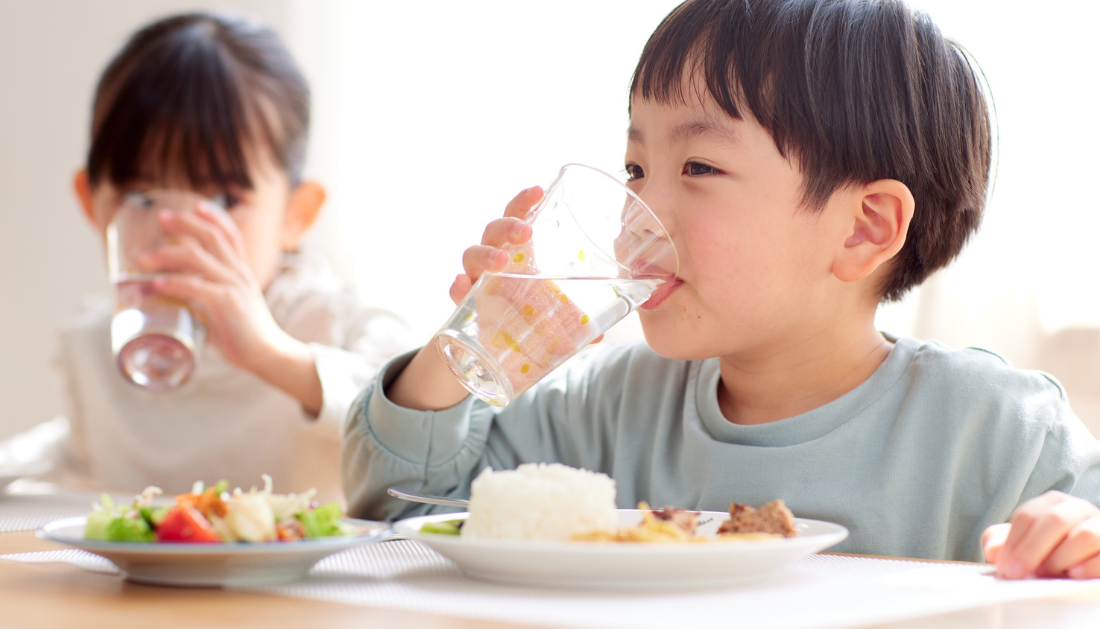
Drinking Water During Meals: What HCPs Should Know

For years, drinking water with meals has been promoted as a simple strategy to promote fullness and reduce calorie intake. However, new research published in Appetite suggests the relationship between mealtime hydration and eating behavior may be more complex than previously thought. Researchers found that greater water consumption during meals was associated with higher food and energy intake, challenging a widely accepted dietary recommendation.
The findings also showed that people who alternated more frequently between bites of food and sips of water tended to consume larger meals. While these observations raise important questions about eating behavior, the investigators stress that the study demonstrates associations rather than cause-and-effect relationships.
Researchers conducted a secondary analysis of two randomized crossover studies involving 86 adults who consumed mild and spicy versions of beef chili or chicken tikka masala. Participants were served meals with water available ad libitum while their eating and drinking behaviors were video recorded.
Across 172 meals, participants drank an average of 236 g of water and switched between bites and sips approximately 8.5 times per meal.
Key Findings for Healthcare Professionals
These findings suggest that water intake and food consumption may be linked through behavioral factors rather than stomach fullness alone.
Researchers proposed several possible mechanisms. Water may reduce oral sensations linked to thirst that normally suppress eating, allowing individuals to continue consuming food. It may also lubricate food, making swallowing easier and extending meal duration.
Another hypothesis is that alternating between food and water creates changing sensory experiences in the mouth, potentially delaying sensory-specific satiety. However, the study did not directly measure these biological processes, making these explanations speculative.
Importantly, participants who drank more water reported feeling fuller after meals, even though they also consumed more food.
Although these results question the assumption that mealtime water consumption consistently limits calorie intake, they should not be interpreted as evidence that drinking water during meals causes overeating. The study evaluated moist, laboratory-prepared meals in a relatively small and homogeneous population, limiting generalizability.
For physicians, dietitians, nurses, and obesity specialists, the findings highlight the importance of considering eating behaviors, including drinking patterns, alongside nutritional recommendations. Future randomized trials are needed to determine whether modifying water intake or bite-to-sip switching can meaningfully influence appetite regulation and weight management.

 Long-Acting HIV Treatment May Help Drug-Resistant Cases
Key Takeaways A UCSF study found.
 Night Shift Work Alters Key Circadian Gene Expression
A recent study published in Frontiers.
 Tirzepatide Weight Loss: Fat Mass and Muscle Findings
Key points Tirzepatide was associated with.
 Coffee and Gut Microbiome: Brewing and Metabolic Effects
Key Points Coffee contains caffeine, chlorogenic.
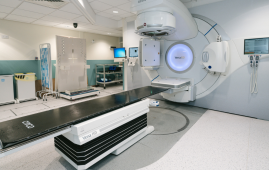 Low-Dose Radiation Therapy Shows Promise in Early Knee OA
Key Points Low-dose radiation therapy was.
 Oral Hormone Replacement Therapy Raises Blood Clot Risk
Key Points Oral hormone replacement therapy.
 GLP-1 Health Information: Quality, Completeness, & Engagement
Key Points A study assessed 128.
 DNA Damage Response May Drive Biological Aging
Key Points Chronic DNA damage response.
 Dietary Polyphenol Intake Associated With Lower MCI Odds
Key Points Older adults without mild.
 Maternal Diet Fails to Reduce Infant Egg and Peanut Allergy
Key Points A large Australian randomized.
Leave a Comment