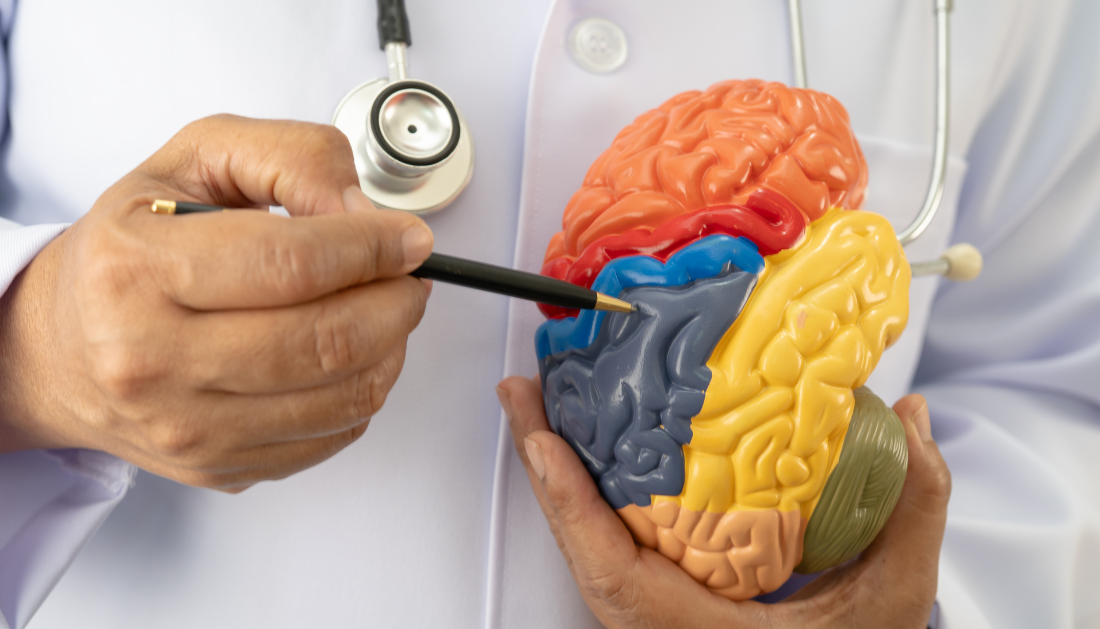
Brain Categorization: A Predictive Processing Framework for Perception

A recent review published in Nature Reviews Neuroscience challenges long-standing cognitive models by proposing that brain categorization is a continuous, predictive process rather than a final step in perception.
Cognitive scientists Lisa Feldman Barrett and Earl K. Miller argue that the brain does not passively receive sensory input and then classify it. Instead, it actively predicts and constructs meaning based on prior experiences and physiological needs.
Traditionally, categorization was thought to occur after the brain processed sensory features and compared them with stored prototypes. However, this new framework suggests that predictive processing in neuroscience begins even before sensory signals are fully interpreted.
The brain prepares action plans in advance, using past experiences to generate “categories” that guide perception. For instance, encountering a dog may trigger different behavioral responses depending on context, whether avoidance or engagement, based on predicted outcomes rather than fixed memory templates.
From a neurobiological perspective:
This architecture highlights that perception is not reactive but goal-directed and anticipatory.
Understanding brain categorization mechanisms has significant implications for clinical practice:
This perspective aligns with the concept of allostasis, where the brain continuously predicts and regulates bodily needs for optimal functioning.
For healthcare professionals, this paradigm shift in cognitive neuroscience underscores the importance of considering perception as an active, predictive process. It opens new avenues for:
A CME/CE-accredited hybrid conference featuring expert-led sessions, case-based discussions, and networking opportunities designed to improve patient outcomes.

 Gamma Oscillations Restored in Alzheimer’s Disease Mice
Key takeaways Researchers restored parvalbumin (PV).
 Coffee Consumption Linked to Lower Recurrent VTE Risk
Key points at a glance Study.
 Body Roundness Index Linked to Higher Heart Attack Risk
Key findings at a glance Study.
 Maternal Diet Fails to Reduce Infant Egg and Peanut Allergy
Key Points A large Australian randomized.
 Visual Impairment Linked to Higher Dementia Risk
Key findings at a glance A.
 Long-Acting HIV Treatment May Help Drug-Resistant Cases
Key Takeaways A UCSF study found.
 Epilepsy Drugs May Interact With Hormonal Contraceptives
Key points: Nearly one-third of people.
 Night Shift Work Alters Key Circadian Gene Expression
A recent study published in Frontiers.
 Tirzepatide Weight Loss: Fat Mass and Muscle Findings
Key points Tirzepatide was associated with.
 Coffee and Gut Microbiome: Brewing and Metabolic Effects
Key Points Coffee contains caffeine, chlorogenic.
Leave a Comment