
Strength Training Linked to Lower Risk of Death: 30-Year Study

A large-scale study published in the British Journal of Sports Medicine suggests that strength training for 90 to 120 minutes per week may offer significant protection against premature death. The findings, based on three decades of follow-up data, reinforce the importance of resistance exercise alongside aerobic activity for long-term health.
Researchers analyzed data from 147,374 participants enrolled in the Health Professionals Follow-up Study and the Nurses’ Health Studies. Participants reported their weekly levels of aerobic activity and strength training every two years for up to 30 years.
The study identified a clear association between weekly training and reduced mortality. Individuals who performed 90–119 minutes of resistance training per week experienced a:
Interestingly, researchers found no evidence of additional mortality reduction when weekly resistance training exceeded 120 minutes.
Strength training activities included weightlifting and bodyweight exercises such as squats, lunges, and push-ups.
The most substantial benefits emerged when participants combined aerobic exercise and resistance training.
Compared with individuals who performed neither recommended aerobic activity nor strength training, those who engaged in both forms of exercise experienced markedly lower mortality risks. Participants achieving 30–44 MET hours of aerobic activity weekly alongside 60–119 minutes of strength training had a 45% lower risk of death.
Even greater benefits were observed among those reporting more than 45 MET hours of aerobic exercise per week, with mortality risks reduced by 53% to 58%, regardless of resistance training volume.
Aerobic activities included brisk walking, running, swimming, cycling, stair climbing, and racket sports.
The findings support current physical activity guidelines that encourage a combination of resistance training and aerobic exercise for optimal health outcomes.
Researchers also noted a potential association between lower levels of training and reduced cancer mortality risk. Participants performing 1–29 minutes of strength training weekly showed a 21% lower cancer mortality risk, while those completing 30–59 minutes experienced an 18% reduction.
As an observational study, the research cannot establish causation. Limitations include self-reported exercise data, lack of intensity measurements, and exclusion of some strength-focused activities such as Pilates and calisthenics.
Nevertheless, the findings provide valuable evidence that a balanced exercise strategy may contribute to reduced mortality and improved long-term health. For clinicians, nurses, and allied healthcare professionals, the study highlights the importance of incorporating resistance exercise recommendations into preventive care discussions and patient counseling.

 Gamma Oscillations Restored in Alzheimer’s Disease Mice
Key takeaways Researchers restored parvalbumin (PV).
 Body Roundness Index Linked to Higher Heart Attack Risk
Key findings at a glance Study.
 Long-Acting HIV Treatment May Help Drug-Resistant Cases
Key Takeaways A UCSF study found.
 Coffee and Gut Microbiome: Brewing and Metabolic Effects
Key Points Coffee contains caffeine, chlorogenic.
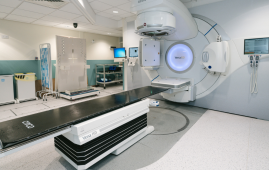 Low-Dose Radiation Therapy Shows Promise in Early Knee OA
Key Points Low-dose radiation therapy was.
 GLP-1 Health Information: Quality, Completeness, & Engagement
Key Points A study assessed 128.
 DNA Damage Response May Drive Biological Aging
Key Points Chronic DNA damage response.
 Psychedelic-Assisted Psychotherapy: Music in Treatment
Key Takeaways Psychedelic-assisted psychotherapy combines psychedelic.
 Cardiovascular Frailty Links Heart Health and Aging
Key Points Cardiovascular frailty may connect.
 Laser Blended Vision: Simple Test Predicts Success
Key Points A simple phoropter-based test.
Leave a Comment