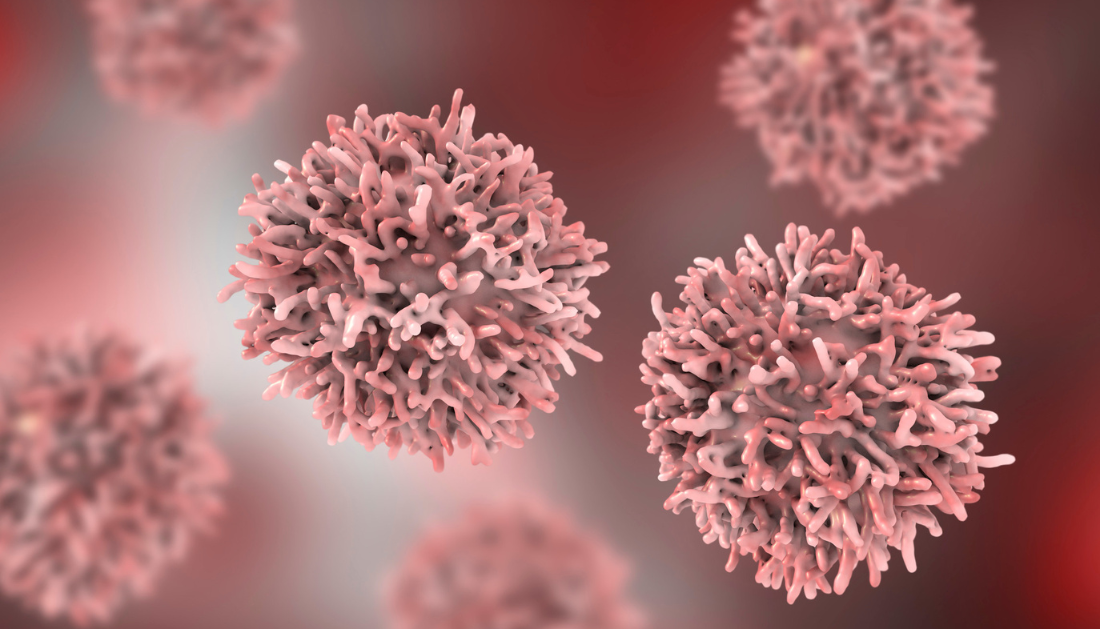
Allergic Diseases and Cancer Risk: New Meta-Analysis Findings

The long-debated relationship between allergic diseases and cancer risk continues to draw attention after a new meta-analysis published in Scientific Reports found a modest but statistically significant association between allergies and future cancer incidence. While previous studies suggested allergies might strengthen immune surveillance against tumors, the latest evidence indicates that the relationship is more complex than previously thought.
Researchers reviewed data from 28 cohort studies published between 1999 and 2024 involving populations across the United States, Sweden, Taiwan, the United Kingdom, Denmark, Australia, Finland, and South Korea. The analysis focused on individuals diagnosed with allergic diseases before developing cancer, allowing investigators to better evaluate long-term cancer risk.
Using a random-effects model, researchers found that allergic diseases were associated with a 7% increase in overall cancer incidence (OR 1.07; 95% CI: 1.03–1.11). Although statistically significant, investigators emphasized that the increase remains relatively small and should not immediately influence clinical decision-making.
Among all allergy subtypes evaluated, asthma emerged as the only condition significantly associated with increased cancer risk. Individuals with asthma demonstrated an 18% higher likelihood of developing cancer (OR 1.18; 95% CI: 1.10–1.28) compared with those without asthma.
In contrast, hay fever, atopic dermatitis, and other atopic allergic conditions did not demonstrate statistically significant associations with overall cancer incidence.
The analysis also identified varying associations across specific cancers. Increased risks were reported for lung, kidney, thyroid, testicular, and hematological cancers, while colorectal and uterine cancers demonstrated an inverse relationship with allergic diseases. Several additional cancers, including breast, ovarian, prostate, liver, cervical, endocrine, skin, and upper aerodigestive tract cancers, were evaluated, although many findings did not reach statistical significance because of limited available data.
One of the most notable findings was the regional variation. A significant association between allergies and cancer incidence was observed only in the Western Pacific region (OR 1.65), whereas studies from Europe and the Americas showed no statistically significant relationship.
Researchers also noted substantial heterogeneity across studies, including differences in allergy definitions, patient populations, environmental exposures, and cancer classifications. Potential confounding factors, particularly corticosteroid use among patients with asthma, may also have influenced the observed associations.
For healthcare professionals, these findings reinforce that allergic diseases should not currently be considered either protective against or definitive predictors of cancer. Instead, the study highlights the importance of continued research to identify patient subgroups that may benefit from more personalized cancer risk assessment and surveillance strategies.

 Gamma Oscillations Restored in Alzheimer’s Disease Mice
Key takeaways Researchers restored parvalbumin (PV).
 Coffee Consumption Linked to Lower Recurrent VTE Risk
Key points at a glance Study.
 Body Roundness Index Linked to Higher Heart Attack Risk
Key findings at a glance Study.
 Maternal Diet Fails to Reduce Infant Egg and Peanut Allergy
Key Points A large Australian randomized.
 Visual Impairment Linked to Higher Dementia Risk
Key findings at a glance A.
 Long-Acting HIV Treatment May Help Drug-Resistant Cases
Key Takeaways A UCSF study found.
 Night Shift Work Alters Key Circadian Gene Expression
A recent study published in Frontiers.
 Tirzepatide Weight Loss: Fat Mass and Muscle Findings
Key points Tirzepatide was associated with.
 Coffee and Gut Microbiome: Brewing and Metabolic Effects
Key Points Coffee contains caffeine, chlorogenic.
 Low-Dose Radiation Therapy Shows Promise in Early Knee OA
Key Points Low-dose radiation therapy was.
Leave a Comment