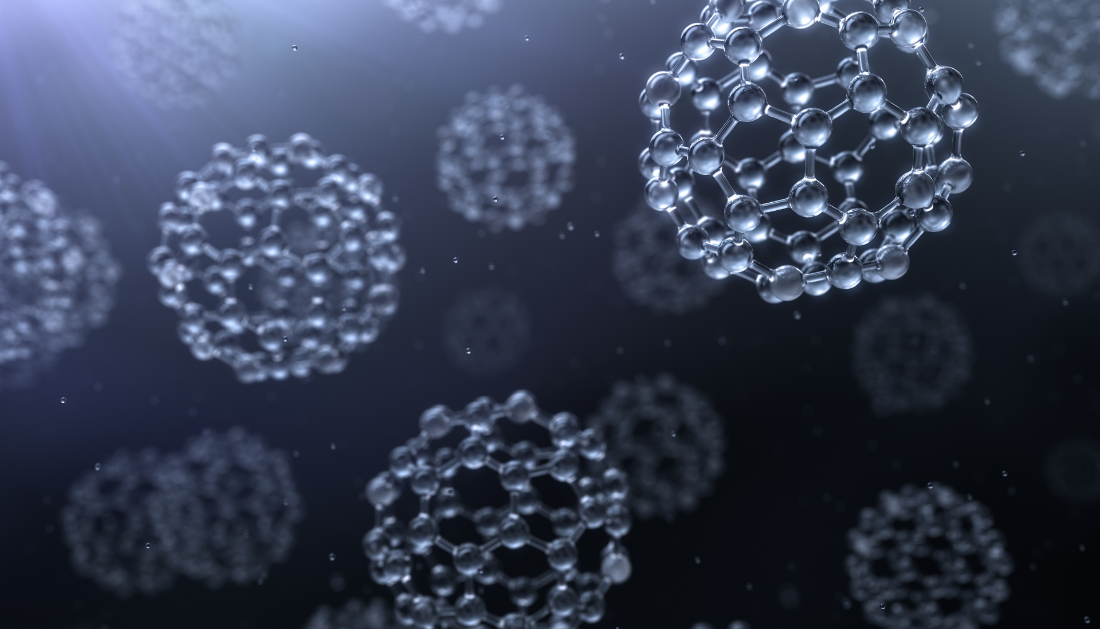
Drug Delivery Nanoparticles Gain New AF4-SANS Analysis Method

Modern medicine increasingly depends on drug delivery nanoparticles to transport therapies directly to targeted tissues while limiting unwanted effects. As nanoparticle-based medicines become more common across oncology, immunology, and precision medicine, researchers need analytical methods that accurately characterize these complex delivery systems.
An international research team has now introduced the world’s first analytical platform that combines Asymmetric Flow Field-Flow Fractionation (AF4) with Small-Angle Neutron Scattering (SANS). The new approach provides a much deeper understanding of nanoparticle architecture, offering valuable insights that could support the development of safer and more effective drug delivery technologies.
Drug delivery nanoparticles are typically composed of biocompatible lipids or polymers that encapsulate therapeutic molecules. Their clinical performance depends heavily on characteristics such as particle size, structural uniformity, shape, and the organization of drug molecules within each particle.
Manufacturers routinely use Asymmetric Flow Field-Flow Fractionation (AF4) to separate nanoparticles according to size for quality assessment. International quality standards generally require particle size variation to remain within approximately 30%, making accurate characterization essential throughout manufacturing.
While AF4 provides reliable size distribution data, it offers limited information about nanoparticle architecture. To overcome this limitation, researchers successfully integrated AF4 with Small-Angle Neutron Scattering (SANS) on the Institut Laue-Langevin’s D11 instrument. The platform simultaneously incorporated multi-angle light scattering, allowing investigators to examine nanoparticle dimensions alongside their internal organization.
This multidetection approach enabled scientists to identify structural homogeneity and estimate where therapeutic molecules reside inside the nanoparticles with considerably greater precision than conventional analytical methods.
One of the major technical challenges during AF4 analysis is sample dilution, which weakens analytical signals and extends experiment duration. The research team addressed this issue by directing nanoparticle-rich fractions toward the detectors while diverting the solvent stream. This modification significantly improved signal quality and measurement efficiency.
Another important advantage comes from neutron scattering itself. Because neutrons interact differently with hydrogen and deuterium, researchers can selectively label portions of nanoparticles to visualize specific structural components that remain difficult to observe using X-ray-based techniques.
As nanoparticle therapeutics continue to expand across multiple clinical specialties, analytical tools capable of revealing both external characteristics and internal organization will become increasingly valuable. The AF4-SANS platform provides researchers with comprehensive structural information using relatively small sample volumes, making it well suited for biomedical and pharmaceutical research.
For pharmaceutical scientists, nanomedicine researchers, formulation experts, and healthcare professionals following targeted therapeutics, this advancement represents an important step toward improving nanoparticle quality assessment and supporting the development of next-generation drug delivery systems.

 Gamma Oscillations Restored in Alzheimer’s Disease Mice
Key takeaways Researchers restored parvalbumin (PV).
 Coffee Consumption Linked to Lower Recurrent VTE Risk
Key points at a glance Study.
 Body Roundness Index Linked to Higher Heart Attack Risk
Key findings at a glance Study.
 Maternal Diet Fails to Reduce Infant Egg and Peanut Allergy
Key Points A large Australian randomized.
 Visual Impairment Linked to Higher Dementia Risk
Key findings at a glance A.
 Long-Acting HIV Treatment May Help Drug-Resistant Cases
Key Takeaways A UCSF study found.
 Night Shift Work Alters Key Circadian Gene Expression
A recent study published in Frontiers.
 Tirzepatide Weight Loss: Fat Mass and Muscle Findings
Key points Tirzepatide was associated with.
 Coffee and Gut Microbiome: Brewing and Metabolic Effects
Key Points Coffee contains caffeine, chlorogenic.
 Low-Dose Radiation Therapy Shows Promise in Early Knee OA
Key Points Low-dose radiation therapy was.
Leave a Comment