
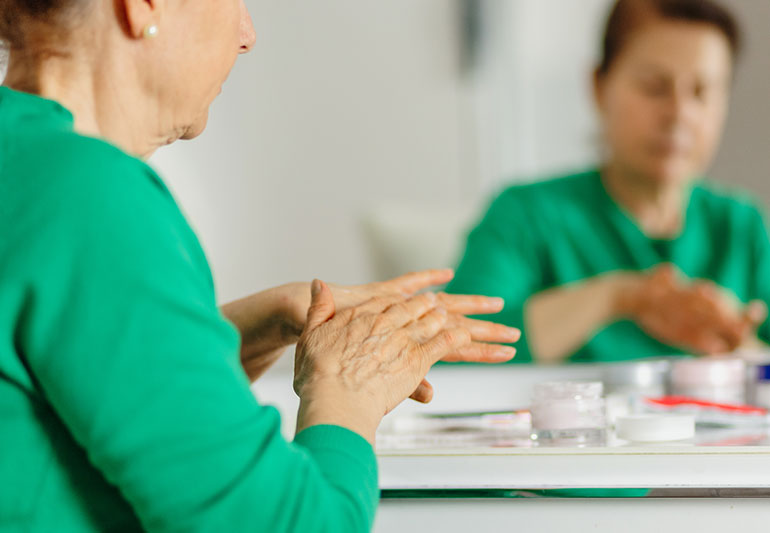
As if battling cancer isn’t life-altering enough, undergoing cancer treatments can sometimes take a toll on your appearance, too. Certain cancer therapies, like chemotherapy and radiation, can dry out your skin and cause your nails to become ridged and brittle.
“However, a few simple changes in your personal hygiene routine can limit the damage and make you feel less self-conscious about your appearance,” says licensed aesthetician Michele Taylor.
If you or someone you love is undergoing cancer treatment, follow Taylor’s dos and don’ts for skin and nail care, below.
5 tips for skin care during cancer treatment
If you’re undergoing chemotherapy, dry skin is inevitable. And radiation therapy can often cause radiation dermatitis, which can trigger a rash, flaking and peeling skin or blisters at the treatment site.
Beyond their appearance, these skin changes can lead to other complications. Dry skin gets itchy, and excessive scratching may create wounds that put you at risk for infection. To care for your skin during chemotherapy or radiation treatments, Taylor recommends the following:
- Hydrate well. Drink plenty of water (as long as you’re not on fluid restriction).
- Block the sun. Wear a broad-spectrum sunscreen (SPF 30 or higher), especially on your hands, face and neck. You can even double up and protect your face, ears and neck with a wide-brimmed hat.
- Moisturize often. Apply moisturizer throughout the day if possible — especially after washing your hands and always right before bed. Use gentle, hydrating products without strong fragrances. For extreme dryness, try a cream or a thicker “body butter,” which provides more of a protective barrier and better hydration.
- Be smart about baths. Bathe in warm — not hot — water. Apply moisturizer within three to five minutes of your bath or shower, when your skin is most absorbent.
- Exfoliate with care. Use a soft washcloth to gently exfoliate your skin. This helps remove dry skin from the epidermis (top skin layer) so that deeper skin layers can better absorb moisturizer. (If you’re undergoing radiation, don’t use a washcloth on the radiation site. Ask your care team for cleansing instructions.)
4 tips for nail care during cancer treatment
Chemotherapy sometimes affects your fingernails and toenails, which can develop lines and ridges. The nail beds can turn brown or black, and nails may even fall off. To care for your nails during chemotherapy, Ms. Taylor recommends the following:
- Trim nails often. Cut your nails short and keep them clean using clean nail instruments. Smooth any jagged edges and remove any hangnails promptly to avoid catching a nail on something that could tear it off.
- Avoid nail salons. Don’t get professional manicures or pedicures. The risk of infection is too high. When painting your own nails, use a formaldehyde-free polish and non-acetone remover, which are gentler on your nails and surrounding skin. However, consult with your care team before painting your nails, as some physicians prefer patients not to paint their nails at all during treatment.
- Protect your hands. Wear gloves when cleaning or doing yard work or for any task that exposes your hands to chemicals.
- Seek help if needed. Tell your care team if one of your nails is loose or falls off. They may want to start you on antibiotics to decrease the risk of infection.
The side effects of cancer treatment can sometimes pose additional challenges for you or your loved ones. “Following these practical tips can lessen their impact on your skin and nails and have you feeling more confident about yourself,” says Taylor.

more recommended stories
 Maternal Diet Fails to Reduce Infant Egg and Peanut Allergy
Key Points A large Australian randomized.
 Psychedelic-Assisted Psychotherapy: Music in Treatment
Key Takeaways Psychedelic-assisted psychotherapy combines psychedelic.
 Cardiovascular Frailty Links Heart Health and Aging
Key Points Cardiovascular frailty may connect.
 Laser Blended Vision: Simple Test Predicts Success
Key Points A simple phoropter-based test.
 Pink Noise Boosts Brain Waste Clearance During Sleep
Key Points Pink noise delivered during.
 Psilocybin Microdosing Research Raises Key Questions
Key points: Psilocybin microdosing research shows.
 Maternal Illness Linked to Epigenetic Fetal Brain Changes
Maternal illness during pregnancy may influence.
 SGLT2 Inhibitors Boost Cardiac Energy Through PANK1
Key Points SGLT2 inhibitors directly activate.
 Daraxonrasib Approved for Metastatic Pancreatic Cancer
Key Points FDA approved daraxonrasib (RASONQUE).
 Nicotine E-Cigarettes Help More Smokers Quit Than NRT
Key Points Nicotine e-cigarettes helped more.
Leave a Comment