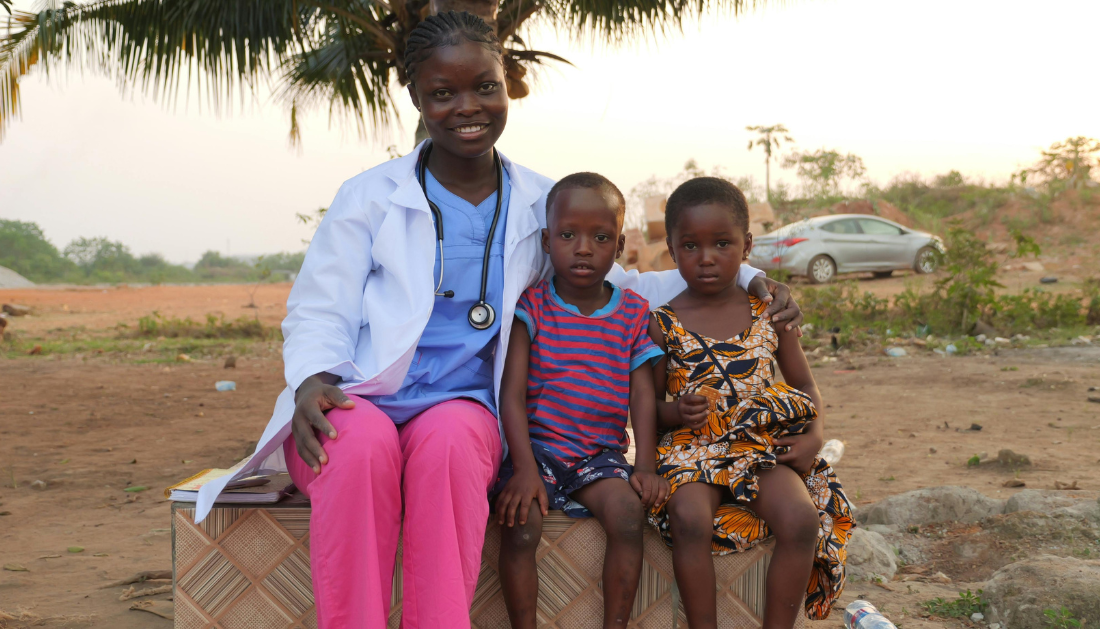
Women’s Health Gap Highlights Need for Better Care Delivery

The women’s health gap continues to widen despite rapid progress in medical innovation, digital healthcare, and preventive medicine. Global health experts now emphasize that the challenge is not only scientific discovery but also how healthcare systems deliver care to women consistently and affordably.
According to research from the World Economic Forum and the McKinsey Health Institute, women spend nearly 25% more of their lives in poor health than men. Closing this gap could contribute more than $1 trillion annually to the global economy by 2040.
For healthcare professionals and nurses, the findings highlight a growing concern: healthcare delivery pathways often fail to align with women’s real-world circumstances. Distance from clinics, childcare responsibilities, financial limitations, and poor follow-up continue to delay preventive care and chronic disease management.
Conditions such as anaemia, maternal complications, cervical cancer, and cardiovascular disease can frequently be prevented or treated early with timely interventions. Yet the World Health Organization estimates that nearly 260,000 women died during and following pregnancy and childbirth in 2023, with most deaths considered preventable.
Healthcare leaders increasingly point to community-led healthcare models as a practical strategy for improving women’s health access and continuity of care.
India’s Accredited Social Health Activists (ASHAs) programme demonstrates how frontline community health workers can bridge healthcare gaps in underserved populations. More than one million ASHAs currently support antenatal care, immunization, family planning, referrals, and preventive health education across rural communities.
Similar healthcare delivery models are active in Brazil’s Family Health Strategy and Kenya’s Community Health Strategy, where local healthcare workers conduct home visits, monitor high-risk patients, and strengthen links between households and primary care systems.
For HCPs, these models reinforce an important clinical insight: women are more likely to engage in preventive care when services are local, trusted, and relationship-driven.
Digital health technologies such as telemedicine, mobile health platforms, and remote maternal monitoring are becoming essential tools in women’s healthcare delivery. However, experts caution that technology works best when integrated with frontline healthcare workers rather than replacing them.
Community health workers often identify missed follow-ups, social barriers, and patient concerns that digital systems alone cannot detect. As healthcare workforce shortages continue globally, strengthening and supporting these frontline teams is becoming critical for health system resilience.
Healthcare organizations increasingly recognize that reducing the women’s health gap requires more than innovation alone. Sustainable progress depends on healthcare systems delivering continuous, accessible, and trusted care directly within communities where women live.

 Maternal Diet Fails to Reduce Infant Egg and Peanut Allergy
Key Points A large Australian randomized.
 Prenatal Paracetamol Exposure Linked to Smaller Ovaries
Key Points Prenatal paracetamol exposure was.
 AI in Women’s Health May Reinforce Gender Bias, Study Warns
Key Takeaways Researchers caution that AI.
 Early Menopause Risk Higher in Rural Women: New Study
Key Points Early menopause affects more.
 Parkinson’s Disease and Alzheimer’s Pathology in Women
Key Takeaways Women with Parkinson’s disease.
 Estradiol Fluctuations May Influence Daily Physical Activity
Key Summary A new study published.
 HPV Vaccination Supports Cervical Cancer Prevention Efforts
Key Points Summary HPV vaccination is.
 Women’s Healthcare Advances Through FemTech
Key Summary FemTech has grown from.
 Vitamin D3 in Pregnancy May Improve Child Memory
Key Takeaways High-dose prenatal vitamin D3.
 PCOS Renamed to PMOS to Reflect Broader Health Risks
Key Points The World Health Organization.
Leave a Comment