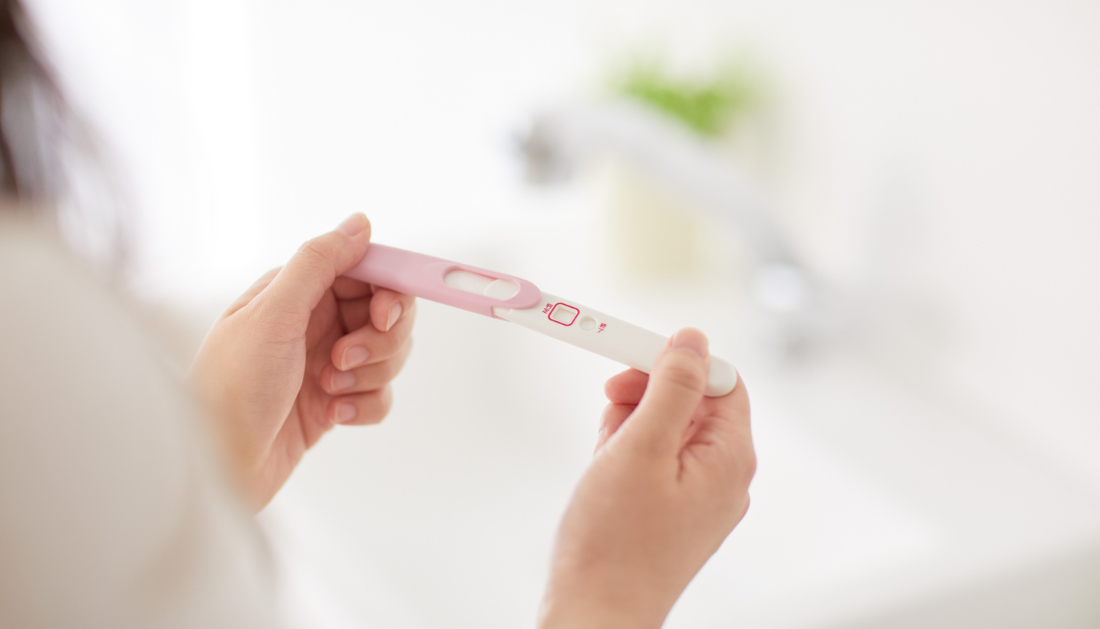
Vitamin E Intake Linked to Fertility Hormone in Women Trying to Conceive

A recent study in Scientific Reports highlights a potential link between vitamin E intake and fertility hormone levels in women undergoing infertility care. For clinicians and fertility specialists, this raises an important question: can micronutrient intake meaningfully influence reproductive endocrinology?
Infertility affects nearly one in six couples globally, making modifiable lifestyle factors, particularly diet, an area of increasing clinical interest. While prior research has explored nutrition in general populations, targeted data in women actively seeking fertility treatment has remained limited.
This cross-sectional study assessed 97 women aged 18–40 years who attended a fertility clinic in Spain. Researchers evaluated dietary intake using a validated food frequency questionnaire and correlated findings with body composition and reproductive hormone levels.
Key clinical markers included anti-Müllerian hormone (AMH), follicle-stimulating hormone, luteinizing hormone, thyroid-stimulating hormone, estradiol, and prolactin. Body composition analysis revealed a consistent trend—higher body fat percentage and lower muscle mass, factors known to influence hormonal balance.
A notable finding: vitamin E intake was inversely associated with prolactin levels. Elevated prolactin can disrupt ovulation and menstrual cycles, making this association clinically relevant. Importantly, this relationship remained significant after adjusting for BMI, caloric intake, smoking, and physical activity.
Beyond vitamin E, the study found that riboflavin (vitamin B2) and calcium intake were positively associated with muscle mass percentage. These findings suggest that micronutrients may contribute to metabolic profiles that support reproductive health.
Additionally, vitamin E intake showed an inverse relationship with hip circumference, pointing toward a possible role in fat distribution. However, clinicians should interpret these findings with caution, given the observational design.
Current evidence suggests a link between vitamin E intake and lower prolactin levels, but no direct causal relationship has been established.
For healthcare professionals, this study reinforces the importance of integrating nutritional assessment into fertility care. While dietary interventions cannot replace established treatments, they may serve as supportive strategies for optimizing hormonal and metabolic health.
However, larger longitudinal studies are required before translating these findings into clinical guidelines. Until then, individualized nutrition counseling remains a prudent approach in reproductive medicine.

 Long-Acting HIV Treatment May Help Drug-Resistant Cases
Key Takeaways A UCSF study found.
 Coffee and Gut Microbiome: Brewing and Metabolic Effects
Key Points Coffee contains caffeine, chlorogenic.
 Low-Dose Radiation Therapy Shows Promise in Early Knee OA
Key Points Low-dose radiation therapy was.
 Oral Hormone Replacement Therapy Raises Blood Clot Risk
Key Points Oral hormone replacement therapy.
 GLP-1 Health Information: Quality, Completeness, & Engagement
Key Points A study assessed 128.
 DNA Damage Response May Drive Biological Aging
Key Points Chronic DNA damage response.
 Maternal Diet Fails to Reduce Infant Egg and Peanut Allergy
Key Points A large Australian randomized.
 Psychedelic-Assisted Psychotherapy: Music in Treatment
Key Takeaways Psychedelic-assisted psychotherapy combines psychedelic.
 Cardiovascular Frailty Links Heart Health and Aging
Key Points Cardiovascular frailty may connect.
 Laser Blended Vision: Simple Test Predicts Success
Key Points A simple phoropter-based test.
Leave a Comment