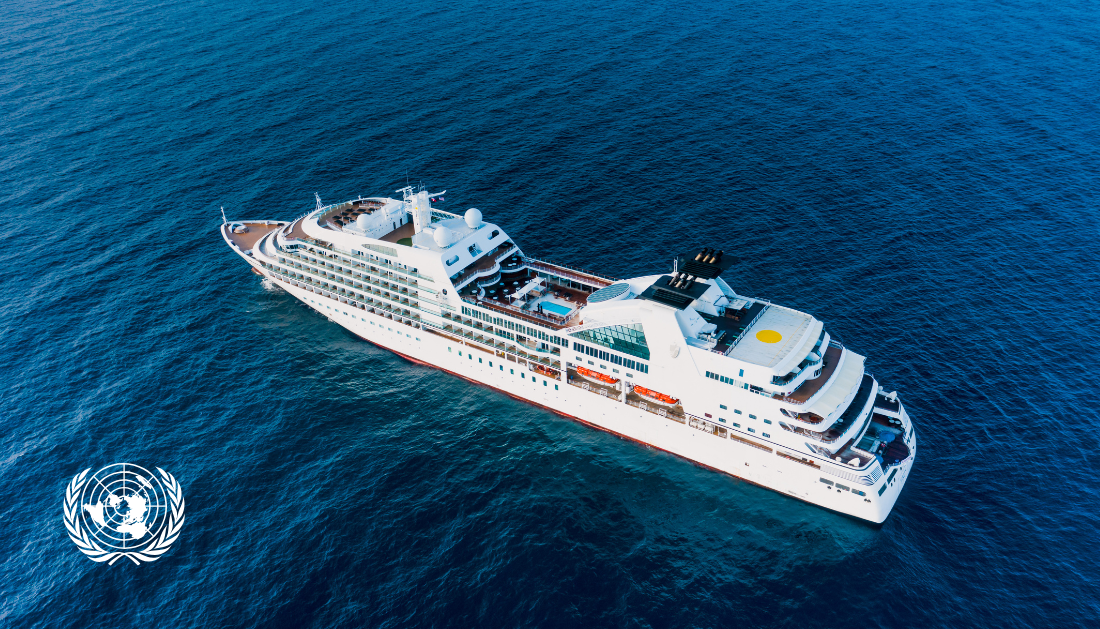
Hantavirus Cruise Ship Outbreak: WHO Issues Update

The World Health Organization (WHO) is coordinating an international public health response after multiple hantavirus infections were linked to the cruise ship MV Hondius. The outbreak has raised concern among infectious disease experts because the identified strain, Andes virus, is the only hantavirus species known to spread between humans through close and prolonged contact.
As of May 2026, eight cases associated with the ship have been reported, including three deaths. Five of those cases were confirmed through laboratory testing. WHO Director-General Tedros Adhanom Ghebreyesus stated that although the incident is serious, the current public health risk remains low.
The MV Hondius outbreak has drawn international attention because passengers from several countries had already disembarked before the virus was identified. Global health authorities are now tracing travelers and monitoring exposed individuals across Europe, Africa, Asia, and North America.
Hantaviruses are rodent-borne viruses typically transmitted through exposure to infected rodent urine, saliva, or droppings. Infection can lead to severe respiratory illness, including hantavirus pulmonary syndrome (HPS), which may rapidly progress to respiratory failure and shock.
The Andes virus strain is primarily found in South America, especially Argentina and Chile. Unlike most hantaviruses, the Andes virus has demonstrated limited person-to-person transmission in previous outbreaks, particularly among close household contacts and healthcare workers.
WHO officials noted that the incubation period can extend up to six weeks, meaning additional cases may still emerge. Symptoms often begin with fever, fatigue, muscle aches, gastrointestinal complaints, and headache before progressing to severe pulmonary complications.
WHO has activated multiple containment measures under the International Health Regulations (IHR). An infectious disease expert has been deployed onboard the ship to conduct medical assessments and evaluate infection risk among passengers and crew.
To improve laboratory capacity, WHO arranged the shipment of 2,500 diagnostic kits from Argentina to laboratories in five countries. Authorities are also preparing operational guidance for the safe disembarkation and onward travel of passengers.
Several countries, including Singapore, South Africa, Switzerland, and the United Kingdom, have initiated monitoring and isolation protocols for potentially exposed travelers. The CDC has also activated a Level 3 emergency response while emphasizing that the threat to the general public remains low.
For healthcare professionals, the outbreak highlights the importance of early recognition of zoonotic respiratory infections, rapid international coordination, and infection prevention strategies in travel-associated outbreaks.

 Gamma Oscillations Restored in Alzheimer’s Disease Mice
Key takeaways Researchers restored parvalbumin (PV).
 Long-Acting HIV Treatment May Help Drug-Resistant Cases
Key Takeaways A UCSF study found.
 Coffee and Gut Microbiome: Brewing and Metabolic Effects
Key Points Coffee contains caffeine, chlorogenic.
 Low-Dose Radiation Therapy Shows Promise in Early Knee OA
Key Points Low-dose radiation therapy was.
 GLP-1 Health Information: Quality, Completeness, & Engagement
Key Points A study assessed 128.
 DNA Damage Response May Drive Biological Aging
Key Points Chronic DNA damage response.
 Psychedelic-Assisted Psychotherapy: Music in Treatment
Key Takeaways Psychedelic-assisted psychotherapy combines psychedelic.
 Cardiovascular Frailty Links Heart Health and Aging
Key Points Cardiovascular frailty may connect.
 Laser Blended Vision: Simple Test Predicts Success
Key Points A simple phoropter-based test.
 Smoking and Loneliness Linked in Large European Study
Key points: A Europe-wide study of.
Leave a Comment