
Ozone Pollution Linked to Reduced Lung Growth in Children

Children who engage in vigorous physical activity may experience improved lung growth, but new research suggests that ozone pollution can significantly weaken these respiratory benefits. Presented at the ATS 2026 International Conference, the study highlights the growing connection between environmental health and pediatric respiratory care.
Researchers from Queen Mary University of London analyzed data from more than 3,400 children between the ages of 6 and 9 as part of the Children’s Health in London and Luton (CHILL) study. Over four years, investigators examined physical activity levels, lung growth measurements, and residential exposure to multiple air pollutants.
The study found that vigorous physical activity had a measurable positive effect on children’s lung function. However, children exposed to higher ozone levels showed reduced respiratory gains compared to peers living in cleaner environments.
According to lead researcher James Scales, the findings reinforce the need to view physical activity and environmental quality as interconnected public health priorities.
A notable finding from the study was the difference between exercise intensities. Researchers observed that vigorous physical activity demonstrated a clear association with lung development, while moderate activity did not show the same respiratory benefit.
This distinction may have important implications for pediatric exercise guidelines and preventive respiratory care strategies. During vigorous activity, breathing rates increase, allowing more ozone to enter the airways and lungs. Ozone, a reactive gas known to irritate respiratory tissues, may therefore reduce the protective and developmental effects of exercise.
Researchers also noted that ozone appeared more influential than particulate pollution in limiting exercise-related lung benefits. These findings support growing evidence that ozone exposure remains a critical concern for children’s respiratory health, especially in urban regions with higher emissions.
The findings arrive at a time when healthcare professionals continue emphasizing physical activity to support long-term cardiopulmonary health in children. However, the study suggests that environmental conditions should also be considered when advising families about outdoor activity.
Researchers believe the data could help strengthen policies targeting ozone-forming emissions while informing future public health recommendations. Follow-up investigations are planned to identify ozone exposure thresholds linked to respiratory risk and to better understand the short-term pulmonary effects of ozone exposure in children.
For pediatricians, pulmonologists, respiratory therapists, nurses, and public health professionals, the research underscores an important clinical reality: promoting exercise alone may not be sufficient if environmental exposures continue to compromise lung development during childhood.

 Tirzepatide Weight Loss: Fat Mass and Muscle Findings
Key points Tirzepatide was associated with.
 Dietary Polyphenol Intake Associated With Lower MCI Odds
Key Points Older adults without mild.
 Smoking and Loneliness Linked in Large European Study
Key points: A Europe-wide study of.
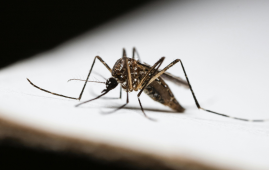 Malaria Vaccination Turns Mosquito Bites Into Immune Boosters
Key takeaways: WEHI researchers developed a.
 Lead Exposure in Indoors and Contamination in Soil
Key Points Lead contamination in soil.
 Drinking Water With Meals Linked to Higher Food Intake
Key Points Summary A new Appetite.
 Cyclosporiasis Risk: Who Faces the Highest Threat?
Key Summary Cyclosporiasis cases are increasing.
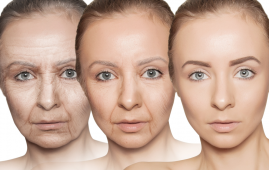 EP2 Receptor Research Opens New Path for Healthy Aging
Key Points Researchers identified the EP2.
 Lifestyle Behaviors and Mood Linked in Daily Life Study
Key Points A 70-day diary study.
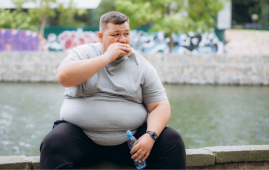 England Obesity Prevalence Climbs to 30%, Lancet Study
Key Points A nationwide study of.
Leave a Comment