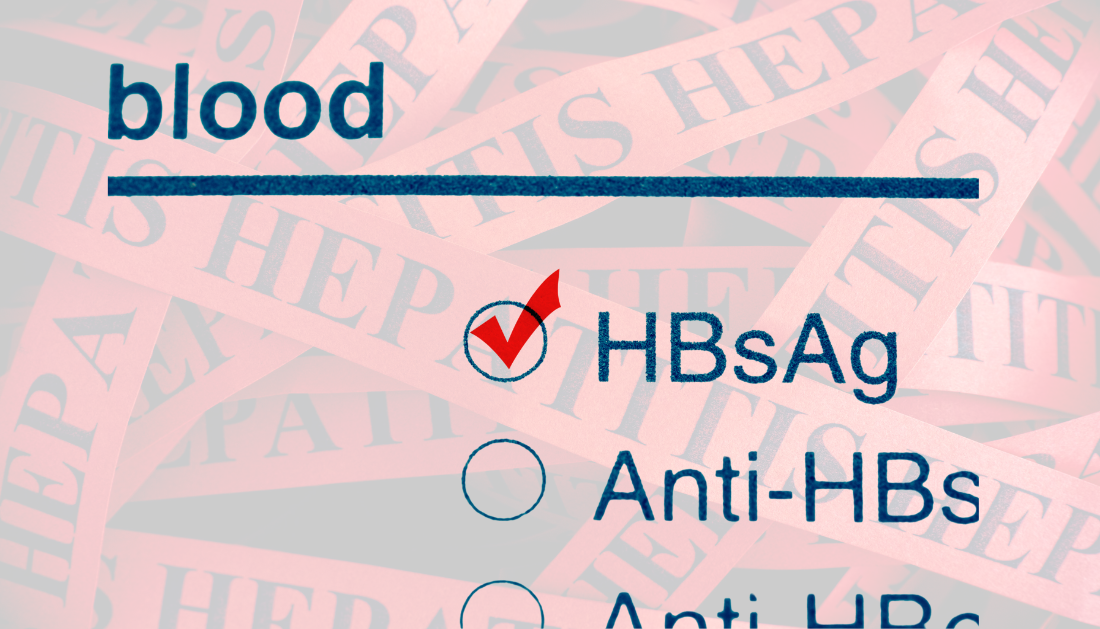
Hepatitis B Reactivation: 2025 Guideline Updates

Recent advancements in immunosuppressive therapies necessitated updates to the prevention and management guidelines for hepatitis B virus reactivation (HBVr). Published in Gastroenterology, these new recommendations focus on tailored risk management, antiviral prophylaxis, and monitoring strategies for patients at risk.
HBVr occurs when HBV activity resurges due to suppressed immune defences. High-risk groups include those on immunosuppressive therapies, particularly B-cell-depleting agents. Notably, HBsAg-positive individuals face greater reactivation risks compared to those with resolved HBV infection.
Since the American Gastroenterology Association’s (AGA) 2014 guidelines, immunosuppressive treatment options have expanded, including therapies like immune checkpoint inhibitors and CAR-T cell therapies. These updates reflect advancements, ensuring clinicians provide evidence-based care.
The guidelines distinguish between strong and conditional recommendations, accommodating patient values, healthcare costs, and risk tolerance. This nuanced approach empowers clinicians and policymakers to balance preventive strategies with patient-specific needs.
Cost-effectiveness analyses and centralized databases for HBV serological results could further refine risk categorization, enhancing equitable care. These guidelines set a foundation for proactive HBVr management amidst evolving medical landscapes.
More Information: Ali, F. S., Nguyen, M. H., Hernaez, R., et al. (2025). AGA Clinical Practice Guideline on the Prevention and Treatment of Hepatitis B Virus Reactivation in At-Risk Individuals. Gastroenterology. doi:10.1053/j.gastro.2024.11.008.

 Coffee Consumption Linked to Lower Recurrent VTE Risk
Key points at a glance Study.
 Tirzepatide Weight Loss: Fat Mass and Muscle Findings
Key points Tirzepatide was associated with.
 Dietary Polyphenol Intake Associated With Lower MCI Odds
Key Points Older adults without mild.
 Smoking and Loneliness Linked in Large European Study
Key points: A Europe-wide study of.
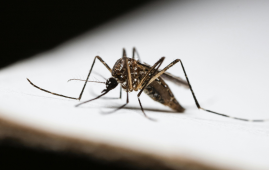 Malaria Vaccination Turns Mosquito Bites Into Immune Boosters
Key takeaways: WEHI researchers developed a.
 Lead Exposure in Indoors and Contamination in Soil
Key Points Lead contamination in soil.
 Drinking Water With Meals Linked to Higher Food Intake
Key Points Summary A new Appetite.
 Cyclosporiasis Risk: Who Faces the Highest Threat?
Key Summary Cyclosporiasis cases are increasing.
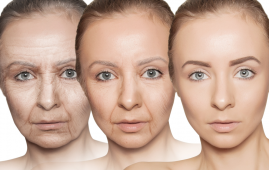 EP2 Receptor Research Opens New Path for Healthy Aging
Key Points Researchers identified the EP2.
 Lifestyle Behaviors and Mood Linked in Daily Life Study
Key Points A 70-day diary study.
Leave a Comment