
Vegetarian diets are widely recognized for their health benefits, including reduced risks of heart disease, diabetes, and obesity. However, a recent study published in npj Aging suggests that older adults following vegetarian diets may be less likely to achieve healthy aging—unless they consume high-quality, nutrient-dense plant-based foods.
Key Findings on Vegetarian Diets and Longevity
Researchers analyzed data from the Chinese Longitudinal Healthy Longevity Survey, which followed individuals aged 60+ over multiple decades. Their results showed:
-
Vegetarians were 35% less likely to achieve healthy aging compared to omnivores.
-
Vegans had the lowest odds—57% less likely to experience healthy aging.
-
Long-term vegetarian diets increased risks of chronic diseases, physical impairment, and cognitive decline.
-
High-quality plant-based diets (hPDI) eliminated the disadvantage compared to omnivores.
These findings highlight that diet quality—not just vegetarianism—plays a crucial role in aging well.
Why Vegetarian Diets May Impact Healthy Aging
While plant-based diets offer benefits, older adults may struggle with nutrient deficiencies, including:
Vitamin B12 & Iron Deficiency – Leading to cognitive decline and anemia.
Omega-3 Fatty Acids Deficiency – Impacting brain health and inflammation.
Protein Deficiency – Contributing to muscle loss and frailty.
Calcium & Vitamin D Deficiency – Increasing the risk of osteoporosis and fractures.
Low-income and lower-educated participants were more likely to follow poor-quality vegetarian diet, suggesting that socioeconomic factors may also influence health disparities.
Should Seniors Follow a Vegetarian Diet?
This study suggests that a well-balanced vegetarian diet can support healthy aging, but poor-quality plant-based diets may accelerate age-related decline.
Key Takeaways:
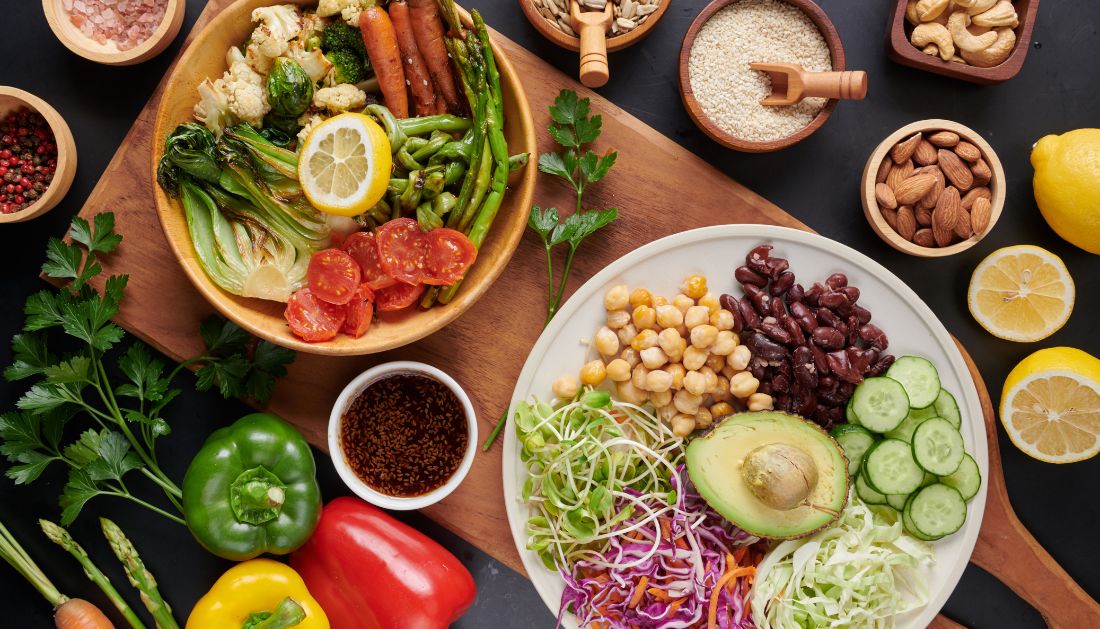
Prioritize whole grains, fruits, and vegetables for optimal nutrition.
Include plant-based protein sources like legumes, tofu, and nuts.
Consider B12 and omega-3 supplements to prevent deficiencies.
Monitor bone and muscle health to prevent age-related decline.
Final Thoughts
Vegetarian diets can be beneficial, but diet quality matters. Older adults should focus on nutrient-dense plant-based foods and consider supplementation when needed. As research evolves, personalized dietary recommendations will be key to supporting healthy aging.
For more information: Jigeer, G., Wang, K., Lv, Y., Tucker, K. L., Shen, X., Chen, F., Sun, L., Shi, X., Li, Y., & Gao, X. (2025). Vegetarian diet and healthy aging among Chinese older adults: A prospective study. Npj Aging, 11(1), 1-8. DOI: 10.1038/s41514-025-00213-4, https://www.nature.com/articles/s41514-025-00213-4

more recommended stories
 Smoking and Loneliness Linked in Large European Study
Key points: A Europe-wide study of.
 Women’s Healthcare Advances Through FemTech
Key Summary FemTech has grown from.
 Mazdutide Shows Significant Weight Loss in Phase 3 Trial
Key Summary Mazdutide, a dual GLP-1.
 Ozone Pollution Reduces Exercise Benefits in Children
Key Summary Vigorous physical activity supports.
 Walking 8,500 Steps May Prevent Weight Regain
Key Points A new meta-analysis presented.
 Hantavirus Cruise Ship Outbreak: WHO Issues Update
Key Points WHO confirmed a cluster.
 Autoimmune Diseases in Women Linked to Gene Regulation
Key Points Researchers identified more than.
 Nutrition Research: Why Context Matters for Healthy Foods
Quick Summary Foods do not have.
 Hyperemesis Gravidarum Genes: Largest GWAS Study
Quick Summary Largest GWAS identifies 10.
 GLP-1 Drug Effectiveness Reduced by Genetic Variants
Key Points Summary Genetic variants in.
Leave a Comment