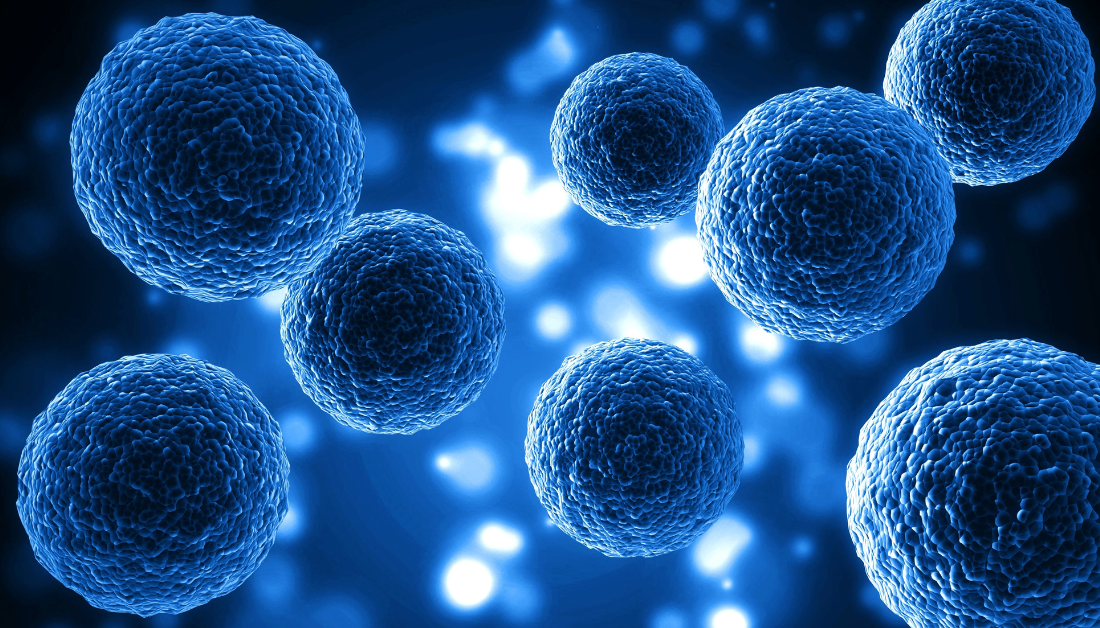
Study: Induction of Local Immunosuppression in Allogenic Cell Transplantation by Cell-type-specific Expression of PD-L1 and CTLA4Ig

Although cell and organ transplants can save lives, patients frequently face long waiting lists due to a scarcity of appropriate donors. According to donatelife.net, 6,000 people will die in the United States alone while waiting for a transplant in 2021. One day, stem cell transplants may reduce the ongoing organ donor shortage, making transplants available to a greater number of patients.
Immune rejection is a problem with donation, whether it’s with solid tissues or cells from deceased or living donors. The transplant will be rejected unless the donor material is carefully matched to the recipient’s immune system. However, stem cell research is attempting to find a remedy to this problem. Strategies are being developed to generate hypoimmunogenic stem cells, which are stem cells and their derived tissues that have been genetically modified so that they are no longer recognized by the immune system, allowing transplants to be generated from a universal stock of stem cells without the need for immune matching. Uncontrolled growth and tumor formation from leftover immature cells within a transplant that would go unchecked by the immune system is a potential concern connected with hypoimmunogenic stem cell transplants.
To avoid both the concerns of immune rejection and tumor formation, researchers Baoyang Hu and colleagues from the Chinese Academy of Sciences in Beijing genetically altered stem cells such that liver cells derived from them are immunologically invisible. At the same time, the immune system would continue to assault and remove immature, potentially tumorigenic stem cells. To do this, the cells produced two immunosuppressive proteins after maturing into mature liver cells, whereas immature stem cells did not produce these proteins.
As a result, when immature stem cells were transplanted into mice with a human immune system, tumor formation was suppressed, but stem cell-derived liver cells were protected from an immunological attack and could stay in the mice despite a lack of immune matching. Similar techniques could be utilized to preserve other stem cell-derived tissues from immune rejection, such as heart cells or pancreatic cells. The findings were reported today in Stem Cell Reports. The safety and efficacy of stem cell-derived transplants will need to be validated further in pre-clinical and clinical research.
For more information: Induction of Local Immunosuppression in Allogenic Cell Transplantation by Cell-type-specific Expression of PD-L1 and CTLA4Ig. Stem Cell Reports.

 Visual Impairment Linked to Higher Dementia Risk
Key findings at a glance A.
 Long-Acting HIV Treatment May Help Drug-Resistant Cases
Key Takeaways A UCSF study found.
 Night Shift Work Alters Key Circadian Gene Expression
A recent study published in Frontiers.
 Tirzepatide Weight Loss: Fat Mass and Muscle Findings
Key points Tirzepatide was associated with.
 Coffee and Gut Microbiome: Brewing and Metabolic Effects
Key Points Coffee contains caffeine, chlorogenic.
 Low-Dose Radiation Therapy Shows Promise in Early Knee OA
Key Points Low-dose radiation therapy was.
 Oral Hormone Replacement Therapy Raises Blood Clot Risk
Key Points Oral hormone replacement therapy.
 GLP-1 Health Information: Quality, Completeness, & Engagement
Key Points A study assessed 128.
 DNA Damage Response May Drive Biological Aging
Key Points Chronic DNA damage response.
 Maternal Diet Fails to Reduce Infant Egg and Peanut Allergy
Key Points A large Australian randomized.
Leave a Comment