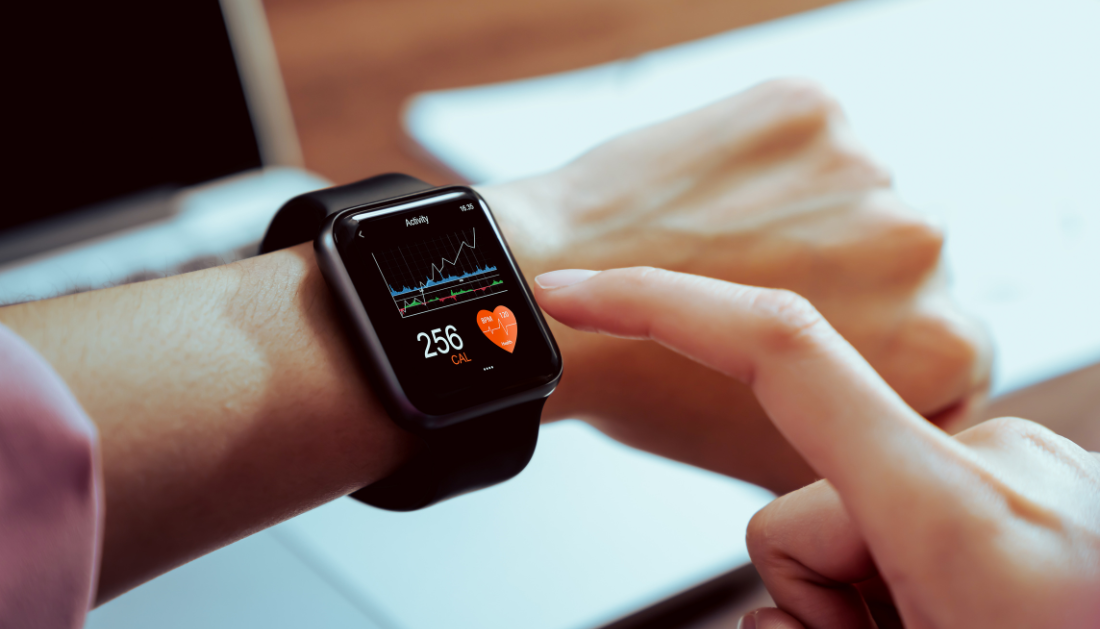
Only 1 in 4 Share Heart Data From Devices With Doctors

Modern technology enables individuals to monitor their heart health using devices like smartwatches, fitness trackers, and blood pressure monitors. However, a survey by The Ohio State University Wexner Medical Center reveals a crucial gap: while nearly two-thirds of Americans use these devices, only a quarter discuss their heart data findings with healthcare providers.
The national survey, involving 1,008 participants, found that smartwatches (32%), portable blood pressure monitors (31%), fitness apps (19%), and wearable trackers (13%) are the most popular tools. Despite the potential of these devices to detect issues like hypertension or irregular heart rhythms early, most users fail to share their data with doctors.
Dr. Laxmi Mehta, Director of Preventative Cardiology at Ohio State, stresses the value of self-monitoring devices in identifying problems early. For example, patterns of rising blood pressure or irregular heart rates can prompt timely consultations, preventing serious complications.
Sue VanWassenhove, a 78-year-old patient, exemplifies proactive health monitoring. Her smartwatch helped detect an unusual drop in heart rate, leading her to seek medical advice. During her visit, she discovered her smartwatch’s EKG feature, allowing her to share heart data directly with her cardiologist.
Dr. Mehta advises patients to pay attention to deviations in heart rate, which can result from conditions like dehydration, infections, or thyroid disorders, and consult a doctor when necessary. She also highlights the importance of regular exercise, recommending 150 minutes of moderate aerobic activity or 75 minutes of vigorous exercise weekly.
The study underscores the need to bridge the gap between heart health monitoring and communication with medical professionals. Sharing device data can empower individuals and healthcare providers to collaboratively manage heart health, fostering better long-term outcomes.
More Information: Ohio State University Wexner Medical Center

 Coffee Consumption Linked to Lower Recurrent VTE Risk
Key points at a glance Study.
 Tirzepatide Weight Loss: Fat Mass and Muscle Findings
Key points Tirzepatide was associated with.
 Dietary Polyphenol Intake Associated With Lower MCI Odds
Key Points Older adults without mild.
 Smoking and Loneliness Linked in Large European Study
Key points: A Europe-wide study of.
 Malaria Vaccination Turns Mosquito Bites Into Immune Boosters
Key takeaways: WEHI researchers developed a.
 Lead Exposure in Indoors and Contamination in Soil
Key Points Lead contamination in soil.
 Drinking Water With Meals Linked to Higher Food Intake
Key Points Summary A new Appetite.
 Cyclosporiasis Risk: Who Faces the Highest Threat?
Key Summary Cyclosporiasis cases are increasing.
 EP2 Receptor Research Opens New Path for Healthy Aging
Key Points Researchers identified the EP2.
 Lifestyle Behaviors and Mood Linked in Daily Life Study
Key Points A 70-day diary study.
Leave a Comment