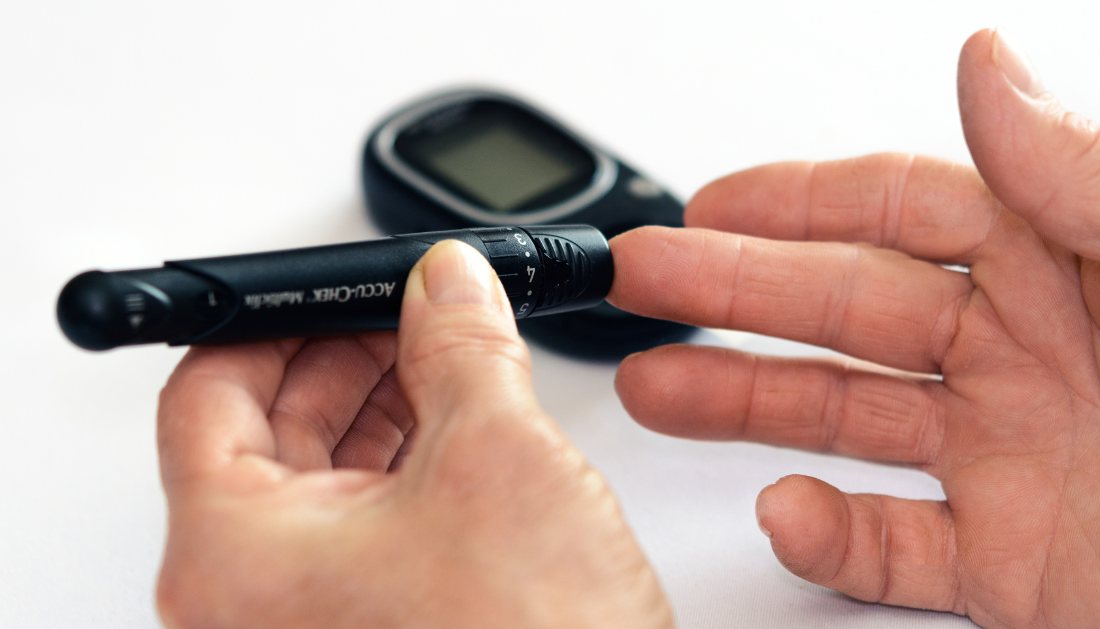
Predicting Type 2 Diabetes Using Blood Metabolites

A landmark long-term study reveals that blood metabolites predict type 2 diabetes risk decades before clinical diagnosis. Researchers from Mass General Brigham and Albert Einstein College of Medicine analyzed metabolomic profiles from over 23,000 initially diabetes-free participants, followed for up to 26 years.
Using advanced mass spectrometry, the team examined 469 circulating metabolites and identified 235 metabolites significantly associated with future T2D development, including 67 newly reported markers. These associations remained robust even after adjusting for obesity, lipid levels, blood pressure, diet, physical activity, and kidney function.
Given that T2D now affects more than 589 million adults worldwide and accounts for over 90% of diabetes cases, the ability to detect risk earlier could transform preventive care.
A metabolomic signature is a defined pattern of blood metabolites that reflects biological pathways linked to disease risk.
The study’s most notable contribution is a 44-metabolite risk signature that significantly outperformed conventional clinical predictors such as age, sex, BMI, and fasting glucose. This multi-metabolite score showed strong gradients in long-term diabetes risk, enabling earlier identification of high-risk individuals.
Genetic analyses connected these metabolites to pathways involving:
Lifestyle factors, particularly physical activity, obesity, and diet quality, explained more variation in diabetes-associated metabolites than in non-associated ones. Specific metabolites appeared to statistically mediate how lifestyle habits influence diabetes risk.
For example, metabolites linked to physical activity were associated with improved insulin sensitivity and liver health, while coffee and tea-related metabolites reflected polyphenol metabolism and glucose regulation.
This metabolomic approach offers HCPs a future-ready framework for:
Although causality cannot be confirmed due to the observational design, genetic analyses reduced the likelihood of reverse causation for several metabolites. The authors emphasize the need for randomized trials to validate whether modifying these metabolites can directly reduce diabetes risk.
The study also highlights a diversity gap, with 77% of participants being non-Hispanic White, underscoring the importance of broader population studies.
This research positions metabolomics as a promising tool in diabetes risk stratification and prevention science. For clinicians, nurses, and researchers, it signals a shift toward earlier, pathway-based identification of metabolic disease risk, long before glucose levels cross diagnostic thresholds.
As diabetes prevalence continues to rise, integrating metabolomic insights into preventive frameworks may reshape long-term population health strategies.

 Night Shift Work Alters Key Circadian Gene Expression
A recent study published in Frontiers.
 Tirzepatide Weight Loss: Fat Mass and Muscle Findings
Key points Tirzepatide was associated with.
 Coffee and Gut Microbiome: Brewing and Metabolic Effects
Key Points Coffee contains caffeine, chlorogenic.
 Low-Dose Radiation Therapy Shows Promise in Early Knee OA
Key Points Low-dose radiation therapy was.
 Oral Hormone Replacement Therapy Raises Blood Clot Risk
Key Points Oral hormone replacement therapy.
 GLP-1 Health Information: Quality, Completeness, & Engagement
Key Points A study assessed 128.
 DNA Damage Response May Drive Biological Aging
Key Points Chronic DNA damage response.
 Maternal Diet Fails to Reduce Infant Egg and Peanut Allergy
Key Points A large Australian randomized.
 Psychedelic-Assisted Psychotherapy: Music in Treatment
Key Takeaways Psychedelic-assisted psychotherapy combines psychedelic.
 Cardiovascular Frailty Links Heart Health and Aging
Key Points Cardiovascular frailty may connect.
Leave a Comment