
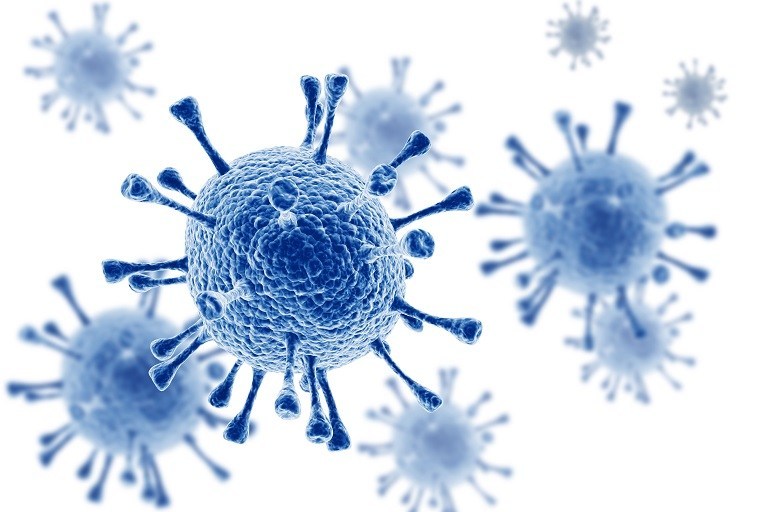
Acquired immunodeficiency syndrome (AIDS) is a chronic, potentially life-threatening condition caused by the human immunodeficiency virus (HIV). By damaging the immune system, HIV interferes with the body’s ability to fight the organisms that cause disease.
HIV is a sexually transmitted infection and can also be spread by contact with infected blood or from mother to child during pregnancy, childbirth, or breast-feeding. Without medication, HIV gradually weakens the immune system to the point that an infected individual may develop AIDS.
Burden
Approximately 1.1 million people in the US are living with HIV today. About 15 percent of them (1 in 7) are unaware they are infected. An estimated 38,000 people became newly infected with HIV in the US each year.
AIDS Symptoms
HIV infection happens in three stages. Without treatment, it gets worse over time and eventually overpowers the immune system. Symptoms depend on the stage (Acute, Clinical Latency, AIDS).
AIDS Prevention
Various strategies are available to prevent HIV including correctly using condoms during sex, limiting the number of sexual partners, never sharing needles, and abstinence (not having sex). Individuals who are at risk for HIV can protect themselves through pre-exposure prophylaxis (PrEP)—taking daily antiretroviral medicines (ART) before being exposed to the HIV virus. Individuals who think they may have been exposed to HIV should talk to a healthcare professional about post-exposure prophylaxis (PEP)—taking ART after being exposed to prevent becoming infected.
If you have HIV, there are actions you can take to avoid transmitting it to others. The most important is taking HIV medicine (ART) as prescribed. If you take HIV medicine as prescribed and stay virally suppressed, you can stay healthy and have effectively no risk of transmitting HIV to an HIV-negative sex partner.
Treatment
There is currently no cure for HIV/AIDS, but there are medications that can slow the progression of the disease. These drugs have reduced AIDS deaths in many developed nations.

more recommended stories
 Visual Impairment Linked to Higher Dementia Risk
Key findings at a glance A.
 Long-Acting HIV Treatment May Help Drug-Resistant Cases
Key Takeaways A UCSF study found.
 Night Shift Work Alters Key Circadian Gene Expression
A recent study published in Frontiers.
 Tirzepatide Weight Loss: Fat Mass and Muscle Findings
Key points Tirzepatide was associated with.
 Coffee and Gut Microbiome: Brewing and Metabolic Effects
Key Points Coffee contains caffeine, chlorogenic.
 Low-Dose Radiation Therapy Shows Promise in Early Knee OA
Key Points Low-dose radiation therapy was.
 Oral Hormone Replacement Therapy Raises Blood Clot Risk
Key Points Oral hormone replacement therapy.
 GLP-1 Health Information: Quality, Completeness, & Engagement
Key Points A study assessed 128.
 DNA Damage Response May Drive Biological Aging
Key Points Chronic DNA damage response.
 Maternal Diet Fails to Reduce Infant Egg and Peanut Allergy
Key Points A large Australian randomized.
Leave a Comment