
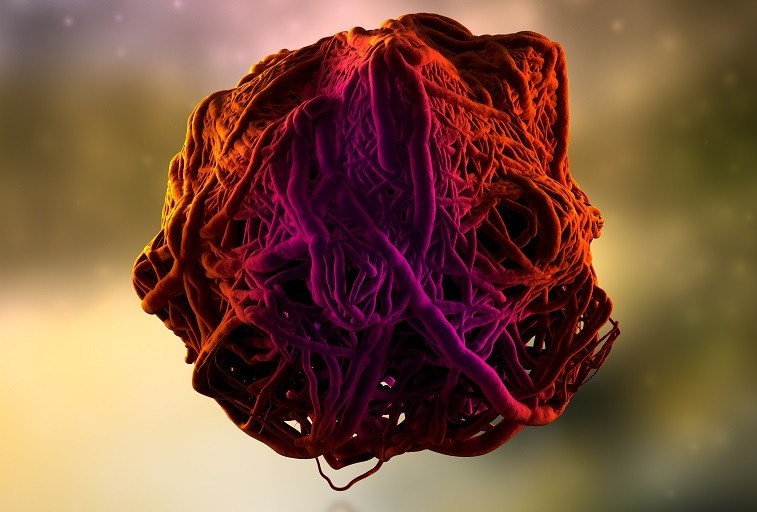
Mumps is a contagious disease caused by a virus. There is no cure for it, and it can cause serious health problems. The measles-mumps-rubella (MMR) vaccine is the best way to help protect against mumps.
Burden
- Before the vaccine, about 186,000 cases were reported each year in the US
- Compared to the pre-vaccine era, the number of cases in the US dropped by more than 99 percent
Outbreaks of mumps still occur in the US, usually among people who live in close quarters or have prolonged, close contact with an individual who has mumps. Mumps spreads easily through coughing or sneezing, or through close contact, such as sharing cups or water bottles, kissing, or playing sports with someone who has been infected.
Symptoms
Mumps typically starts with a few days of fever, headache, muscle aches, tiredness, and loss of appetite, followed by swelling of the salivary glands under the ears on one or both sides, which causes puffy cheeks and a tender, swollen jaw.
Symptoms typically appear 16-18 days after infection, but this period can range from 12–25 days after infection. Some people who get this disease have very mild symptoms (like a cold), or no symptoms at all and may not know they have the disease.
Most people with this disease recover completely within two weeks. However, in rare cases, this disease can cause serious complications, including:
- swollen testicles, which may lead to a decrease in testicular size
- swollen ovaries or breast tissue
- inflammation in the pancreas (pancreatitis)
- inflammation of the brain (encephalitis)
- inflammation of the tissue covering the brain and spinal cord (meningitis)
- deafness
Neither inflammation of the testicles nor inflammation of the ovaries caused by this disease has been shown to lead to infertility.
Prevention
The measles-mumps-rubella (MMR) vaccine is the best way to protect against mumps. Among those who are vaccinated, some may still get mumps if they are exposed to the virus but the risk of getting the disease in a vaccinated person is much lower compared to an unvaccinated person.
Treatment
There are currently no medications available to treat this disease. Getting plenty of rest, drinking enough fluids, applying a warm or cool compress to swollen glands, eating softer foods that do not require as much chewing, and over-the-counter painkillers can help.

more recommended stories
 Smoking and Loneliness Linked in Large European Study
Key points: A Europe-wide study of.
 Women’s Healthcare Advances Through FemTech
Key Summary FemTech has grown from.
 Mazdutide Shows Significant Weight Loss in Phase 3 Trial
Key Summary Mazdutide, a dual GLP-1.
 Ozone Pollution Reduces Exercise Benefits in Children
Key Summary Vigorous physical activity supports.
 Walking 8,500 Steps May Prevent Weight Regain
Key Points A new meta-analysis presented.
 Hantavirus Cruise Ship Outbreak: WHO Issues Update
Key Points WHO confirmed a cluster.
 Autoimmune Diseases in Women Linked to Gene Regulation
Key Points Researchers identified more than.
 Nutrition Research: Why Context Matters for Healthy Foods
Quick Summary Foods do not have.
 Hyperemesis Gravidarum Genes: Largest GWAS Study
Quick Summary Largest GWAS identifies 10.
 GLP-1 Drug Effectiveness Reduced by Genetic Variants
Key Points Summary Genetic variants in.
Leave a Comment