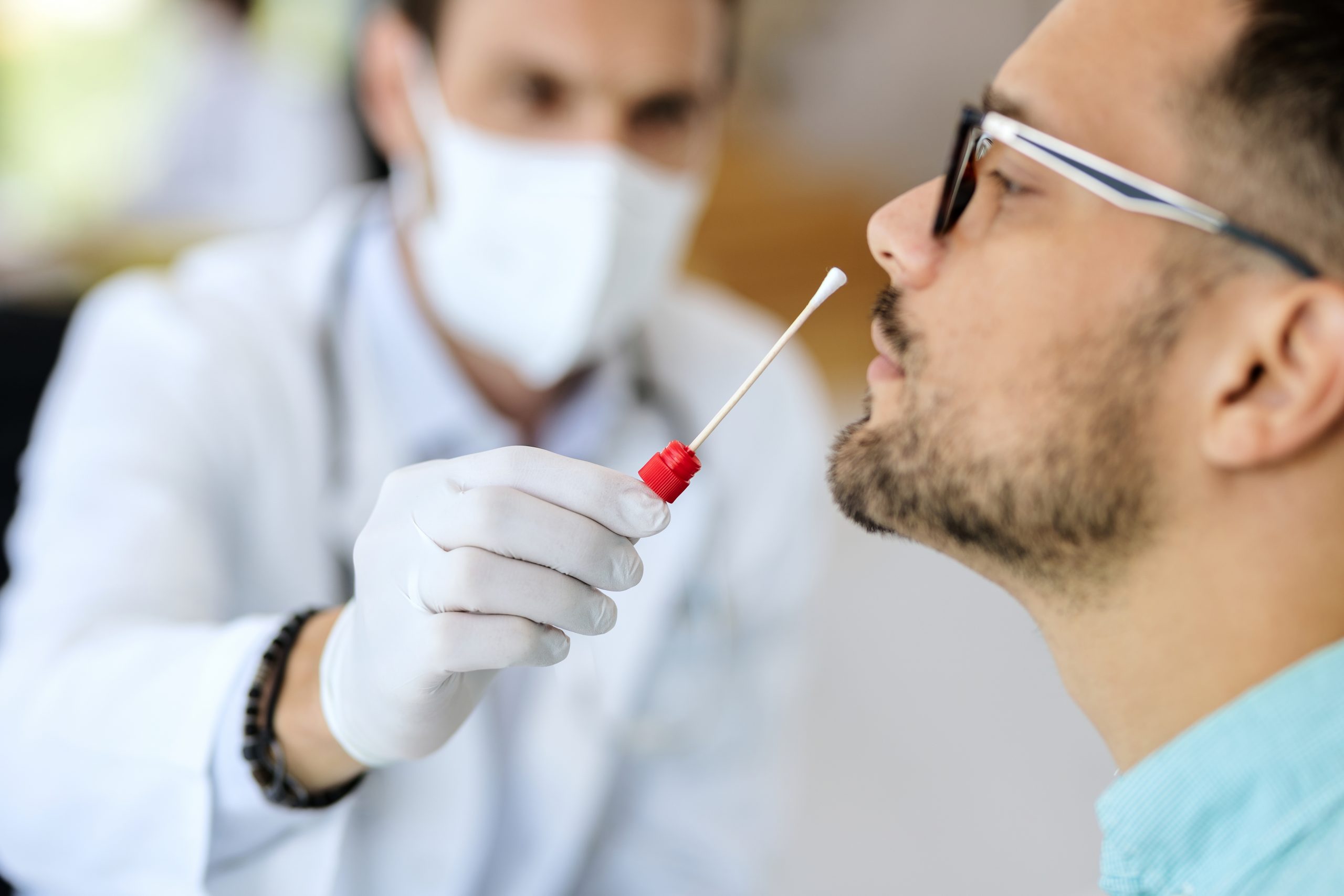
Image by Drazen Zigic on Freepik

Berlin scientists have produced a live SARS-CoV-2 vaccination after successfully testing a nasal vaccine against coronavirus in animals just a few months ago. The vaccination, which is injected by the nose, has been made safer by researchers at Freie Universität Berlin. The findings of their investigation on the modified form of the live vaccine were published in the journal Molecular Therapy.
In early April 2023, a team of scientists from multiple Berlin research institutions published in the journal Nature Microbiology a live SARS-CoV-2 vaccination with higher efficacy compared to intramuscularly injected vaccines. In preclinical testing, this vaccine, delivered by the nose, produced stronger immunity at the mucosal membranes of the respiratory tract than previously utilized intramuscular vaccines.
The nasal vaccination disclosed in Nature Microbiology is referred to as a live-attenuated vaccine. The SARS-CoV-2 virus was changed in such a way that it no longer causes disease while still being capable of penetrating cells in the body and eliciting an efficient immune response. The use of live vaccinations, such as this one, requires extreme caution. The original formulation of the medication might still be transmitted through close contact between experimental animals.
In the journal Molecular Therapy, the researchers have now published a modified version of the vaccination. This vaccine version is no longer transmissible due to a targeted modification in the virus’s spike protein, yet it still has the same effectiveness. This breakthrough leads scientists to believe that when used in people, a vaccinated individual cannot transfer the vaccine to an unvaccinated person, even when they are in close proximity.
A non-transmissible vaccine virus could prevent unintentional spread of the vaccine in a population,” says Dr. Jakob Trimpert, veterinarian and working group leader at the Institute of Virology at Freie Universität Berlin. Beyond the question of contagion, the current publication also sheds light on other essential aspects of the vaccine’s safety.
The safety and efficacy of the live vaccination created at Freie Universität Berlin, which has now been established in multiple experiments, gives cause to believe that the upcoming clinical trials in people will yield positive results. Freie Universität Berlin is collaborating closely with the Swiss company Rocketvax AG, a subsidiary of Swiss Rockets AG, to carry out these experiments.
Dr. Vladimir Cmiljanovic, CEO of RocketVax, stated, “The results of these studies have important implications for the development of a highly safe and effective nasal vaccine against coronavirus. The modified version of the vaccine presented in the journal Molecular Therapy eliminates the problem of unintended spread and represents a significant advance in vaccine safety.”
“This breakthrough brings us closer to the successful introduction of this live-attenuated vaccine in upcoming clinical trials and gives us hope for comprehensive protection against COVID-19.”

 Coffee and Gut Microbiome: Brewing and Metabolic Effects
Key Points Coffee contains caffeine, chlorogenic.
 Low-Dose Radiation Therapy Shows Promise in Early Knee OA
Key Points Low-dose radiation therapy was.
 Oral Hormone Replacement Therapy Raises Blood Clot Risk
Key Points Oral hormone replacement therapy.
 GLP-1 Health Information: Quality, Completeness, & Engagement
Key Points A study assessed 128.
 DNA Damage Response May Drive Biological Aging
Key Points Chronic DNA damage response.
 Maternal Diet Fails to Reduce Infant Egg and Peanut Allergy
Key Points A large Australian randomized.
 Psychedelic-Assisted Psychotherapy: Music in Treatment
Key Takeaways Psychedelic-assisted psychotherapy combines psychedelic.
 Cardiovascular Frailty Links Heart Health and Aging
Key Points Cardiovascular frailty may connect.
 Laser Blended Vision: Simple Test Predicts Success
Key Points A simple phoropter-based test.
 Pink Noise Boosts Brain Waste Clearance During Sleep
Key Points Pink noise delivered during.
Leave a Comment