Image by Freepik

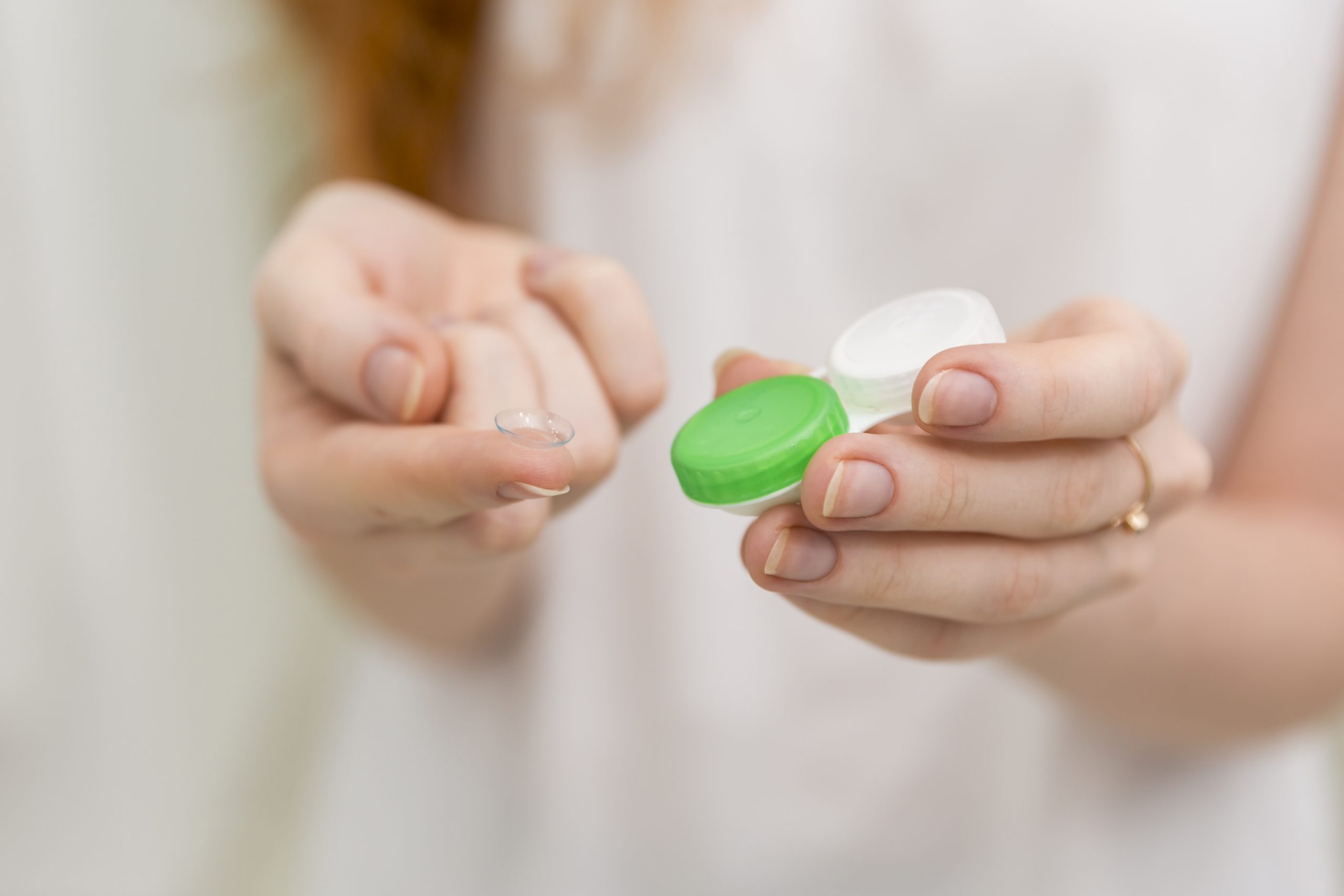
Millions of people wear contact lenses, including reusable ones, all around the world. However, these plastic lenses do not endure forever and must be replaced every few days, weeks, or months. Researchers have devised a way to examine minute particles in small samples and discovered that lenses exposed to sunlight over time can shed microscopic fragments of plastic, however the health impact is unknown.
Though scientists are currently wrestling with the health and environmental implications of microplastics, it is critical to understand where they can appear and what systems they may affect. Researchers typically filter plastic bits from significant volumes of collected water when evaluating aquatic microplastic pollution.
The fragments are then manually counted using a microscope, which is a slow and inconsistent procedure. Although more automated solutions have been developed, the procedures continue to be time demanding. So Bing Wu and colleagues set out to create an automated system for detecting and counting microplastic particles in tiny samples like contact lenses.
The researchers collected six different types of contact lenses from diverse brands and with varying lifespans. To simulate regular wear and care, the lenses were stored in water, placed under a lamp that resembled sunlight, and cleaned three times every ten hours. The water in which each lens was stored was tested after it had received the equivalent of 30 or 90 days of sunlight.
To count the microplastics in the small samples, the researchers created an automated system that captured microscopic photos of the samples, analyzed those images, and counted the quantity of microplastics present.
The scientists discovered that in experiments using standard levels of microplastics, the new system’s assessments were faster and more accurate than when the samples were evaluated manually. No microplastics were found in the absence of simulated sunshine. However, when the contact lenses were exposed to the equivalent of 90 days of sunlight, the researchers noticed an increase. After this exposure, the lenses with the shortest lives lost the most microplastics.
Based on their findings in this small-scale investigation, the researchers estimate that some lenses might shed more than 90,000 microplastic particles each year if worn for 10 hours every day. The human health consequences of direct microplastics exposure to the eyes is unknown at this time, but the researchers say their findings indicate that more research in this area is urgently needed.

 Gamma Oscillations Restored in Alzheimer’s Disease Mice
Key takeaways Researchers restored parvalbumin (PV).
 Coffee Consumption Linked to Lower Recurrent VTE Risk
Key points at a glance Study.
 Body Roundness Index Linked to Higher Heart Attack Risk
Key findings at a glance Study.
 Maternal Diet Fails to Reduce Infant Egg and Peanut Allergy
Key Points A large Australian randomized.
 Visual Impairment Linked to Higher Dementia Risk
Key findings at a glance A.
 Long-Acting HIV Treatment May Help Drug-Resistant Cases
Key Takeaways A UCSF study found.
 Night Shift Work Alters Key Circadian Gene Expression
A recent study published in Frontiers.
 Tirzepatide Weight Loss: Fat Mass and Muscle Findings
Key points Tirzepatide was associated with.
 Coffee and Gut Microbiome: Brewing and Metabolic Effects
Key Points Coffee contains caffeine, chlorogenic.
 Low-Dose Radiation Therapy Shows Promise in Early Knee OA
Key Points Low-dose radiation therapy was.
Leave a Comment