
Study: Hijacking of nucleotide biosynthesis and deamidation-mediated glycolysis by an oncogenic herpesvirus.

Northwestern Medicine researchers have discovered a previously unknown regulator of tumor immune evasion, which may help improve the efficacy of present and future anti-tumor immunotherapies, according to new research published in the Journal of Clinical Investigation.
“The study provides a molecular insight into understanding why some cancer patients cannot be treated by checkpoint blockade antitumor therapy, but others can,” said Deyu Fang, Ph.D., the Hosmer Allen Johnson Professor of Pathology and senior author of the paper.
Antitumor immunotherapy is a type of cancer treatment that uses the immune system to combat cancer. It comprises a variety of therapies, including immune checkpoint inhibitors. Immune checkpoints prevent the immune system from becoming overly powerful and eliminating other cells, particularly cancer cells.
By targeting these checkpoints with checkpoint inhibitor medicines, the immune system can better respond to and combat cancer cells. However, not all individuals will respond successfully to immunotherapy, and the fundamental cause has remained unknown.
“The big question is whether we can find a better approach to make this therapy work for all patients,” Fang said in a statement.
PD-L1, a common immune checkpoint protein targeted by anti-tumor immunotherapy medications, is expressed on the surface of immune cells and is also elevated on the surface of some cancer cells, allowing them to elude the immune system.
Fang believes that discovering novel regulators of PD-L1 expression in tumors may improve the efficacy of anticancer immunotherapies.
Fang’s team created a CRISPR-based screening tool to examine the whole family of deubiquitination genes in both mice and human PD-L1 lung cancer cell lines. Using this method, the researchers discovered that the ATXN3 gene enhances tumor immune evasion by upregulating PD-L1 expression in tumor cells at the transcription level.
Additional investigation using The Cancer Genome Atlas database indicated a strong link between the genes ATXN3 and CD274, which encodes PD-L1, in more than 80% of human malignancies. Notably, ATXN3 was found to be significantly linked with PD-L1 expression and transcription factors in lung adenocarcinoma, the most frequent kind of non-small cell lung cancer, as well as melanoma.
“Because ATNX3 promotes PD-L1 expression, we hypothesized that ATXN3 suppression could improve antitumor immunity in vivo,” said Fang, who also works at Northwestern University’s Robert H. Lurie Comprehensive Cancer Center.
Using CRISPR and other targeted gene expression approaches to knock out ATXN3 in animal models of PD-L1 lung cancer, the researchers discovered that suppressing ATXN3 increased antitumor immunity in the mice and the efficacy of PD-1 antibody therapy.
The data indicate that ATXN3 is a positive regulator of PD-L1 tumor expression and immune evasion. According to Fang, the data also indicate that selectively targeting ATXN3 may improve the efficiency of anticancer immunotherapies while reducing toxicity and unpleasant side effects in all patients.
“If we combine an ATXN3 inhibitor and the current anti-tumor immunotherapy, we can improve the therapeutic efficacy and reduce the amount of antibody needed, meaning reduce the side effects,” Fang said in a statement.
For more information: CRISPR screening identifies the deubiquitylase ATXN3 as a PD-L1–positive regulator for tumor immune evasion, https://dx.doi.org/10.1172/JCI167728

 Brain-Computer Interface Uses EEG in Unresponsive Patients
Key findings at a glance Mind-controlled.
 Gamma Oscillations Restored in Alzheimer’s Disease Mice
Key takeaways Researchers restored parvalbumin (PV).
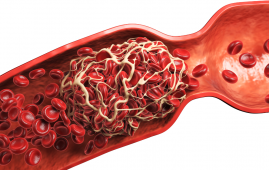 Coffee Consumption Linked to Lower Recurrent VTE Risk
Key points at a glance Study.
 Body Roundness Index Linked to Higher Heart Attack Risk
Key findings at a glance Study.
 Maternal Diet Fails to Reduce Infant Egg and Peanut Allergy
Key Points A large Australian randomized.
 Visual Impairment Linked to Higher Dementia Risk
Key findings at a glance A.
 Long-Acting HIV Treatment May Help Drug-Resistant Cases
Key Takeaways A UCSF study found.
 Night Shift Work Alters Key Circadian Gene Expression
A recent study published in Frontiers.
 Tirzepatide Weight Loss: Fat Mass and Muscle Findings
Key points Tirzepatide was associated with.
 Coffee and Gut Microbiome: Brewing and Metabolic Effects
Key Points Coffee contains caffeine, chlorogenic.
Leave a Comment